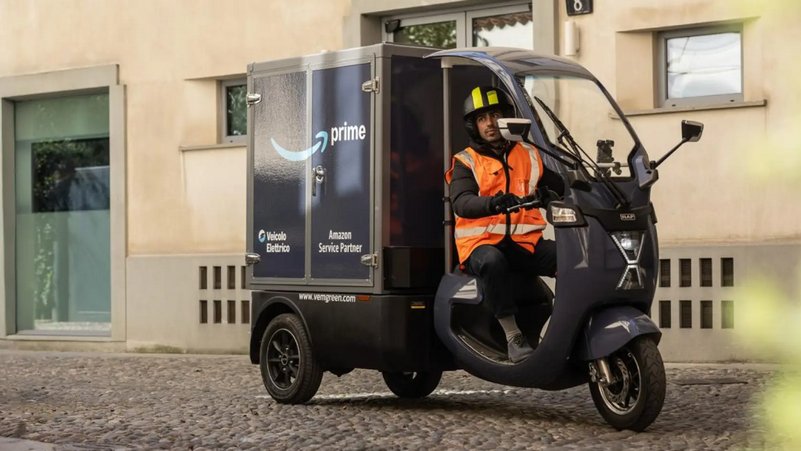









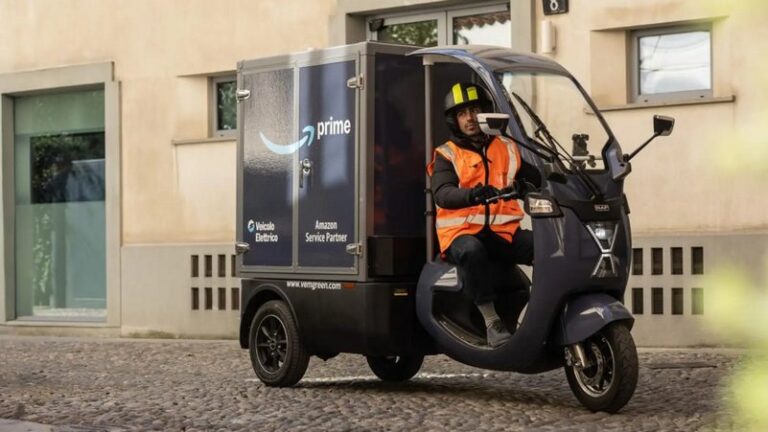
Amazon has opened six new micromobility hubs in Cagliari, Lecce, Lucca, Palermo, Salerno and Terni, bringing the number of Italian cities equipped with these facilities to 14. The other eight are Milan, Genoa, Bologna, Naples, Rome, Trento, Florence and Verona. In all these locations, the company can now make deliveries using electric scooters, including in restricted traffic zones. Amazon has also extended same-day deliveries using small electric vehicles to Verona and Bologna, joining Milan, Rome and Genoa, where the service was already available. Across Europe, the network comprises more than 70 hubs in over 50 cities and has completed 100 million deliveries over the past five years using electric cargo bikes, electric scooters and handcarts.
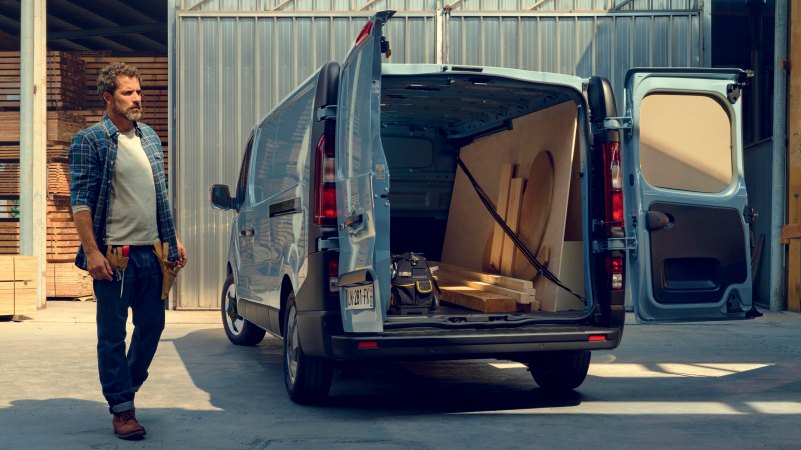
In 2025, delivery service providers transported 265 million parcels across Europe using electric vans, cargo bikes and scooters, including more than 20 million in Italy. During the same year, Amazon ordered nearly 5,000 Mercedes-Benz electric vans for the European market, 500 of which were destined for Italy. By the end of 2025, the company was operating more than 10,000 electric vans across Europe and 50,000 worldwide, with a target of reaching 100,000 by 2030.
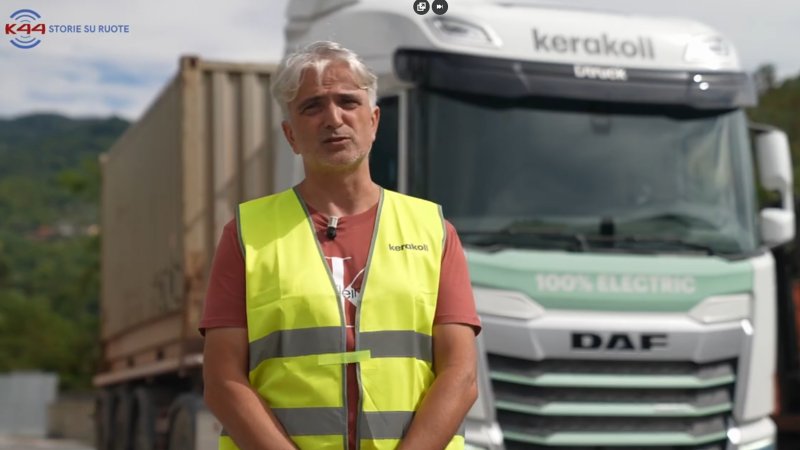
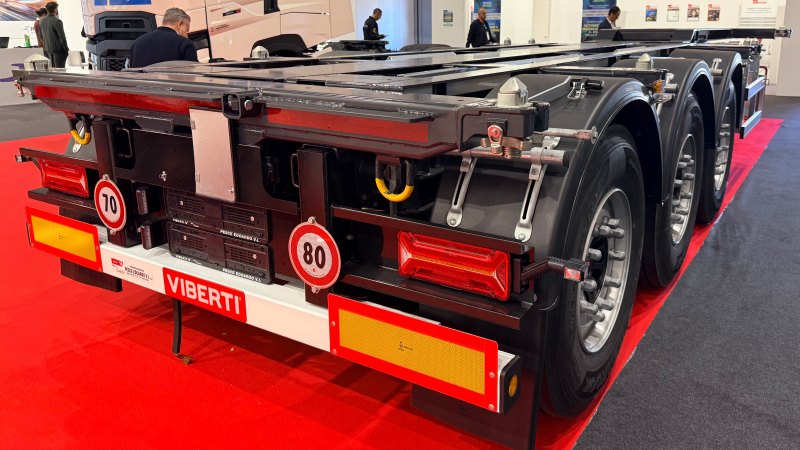
For long-distance transport, Amazon believes that fragmented transport systems and insufficient charging infrastructure for heavy goods vehicles along Europe's main corridors are undermining the European Union's competitiveness. To assess the situation, the company supported an Italian study entitled "Electrifying heavy-duty freight transport as a lever for competitiveness, decarbonisation and growth", carried out by The European House-Ambrosetti (Teha). Under the scenario developed by Teha, a more favourable operating environment could increase Italy's electric heavy goods vehicle fleet thirteenfold in four years, from 227 vehicles in 2026 to almost 3,000 in 2030. The study identifies several measures that need strengthening: CO2-based differentiated road tolls, purchase incentives, competitive electricity prices and an adequate charging network.
Regarding infrastructure, the study finds that European countries with the largest electric heavy goods vehicle fleets have expanded their charging networks alongside vehicle deployment. During the initial phase, temporary public risk-sharing mechanisms could help reduce investment risks until demand reaches critical mass. According to Teha, by strengthening its pipeline of projects and investment framework, Italy could secure a larger share of future European Alternative Fuels Infrastructure Facility (Afif) funding, already available for high-power charging infrastructure. Of the €554.2 million allocated to heavy goods vehicle projects in 2024-2025, Italy received just €2.9 million.