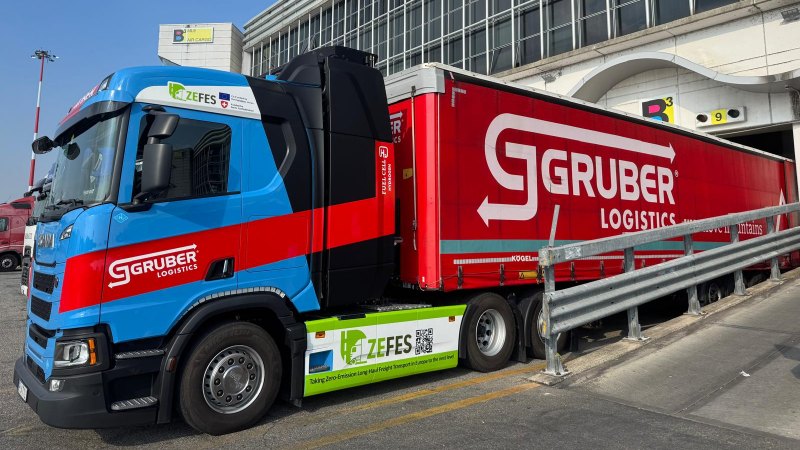


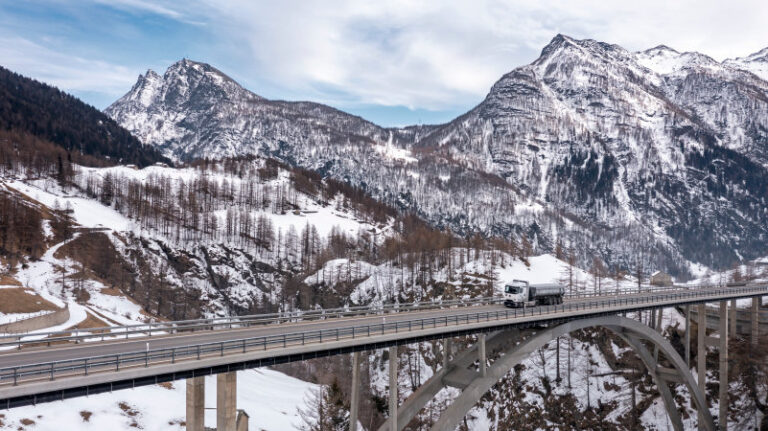
In the final vote on 2 October 2026, the National Council and Council of States of the Swiss Confederation approved the partial revision of the Heavy Vehicle Traffic Act (Schwerverkehrsabgabegesetz or SVAG), maintaining the exemption from the performance-related heavy vehicle charge, known by its German acronym LSVA, for electric and hydrogen commercial vehicles until 31 December 2030. The charge applies to commercial vehicles with a gross weight of more than 3.5 tonnes using the Swiss road network and is calculated according to distance travelled, permitted gross weight and emissions class. From 2031, electric vehicles will also become liable for the charge, although discounts of at least 70% will apply in 2031 and 50% in 2032. Zero-emission commercial vehicles whose gross weight does not exceed 4.25 tonnes as a result of the additional battery weight will remain exempt. In Switzerland, however, legislation does not enter into force simply upon the final parliamentary vote: a 100-day period follows during which 50,000 signatures can trigger an optional referendum.
In its message of 28 May 2025, the Federal Council proposed bringing electric vehicles within the charging system from 2029, with temporary discounts until 2035 and discretion over whether to grant them. The National Council approved the revision on 9 March 2026 by 131 votes to 60, with the Social Democratic Party and the Greens voting against. It postponed the start of charging until 2031 and made the discounts mandatory. The Council of States approved the measure on 3 June by 35 votes to eight, endorsing the same start date and the 70% and 50% discount thresholds.
For diesel vehicles, the new system retains three tariff categories linked to Euro emissions standards. These will be set by the Federal Council, while any change in the Euro-standard classification used for tariff purposes will have to be announced seven years before taking effect. Parliament rejected LSVA reductions as an incentive for alternative fuels because of the difficulty of verifying which fuel is actually in a vehicle’s tank, since the latest commercial vehicles can run on both fossil diesel and biofuels. The mechanism allowing rates to be adjusted in response to rising costs remains unchanged: the Federal Council may increase them at regular intervals, but there will be no automatic indexation and each increase will require a separate decision. On 3 June, the Council of States also rejected a motion seeking to raise the LSVA to the maximum level permitted under the land transport agreement with the EU, after the minority of the competent committee withdrew its proposal to support the motion.
The LSVA has been levied since 2001. In 2024, it generated around CHF1.8 billion, or approximately €1.9 billion, with two-thirds going to the Confederation, mainly to the railway infrastructure fund, and one-third to the cantons. The Federal Council gives two reasons for the revision: the first is declining revenue, caused by the spread of lower-emission vehicles – around 90% are estimated to fall into the most favourable tariff category – and the exemption for electric vehicles; the second is the constitutional objective of shifting freight from road to rail. Electric commercial vehicles reached a market share of almost 21% in Switzerland in 2025, rising to 26% of new registrations in the first half of 2026 for vehicles with a gross weight above 16 tonnes, according to ACEA data. An electric vehicle costs between CHF300,000 and CHF400,000 in Switzerland, around €325,000 to €430,000, or about two and a half times as much as a diesel vehicle. According to the road haulage association Astag, investment in electric vehicles and charging infrastructure would not be economically viable without the LSVA exemption.
P.R.