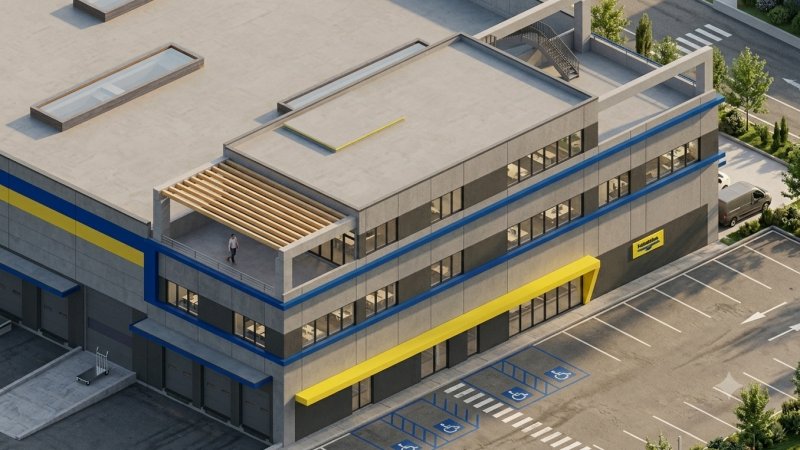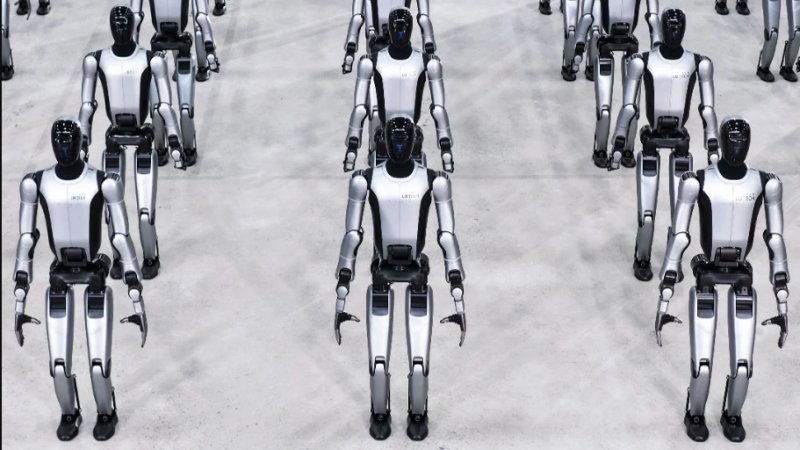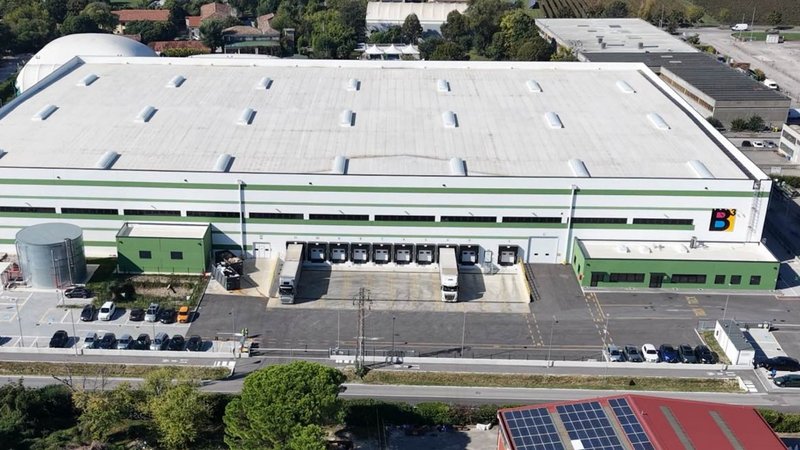








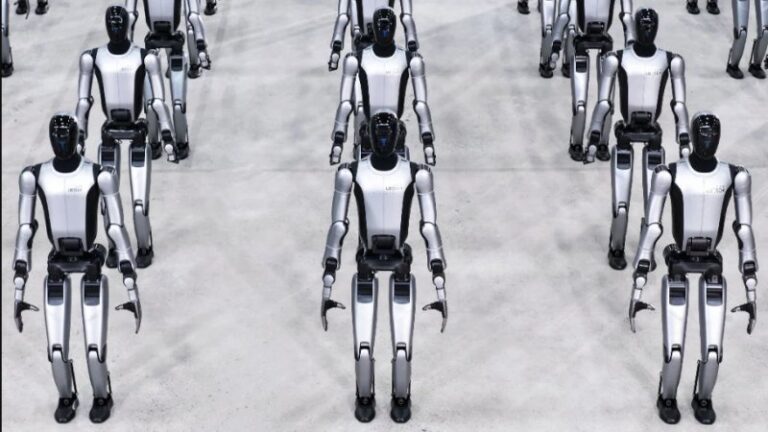
Ubtech Robotics, a Chinese humanoid robotics company based in Shenzhen, has started production at its new facility in Liuzhou, in the Guangxi autonomous region, for the mass production of humanoid robots for industrial and logistics applications. Covering 14,000 square metres, the plant is designed to produce more than 10,000 units a year, with a stated production rate of one completed robot every ten minutes. Unlike conventional automotive conveyor-belt assembly lines, the facility can manufacture different models: bipedal robots from the Walker S family, including the latest Walker S2, and the Cruzr S2 and Cruzr Y1 wheeled platforms. The building has a clear internal height of 13.8 metres and houses a 65-square-metre automated vertical storage system capable of holding up to 112 completed units awaiting dispatch.
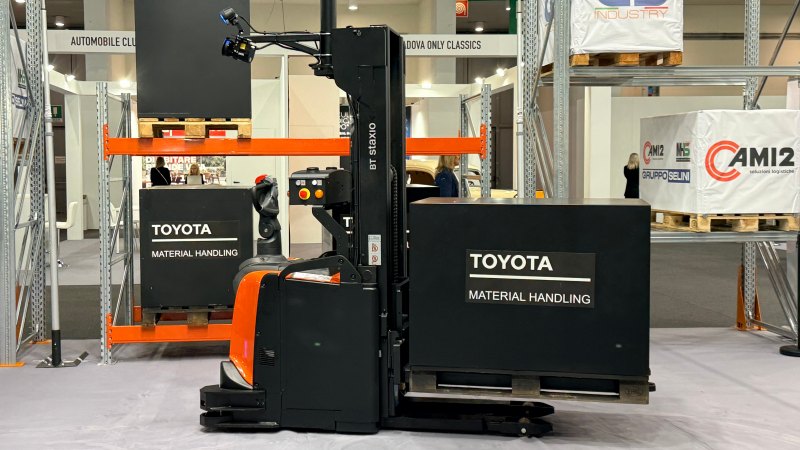
Each unit requires more than 2,000 screws in 50 different specifications. Automated screwdriving stations monitor tightening torque and depth in real time, while RFID tags link each component's serial number to its production batch. Before leaving the assembly line, every robot undergoes more than four hours of continuous testing of its actuators, walking balance and load-bearing capacity, followed by a multi-angle visual inspection tunnel based on automotive industry standards. Other robots supply the assembly stations: mobile Cruzr manipulators equipped with three-dimensional vision systems handle component movements, supported by automated guided vehicles, autonomous forklifts known as Wali and Chitu driverless transport vehicles. Xinhua describes the approach as "building robots with robots". Before construction began, Ubtech and Siemens Digital Industries Software created a digital twin of the entire plant using Plant Simulation software to establish whether the ten-minute production cycle could be maintained without bottlenecks in internal logistics.
In the first half of 2026, revenue from Ubtech's full-size humanoid robot segment rose by 1,445%, supported by deliveries of 921 Walker S bipedal robots. Since the beginning of 2025, orders for the Walker series have exceeded 800 million yuan (around €103 million), including a record order worth 250 million yuan (around €32 million) in September and a 159 million yuan (around €20 million) contract for a data collection centre in Zigong. Customers include BYD, Dongfeng Liuzhou Motor, Geely, FAW-Volkswagen Qingdao, Audi FAW, BAIC New Energy, Foxconn and SF Express. The company aims to reduce production costs by 20–30% a year, with the goal of bringing the cost per unit below $20,000 (around €17,300) by 2030, relying on a supply chain that is more than 90% based in China.