





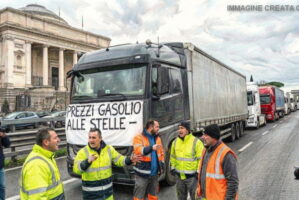

Friday 30 October is expected to be a difficult day for transport and logistics in Italy, with a nationwide strike called by the Unione Sindacale di Base (USB) and separate action by other grassroots trade unions. The Italian Transport Ministry's strike calendar, updated on 21 October, lists several other stoppages covering different sectors and operating under different arrangements. ADL-Cobas, CLAP, SIAL-Cobas and Cobas, joined by Cobas Lavoro Privato, have called a general strike from 12.01am to 11.59pm. USI-CIT has announced an all-day strike excluding, among others, the rail and maritime sectors. SI Cobas, meanwhile, is listed among the unions calling a general strike on 4 December, but not among those organising the 30 October stoppage.
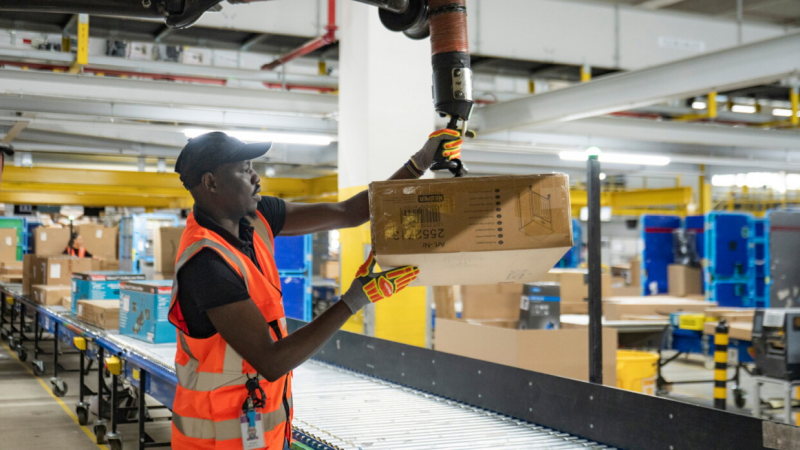
For freight transport and logistics, USB's strike notice covers the whole of 30 October, with arrangements for warehouse and delivery workers to be determined by local and sectoral union branches. Railway workers will strike from 9pm on 29 October until 8.59pm on 30 October, while motorway workers will begin their stoppage at 10pm on 29 October. The union's notice states that minimum essential services will be maintained. USB is demanding structural measures to control and cap energy, fuel and food prices, the removal of VAT on essential goods and lower fuel excise duties. On pay, it is calling for wages and pensions to be automatically adjusted to the cost of living, independently of collective bargaining renewals, using an index that includes imported energy products. It is also demanding pay rises based on a minimum contractual wage of at least €2,000, equivalent to €12 an hour. The union also wants to prevent further changes to the public pension system and the retirement age.
For dockworkers, the economic demands are accompanied by opposition to rearmament programmes and the militarisation of infrastructure. USB is calling for Italian and European rearmament plans to be halted and the funds redirected towards public services. It also wants an embargo on arms and dual-use goods destined for Israel, compliance with Italian Law 185/1990, and an end to what it describes as the European-approved plan to militarise ports and strategic infrastructure, including the associated automation processes. Other demands include regularising the status of foreign workers and opposing measures that restrict the right to protest. Against this background, 30 October will mark the second international day of action by dockworkers, following the first on 6 February. The initiative stems from the third international meeting of dockworkers' unions, held in Istanbul on 18 and 19 May and hosted by the Turkish union Liman-İş, with participation from France's CGT Ports and Docks, Greece's ENEDEP, the Basque union LAB and Morocco's ODT. The meeting led to the creation of a network which USB says now extends to more than 40 ports across the Mediterranean and Europe, under the slogan "Dockworkers do not work for war".
On 15 October in Rome, the international coalition Ports In Action presented a map of international participation. Eight Italian ports could be involved: Ancona, Civitavecchia, Genoa, Gioia Tauro, Livorno, Ravenna, Salerno and Trieste. International participation could extend to more than 50 sites, including ports in France and India and terminals in Cyprus, Ireland, Morocco, Mexico, the Basque Country, Greece and Turkey. The unions say they represent more than 40% of the workforce at Mediterranean container terminals, accounting for a combined throughput of around three million TEU.
Antonio Illariuzzi