


Array ( [0] => 8 [1] => 39 )

Podcast K44

Cronaca

  • Camionista spara a un collega con pistola scacciacani

    Camionista spara a un collega con pistola scacciacani

    Un camionista di 42 anni è stato denunciato dalla Polizia Stradale di Modena per minaccia aggravata dopo aver esploso un colpo con una pistola scacciacani contro un collega lungo l'A1, al culmine di una lite tra autotrasportatori nei pressi di Modena Nord.

Transpotalk

Normativa

Mare

  • Fratelli Neri assume il controllo del terminal livornese Tml

    Fratelli Neri assume il controllo del terminal livornese Tml

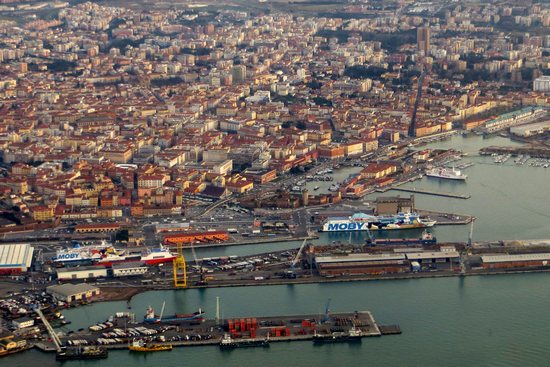
    Fratelli Neri rileva, con la controllata Cilp, il 66,67% di Terminal Marittimo Livorno, la società che gestisce la Darsena Uno per conto del gruppo Moby. L'Antitrust non ha ravvisato obbligo di notifica preventiva, mentre resta aperto il nodo della futura concessione pluriennale delle aree.

Autotrasporto

  • Camion fermi allo Stretto di Messina sono un disagio cronico

    Camion fermi allo Stretto di Messina sono un disagio cronico

    La Lega Autisti Autotrasportatori Indipendenti Siciliani Nazionale denuncia attese fino a sei ore per l'imbarco a Tremestieri e al Porto Storico di Messina durante l'esodo estivo. Non è un caso isolato: il problema si trascina da anni, tra proteste, esposti e promesse rimaste in gran parte sulla carta.

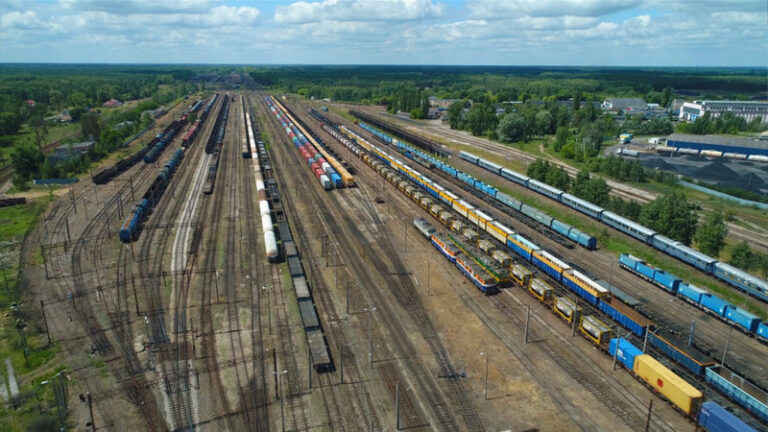
    Poland invests €150 billion in railways but not in freight

    Foto: Cargotor

    Poland is preparing to launch its most ambitious rail network expansion programme, perhaps the most significant since the post-war reconstructions. Two figures alone show the scale of the investment: 4,700 kilometres of new tracks will be built, with financial commitments likely to range between €140 billion and €150 billion. The plan, known as “Integrated rail network”, is a multi-year and therefore long-term programme, but the aim is to complete and open the first 1,000 kilometres of new railways by 2035.

    But there is no shortage of surprises, and they are prompting debate, because a detailed reading of the documents shows that freight transport has effectively been excluded from the vast rail infrastructure plan. The programme focuses on the construction of 19 new main lines that will connect all the various Polish regions, and of the total 4,700 kilometres, 2,700 will consist of high-speed lines for passenger traffic.

    According to available information, there are no specific indications for investment in and strengthening of freight services. Pursuing the goal of speeding up passenger transport at all costs may carry the risk of investing substantial resources to bring high-speed rail to sparsely populated areas merely to connect two locations of some interest point to point. Conversely, some of the country’s most industrialised areas would be left out of the new connections, perhaps because potential demand for fast passenger services is limited. There is, however, one consideration to be made: if passenger traffic is concentrated mainly on the new high-speed lines, the historic rail network will have more paths available for all other types of trains, including not only regional services but also freight trains, bringing an indirect but far from insignificant benefit.

    The “Integrated rail network” plan, according to some operators, was drawn up without preliminary consultation with the freight transport sector and even without the involvement of the Polish regions concerned, making it, in a sense, a top-down plan. All this comes as Poland increasingly appears to be a rail crossroads towards Ukraine to the east and the Baltic Republics to the north. In particular, it is set to become the terminus of Rail Baltica, the new 950-kilometre standard-gauge European rail corridor that will connect Tallinn in Estonia with the Polish hub of Warsaw.

    Almost against the trend of the limited interest in freight services that characterises Poland’s new investment plan, the national railway company PKP launched, at the beginning of 2025, the modernisation and double-tracking of the railway running from the Białystok hub, the largest city in north-eastern Poland, just over 40 kilometres as the crow flies from the border with Belarus, northwards to Ełk, around 70 kilometres from Lithuania. The rail corridor involved in the upgrade and redevelopment project is about 100 kilometres long. Investments of more than €1.4 billion are planned, co-financed by the European Union, as the section also forms part of the north-south international corridor included in the Rail Baltica project. North of Ełk lies the Kaunas hub, which provides the connection with Lithuania’s railways and therefore with Rail Baltica; for this reason, conversion to European standard gauge is under way.

    Piermario Curti Sacchi

    © TrasportoEuropa - Riproduzione riservata - Foto di repertorio
    Segnalazioni, informazioni, comunicati, nonché rettifiche o precisazioni sugli articoli pubblicati vanno inviate a: redazione@trasportoeuropa.it


      Puoi commentare questo articolo nella pagina Facebook di TrasportoEuropa

      bottone newsletter piccolo Vuoi rimanere aggiornato sulle ultime novità sul trasporto e la logistica e non perderti neanche una notizia di TrasportoEuropa? Iscriviti alla nostra Newsletter con l'elenco ed i link di tutti gli articoli pubblicati nei giorni precedenti l'invio. Gratuita e NO SPAM!


    CONTENUTI SPONSORIZZATI


Videocast K44

Aereo

  • Rallenta la crescita a luglio 2026 dei noli aerei

    Rallenta la crescita a luglio 2026 dei noli aerei

    I noli spot del trasporto aereo delle merci sono saliti del 28% su base annua a luglio, a 3,12 dollari per kg, ma il ritmo di crescita rallenta per il secondo mese consecutivo. Secondo Xeneta il mercato affronta una seconda metà del 2026 più debole, con pochi segnali di stagione …
Ferrovia

Persone

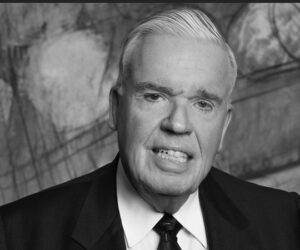
  • Morto il re della logistica Klaus-Michael Kühne

    Morto il re della logistica Klaus-Michael Kühne

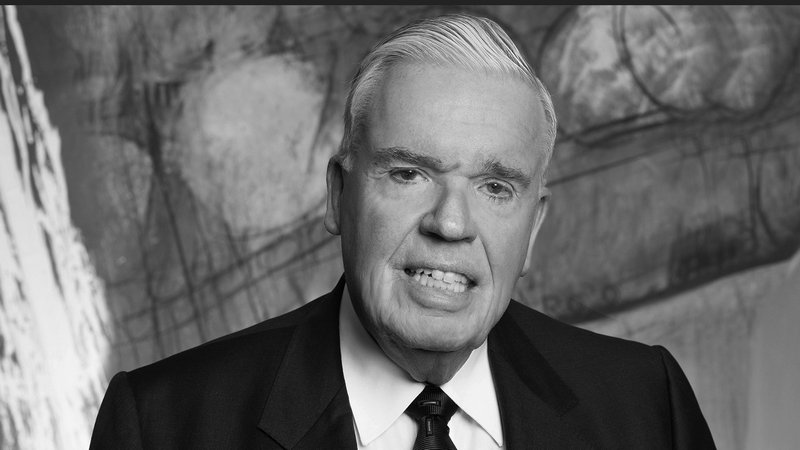
    Il 24 agosto 2026 è morto a 89 anni Klaus-Michael Kühne, uno degli uomini più potenti della logistica europea. Senza figli, aveva destinato l'intero patrimonio imprenditoriale alla Kühne Foundation, che attraverso Kühne Holding controlla il 60,1% di Kühne+Nagel, il 30% di Hapag-Lloyd e oltre il 20% di Lufthansa.
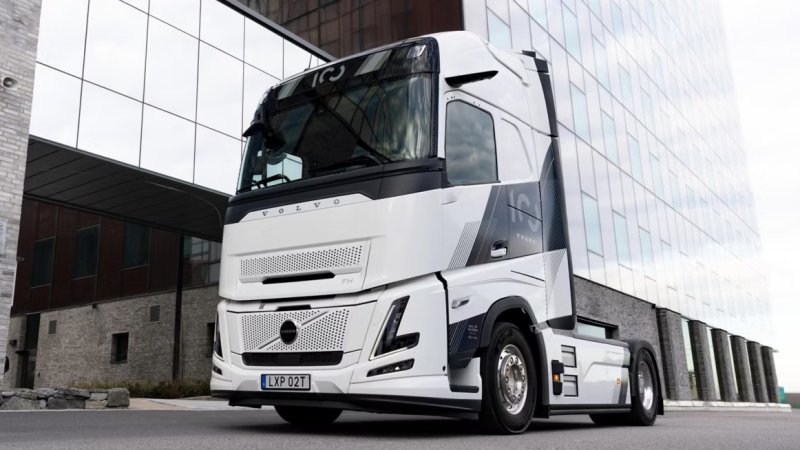
Un Volvo FH speciale per i cent’anni della Casa svedese

TECNICA

Un Volvo FH speciale per i cent’anni della Casa svedese
previous arrow
next arrow
Morto il re della logistica Klaus-Michael Kühne

LOGISTICA

Morto il re della logistica Klaus-Michael Kühne
previous arrow
next arrow
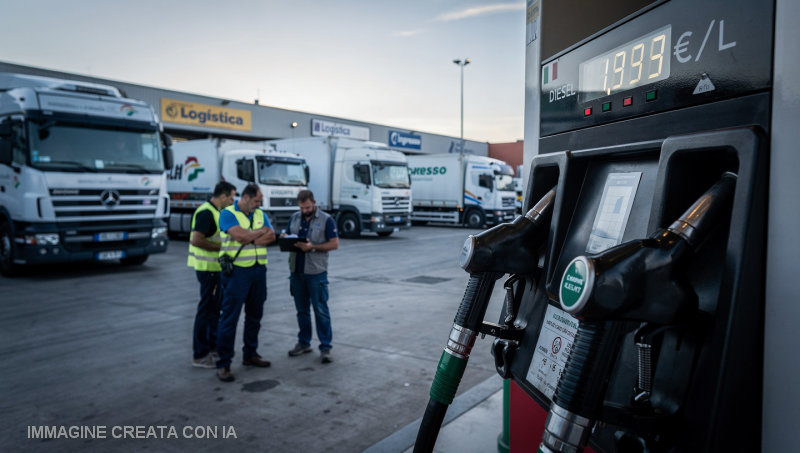
Operazioni estive della Finanza contro frodi al gasolio

ENERGIE

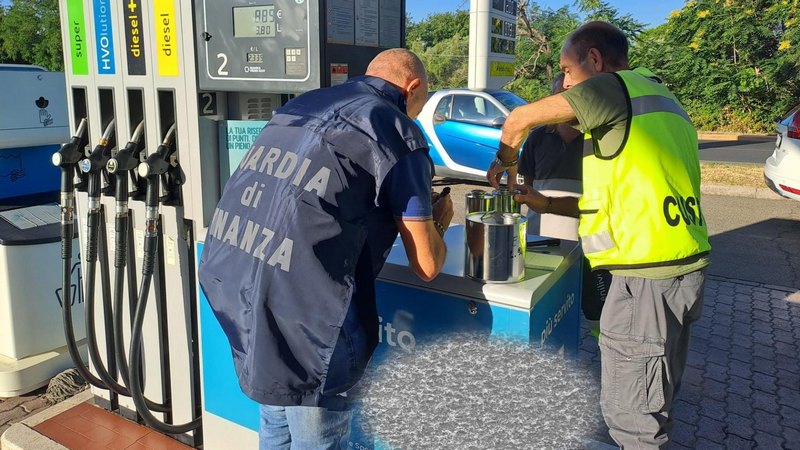
Operazioni estive della Finanza contro frodi al gasolio
previous arrow
next arrow
Un agente IA di Trimble dedicato alla logistica

SERVIZI

Un agente IA di Trimble dedicato alla logistica
previous arrow
next arrow