






Rhenus expands warehouse automation in Poland
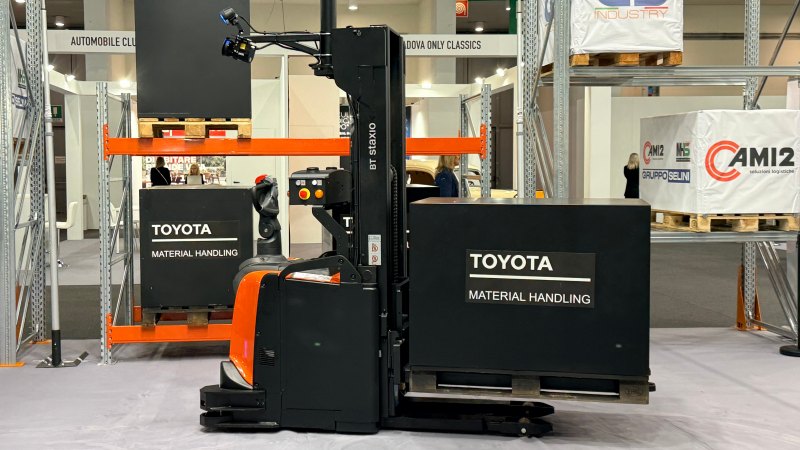
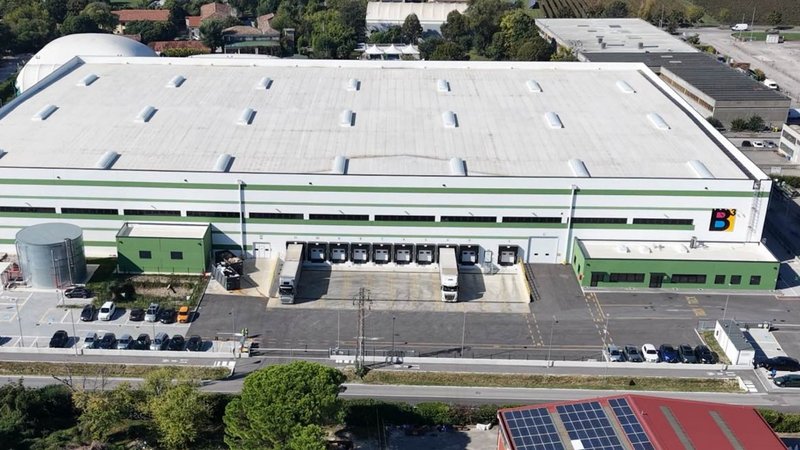
Rhenus Warehousing Solutions inaugurated an automated AutoStore system at its logistics centre in Bolesławiec, Poland, on 22 October 2026, designed to handle e-commerce orders. The installation is one of the largest in the country and the second-largest within the Rhenus Group. The system occupies 4,500 square metres within a 57,000-square-metre logistics facility and comprises nearly 140,000 bins, with a total storage capacity of 1.8 million items. More than 100 autonomous robots move goods across a grid structure, enabling over 38,000 bin presentations to workstations each day. The installation also uses the largest bins available for AutoStore technology, allowing it to handle relatively bulky products. The project, launched in late 2025, was completed in eight months by system integrator Element Logic. Installation work took place between March and July 2026, followed by functional testing and adjustments to the warehouse management system. The investment forms part of Rhenus's European warehouse automation programme, which began with its first AutoStore installation in the Netherlands in 2018. The aim is to increase storage density, speed up order fulfilment and adapt operational capacity to growing e-commerce volumes.
Maersk acquires seven port terminals
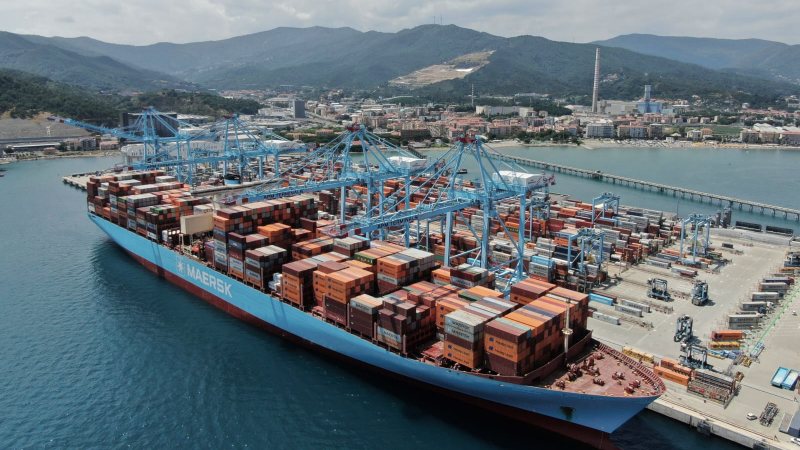
The AP Moller Maersk Group, through AP Moller Capital, has acquired 100% of Singapore-based port terminal operator Portek International from Mitsui. The transaction strengthens the Danish group's presence in transport and logistics infrastructure. Portek operates seven terminals across Algeria, Gabon, Indonesia, Latvia, Malta and Vietnam, employing approximately 1,400 people. The facilities handle around 7 million tonnes of bulk cargo, 700,000 containers and 90,000 vehicles annually. The company also provides port engineering, management and maintenance services, primarily through its operations in Singapore and Indonesia. The acquisition is part of AP Moller Capital's geographical diversification strategy. Established in 2017 within AP Moller Holding, the investment company initially focused on African infrastructure before expanding into South-East Asia in 2023 and subsequently into Europe, including through its investment in Bergé in 2025. Following completion of the transaction, AP Moller Capital will work alongside Portek's management and local operating teams to develop its port activities.
Ship collision in Bremerhaven
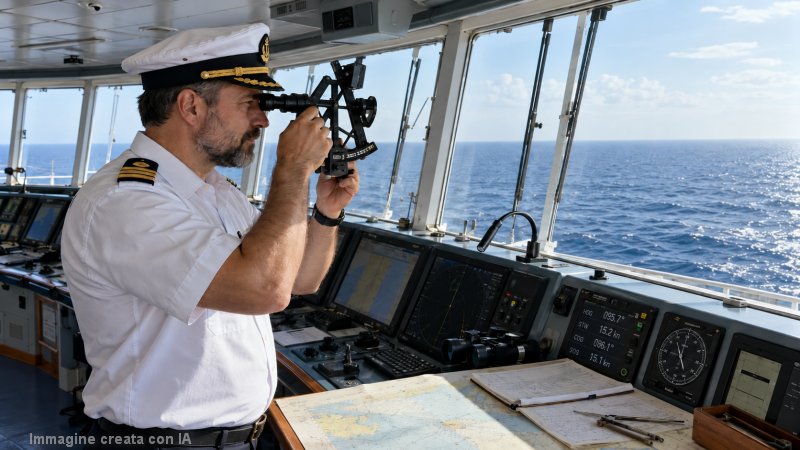
An MSC containership sustained serious hull damage at the German port of Bremerhaven after being struck by a cruise ship during a departure manoeuvre. The incident occurred on 25 October at around 5.30 pm, as strong winds associated with Storm Manja affected Germany's North Sea coast. The MSC Victorine, a 16,520 TEU containership built in 2023 and sailing under the Liberian flag, was berthed at the container terminal when its stern was struck by the Mein Schiff 3, a 99,526 GT cruise ship operated by TUI Cruises. The impact caused a tear approximately ten metres long in the hull, above the waterline, also damaging several containers and deck structures. Port authorities ruled out water ingress. The collision also damaged several lifeboats and their launching equipment aboard the cruise ship, as well as two tugboats involved in the manoeuvre. According to Bremen police, two containerships were involved, while TUI Cruises maintains that only one vessel was struck. The possible involvement of the MSC Anne F, berthed nearby, therefore remains unclear. The MSC Victorine, which was due to call at Hamburg next, remained in Bremerhaven. The Mein Schiff 3, carrying 2,428 passengers and 922 crew members, also returned to the terminal for technical inspections. No injuries were reported. Maritime police have launched an investigation to establish the cause of the collision and the full extent of the damage.
Geodis strengthens defence logistics
Geodis is expanding its logistics services for the defence sector in Poland after obtaining Internal Compliance Programmes (ICP) certification, enabling it to handle the transport of strategic goods and dual-use products intended for both civilian and military applications. The certification confirms that the company's procedures comply with security requirements and applicable national and European regulations governing the transport of goods, technologies and services subject to specific controls. The certificate was issued by CCJ, an accredited body operating at Poland's Military University of Technology. To obtain it, Geodis updated its internal procedures, carried out audits, trained staff and defined responsibilities within its compliance system, which will be subject to ongoing supervision and periodic assessments. The certification enables the logistics operator to serve customers requiring higher standards of supply chain security, information access controls and regulatory compliance. The initiative forms part of its strategy to develop specialised transport services in Poland, with particular emphasis on regulated sectors. However, Geodis has not announced any new defence logistics contracts, fleet investments or additional infrastructure linked to the certification.
Türasaş E5000 locomotive gains TSI certification
Turkish state-owned manufacturer Türasaş has obtained certification of compliance with the European Technical Specifications for Interoperability (TSI) for its E5000 electric mainline locomotive, designed and built in Turkey at its Eskişehir plant. The government in Ankara regards the certification as a prerequisite for offering the locomotive on European Union markets, although a further step is required: TSI compliance does not constitute authorisation to operate on European rail networks, which involves a separate procedure. At the time of the announcement, Türasaş had completed 30 E5000 locomotives under a programme covering 95 units, with series production continuing. The E5000 is a Bo-Bo electric locomotive designed for both freight and passenger services. It delivers 5,000 kW of power, has a maximum speed of 140 km/h and develops a starting tractive effort of 300 kN, with an axle load below 21.5 tonnes. It is designed for the standard 1,435 mm gauge, is equipped with European Train Control System (ETCS) Levels 1 and 2 and combines pneumatic and dynamic braking. It operates on a 25 kV, 50 Hz AC power supply. Headquartered in Ankara, Türasaş was established in 2020 through the merger of three state-owned companies: Tülomsaş, Tüdemsaş and Tüvasaş. The group has production facilities in Sivas, Eskişehir and Sakarya, but the E5000 is manufactured exclusively at Eskişehir. The TÜBİTAK RUTE research institute contributed to the programme by designing the traction motor and developing the locomotive's power electronics platform, which Ankara cites as the basis for describing the locomotive as domestically developed and manufactured.