




Array ( [0] => 8 [1] => 39 )

Podcast K44

Cronaca

  • Sequestrati in Sicilia due autocarri con targhe non proprie

    Sequestrati in Sicilia due autocarri con targhe non proprie

    La Sezione Polizia Stradale di Caltanissetta ha sequestrato due autocarri intestati a una ditta autotrasporto che erano privi di copertura assicurativa e con targhe riferite ad altri veicoli. Il secondo camion era stato inviato dall'impresa per trasbordare il carico del primo. Sanzioni per circa 8mila euro.

Transpotalk

Normativa

Mare

  • Le rotte europee spingono i noli container

    Le rotte europee spingono i noli container

    Il World Container Index di Drewry sale del 3% a 4.485 dollari per container da 40 piedi, trainato dall'Asia-Europa, dove i noli spot medi tornano a crescere dopo tredici settimane di calo. Sul transpacifico Los Angeles guadagna il 3%, New York cede l'1%.

Autotrasporto

  • L’autotrasporto protesta in sei regioni

    L’autotrasporto protesta in sei regioni

    Il 16 ottobre 2026 si contano presidi e fermi degli autotrasportatori dalla Sicilia al Molise contro il caro gasolio. Rallentamenti nei porti di Gioia Tauro e Palermo e in alcuni tratti autostradali. Il ministero dei Trasporti potrebbe anticipare al 20 ottobre il tavolo con le associazioni e sbloccare 590 milioni …

    Europe is failing to seize the opportunities of the Middle Corridor

    Illustrazione: TrasportoEuropa

    The Middle Corridor could become a major economic opportunity for Europe as well, if only it recognised its advantages and cost-effectiveness instead of seeing it merely as an alternative transit route for China. Europe’s view of the Middle Corridor is rather narrow, as highlighted by an analysis by logistics consultant Irina Birman reported by the specialist portal RailFreight.com. European countries, together with their institutions and EU companies, show limited large-scale engagement with the Middle Corridor, apart from a few exceptions, such as MSC and Maersk, which have understood its potential. Europe, by contrast, risks missing this opportunity unless it develops this relationship with greater commitment and awareness.

    The Middle Corridor, or Trans-Caspian International Transport Route, is a 4,000-kilometre multimodal trade route linking China to Europe through Central Asia, the Caspian Sea, Azerbaijan, Georgia and Turkey. This route can offer a faster alternative to northern corridors and extends across rail and maritime links, with the aim of stimulating trade, connectivity and infrastructure development, not least because it crosses a region that is home to almost 100 million people.

    It is reductive to view the Middle Corridor only as a point-to-point link between Europe and China, as it can connect the economies and markets of Kazakhstan, Uzbekistan, Azerbaijan and Georgia, countries that represent trading partners with enormous potential still largely unexplored by Unione Europea. These countries have now understood the opportunities that can arise from being part of this route and are actively working to develop terminals and logistics centres, where international cooperation plays a key role. Uzbekistan, for example, which is landlocked, benefits from its synergy with Georgia, which can connect its Black Sea ports to the network. Even more significant is the fact that some Central Asian countries are investing in Europe, such as Kazakhstan’s railways, which, together with Chinese partners, are developing an intermodal terminal near the Hungarian capital Budapest.

    This activism should not overshadow the need to strengthen and modernise infrastructure that is still missing or insufficient and remains an obstacle in some areas. Many sections of the Middle Corridor are being upgraded or have already been improved, but there is still considerable room for progress. The route also still faces several bureaucratic and customs bottlenecks that need to be overcome through better cross-border coordination. According to the analysis reported by RailFreight.com, however, it is moving in the right direction: transit times have fallen, links using Caspian Sea routes have increased and economic investment from China has grown.

    By contrast, Europe appears to have taken a passive stance, continuing to remain a spectator and risking the loss of an opportunity to position itself as a leading player in the Central Asian market, rather than viewing the region merely as a place of transit. But perhaps this is not entirely surprising, since Unione Europea (European Union) is not a single political and economic actor, as was clear from the difficulty of formulating a shared plan such as the one known as NextGenerationEU.

    Piermario Curti Sacchi

    © TrasportoEuropa - Riproduzione riservata - Foto di repertorio
    Segnalazioni, informazioni, comunicati, nonché rettifiche o precisazioni sugli articoli pubblicati vanno inviate a: redazione@trasportoeuropa.it


      Puoi commentare questo articolo nella pagina Facebook di TrasportoEuropa

      bottone newsletter piccolo Vuoi rimanere aggiornato sulle ultime novità sul trasporto e la logistica e non perderti neanche una notizia di TrasportoEuropa? Iscriviti alla nostra Newsletter con l'elenco ed i link di tutti gli articoli pubblicati nei giorni precedenti l'invio. Gratuita e NO SPAM!


    CONTENUTI SPONSORIZZATI


Videocast K44

Aereo

  • Lufthansa Cargo estende la rete in Asia

    Lufthansa Cargo estende la rete in Asia

    Con l'orario invernale in vigore dal 25 ottobre 2026 Lufthansa Cargo opera 88 rotte con aerei cargo verso 40 destinazioni, aggiunge Singapore e ripristina Almaty. A Mumbai i voli tutto merci passano al nuovo aeroporto di Navi Mumbai, mentre crescono le frequenze verso Dallas, Houston e New York.

Ferrovia

  • Cassa integrazione in due cantieri del Terzo Valico

    Cassa integrazione in due cantieri del Terzo Valico

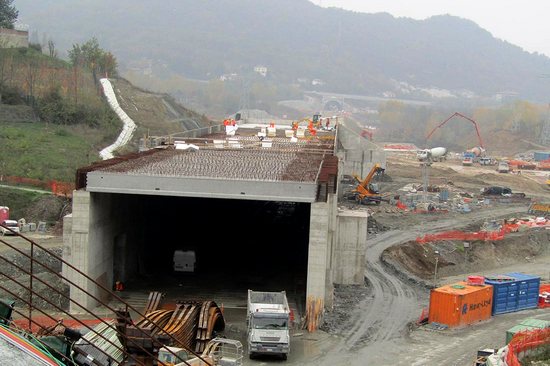
    Seli Overseas, società del gruppo Webuild, ha comunicato tredici settimane di cassa integrazione ordinaria per circa 300 dipendenti dei cantieri di Radimero e Val Lemme. I sindacati la collegano a un presunto contenzioso economico tra Cociv e Rfi, mentre Webuild sollecita al Governo pagamenti su diciotto commesse ferroviarie.

Persone

  • Pessina confermato presidente di Federagenti

    Pessina confermato presidente di Federagenti

    L'Assemblea di Federagenti ha rinnovato all'unanimità la presidenza di Paolo Pessina, alla guida della federazione degli agenti marittimi dall'ottobre 2024. Ha indicato come fronti aperti le crisi geopolitiche che pesano sui porti e la riforma portuale.
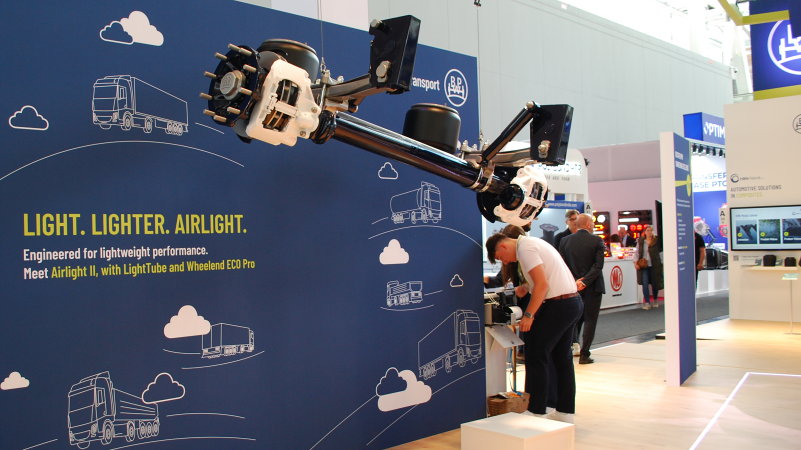
Nuova generazione di carrelli automatici Toyota

TECNICA

Nuova generazione di carrelli automatici Toyota
previous arrow
next arrow
Pessina confermato presidente di Federagenti

LOGISTICA

Pessina confermato presidente di Federagenti
previous arrow
next arrow
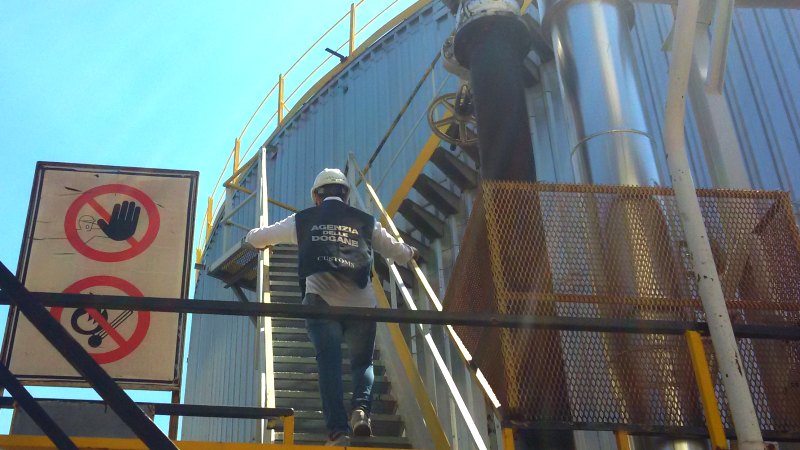
Tre società indagate a Genova per frode sui carburanti

ENERGIE

Tre società indagate a Genova per frode sui carburanti
previous arrow
next arrow
Sanilog avvia una nuova campagna oncologica

SERVIZI

Sanilog avvia una nuova campagna oncologica
previous arrow
next arrow