









The European Commission has approved, under EU State aid rules, a German scheme of up to €1.6 billion to develop a publicly accessible fast-charging network for electric heavy-duty vehicles along motorways. The measure targets rest areas that are currently not served and aligns with the objectives of the European Green Deal and the Fit for 55 package, with a particular focus on building a cross-border charging network for road freight transport.
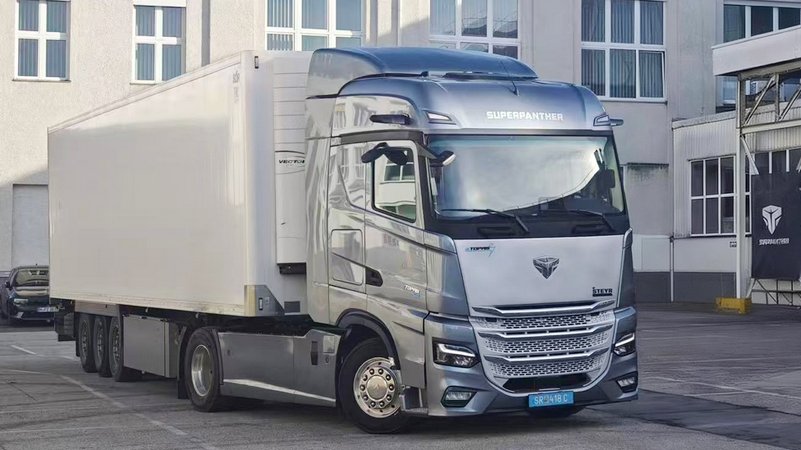
The plan, notified by the German authorities and managed by Die Autobahn des Bundes, provides for the installation of up to 1,410 charging points dedicated to electric trucks at more than 120 motorway rest areas. The infrastructure is specifically designed for electric trucks and buses, which have different energy requirements and charging times compared with passenger cars. Public support will take the form of direct grants and recurring payments, covering part of the construction and operating costs of the infrastructure over the full duration of the contracts. The agreements will have an initial term of eight years, with the possibility of extension up to twelve years. Beneficiaries will be operators with experience in the construction and operation of charging infrastructure, selected through competitive tender procedures.
Under the scheme, all operators will be required to offer multiple pricing options to end users. Alongside ad hoc charging without a subscription, a contract-based model will be available, as well as a price-passing mechanism that allows hauliers to use the commercial terms agreed with their own energy supplier. According to the European Commission, this structure helps ensure an adequate level of price competition and greater freedom of choice for road haulage companies. A charging network fee is also included in the price paid by users and transferred by operators to the federal state. The level of this fee will largely be determined through competitive tenders and reviewed every two years to reflect market developments and the actual costs of providing the service.
In assessing the measure, the Commission applied Article 107(3)(c) of the Treaty on the Functioning of the European Union and the 2022 State aid guidelines for climate, environmental protection and energy. During the investigation, third-party observations were submitted, raising concerns about the scheme’s compatibility with competition rules and with the regulation on alternative fuels infrastructure. The European executive’s analysis found no critical issues, concluding that the safeguards in place limit distortive effects on competition and trade.
According to the Commission, the scheme is necessary and appropriate to enable the large-scale deployment of charging infrastructure for electric heavy-duty vehicles along German motorways, in a context where private investment alone would be insufficient or too slow without public support. The intervention was also deemed to have a clear incentive effect and to be proportionate to the objectives pursued.
The national context underlines the relevance of the measure. In Germany, the transport sector is the third-largest source of greenhouse gas emissions, and heavy-duty vehicle traffic accounted for 24% of the sector’s total emissions in 2024, according to the European Commission’s own data. Despite forecasts of growth by 2030, the uptake of electric trucks remains limited: as of April 2025, only 0.37% of newly registered heavy-duty vehicles were electric.
The German federal government aims to cut greenhouse gas emissions by 65% by 2030 compared with 1990 levels and to achieve climate neutrality by 2045. Within this framework, the development of a dense and reliable charging network along the main motorway corridors is seen as a prerequisite for encouraging logistics and transport companies to adopt electric heavy-duty vehicles.