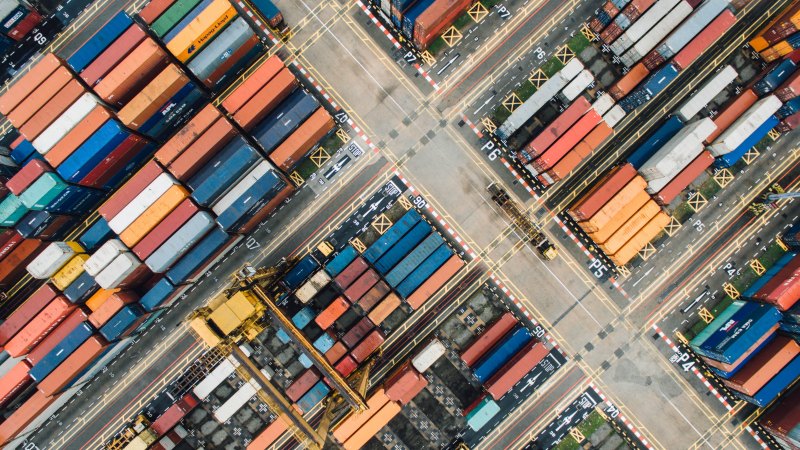






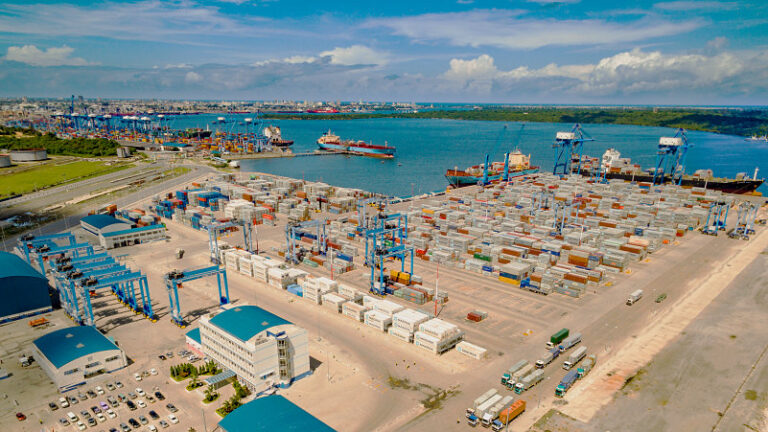
CMA CGM signed a framework agreement in May 2026 with the Government of Kenya to invest about €700m in the modernisation and expansion of the container terminal at the port of Mombasa. The agreement was signed on the sidelines of the Africa Forward Summit in Nairobi and provides for the creation of a joint venture between the French shipping group and the Kenyan authorities, with the aim of developing and financing new port and logistics infrastructure at the facility. The investment will be used to modernise the terminal’s infrastructure and equipment, increase handling capacity and adapt the quays to accommodate next-generation container ships. As well as reducing waiting times at anchorage and alongside, with positive effects on the fluidity of logistics corridors towards the landlocked countries served by Mombasa, the upgrade will also support exporters of perishable products in the region by reducing the risk of deterioration for sensitive goods such as fresh fruit and vegetables.
The Kenyan port is East Africa’s main gateway and connects more than 80 global ports with the hinterland markets of Uganda, Rwanda, Burundi, the Democratic Republic of the Congo and South Sudan, serving as an access point for containers, oil and grain. For Kenya, the operation also responds to a specific competitive pressure: the country’s authorities see CMA CGM’s entry as a lever to defend and strengthen Mombasa’s position against the growth of Tanzania’s port of Dar es Salaam, with which the Kenyan port competes for volumes bound for the regional hinterland.
The agreement forms part of the Marseille-based group’s broader African strategy, as it builds an integrated network of logistics assets across the continent. Existing nodes in CMA CGM’s portfolio include Lekki Deep Sea Port in Nigeria, a pillar of its presence in the Gulf of Guinea. This network is now joined by the group’s recent decision to open an African regional office in Abidjan, a sign that Africa is being managed as a single strategic market rather than as a collection of individual countries. The Mombasa agreement was announced during French President Emmanuel Macron’s visit to Kenya and is being interpreted by several analysts in broader terms as part of Paris’s new strategy on the continent, with Nairobi as one of its main footholds in East Africa.
Europe is seeking to expand its presence in African transport infrastructure, partly to counter China’s presence in other ports on the continent, in a contest that involves both trade routes and regional geopolitical dynamics. For other operators, terminal companies and carriers, the strengthening of Mombasa could shift volumes on the main trades towards hinterland markets, changing the balance with Dar es Salaam and the ports of the Horn of Africa.
Antonio Illariuzzi