



Array ( [0] => 8 [1] => 40 )

Podcast K44

Cronaca

  • Carabinieri scoprono 387 kg di hashish su camion a Capua

    Carabinieri scoprono 387 kg di hashish su camion a Capua

    Un autoarticolato con targa spagnola partito da Barcellona e diretto nel Casertano è stato fermato dai carabinieri al casello di Capua lungo l’A1. Nel semirimorchio, tra l’ortofrutta i militi hanno scoperto 387 kg di hashish confezionati in panetti.

Normativa

Mare

  • La guerra del Golfo spinge i noli container Cina-Europa

    La guerra del Golfo spinge i noli container Cina-Europa

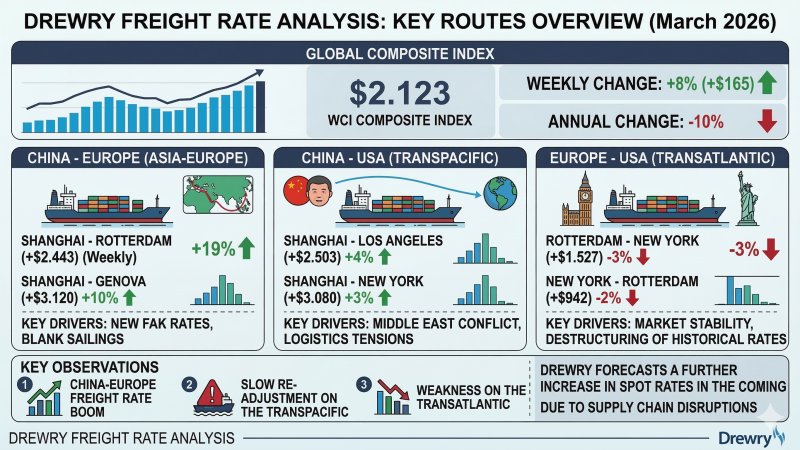
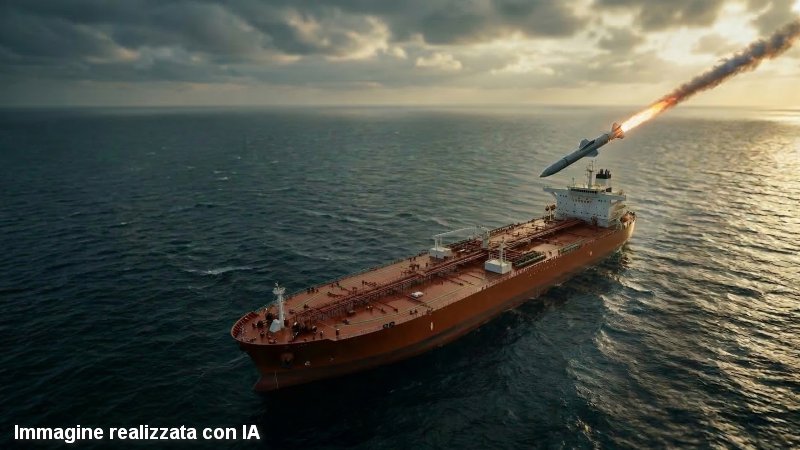
    I noli spot del trasporto marittimo dei container tra Cina ed Europa cominciano a subire le conseguenze della guerra all’Iran: il Drewry World Container Index del 12 marzo 2026 Shanghai-Rotterdam cresce del 19% e Shanghai-Genova del 10%. Aumento più moderato tra Asia e Usa.

Autotrasporto

  • Nicolosi cresce nel trasporto frigo con Invoys

    Nicolosi cresce nel trasporto frigo con Invoys

    Il gruppo catanese Nicolosi Trasporti acquisisce il ramo trasporti di Invoys Logistics a Parma, rafforzando le attività nel trasporto refrigerato e nella distribuzione alimentare. L’operazione s’inserisce in una strategia di crescita costruita negli ultimi anni tra hub logistici in Sicilia, rotte internazionali e nuovi assetti nel Centro-Nord.

    Allianz analysis on the trade effects of US tariffs

    Illustrazione: TrasportoEuropa

    The Allianz Trade Global Survey 2025, published on 20 May, offers a first-hand account of the immediate impact of the trade war sparked on 2 April by the US announcement of new duties. The research involved companies from China, France, Germany, Italy, Poland, Singapore, Spain, the United Kingdom and the United States, consulted at two key points in time: first between 6 and 21 March, when tariffs were still only a possibility, and then between 21 April and 5 May, once the new duties were already in effect. The sample, which spans fifteen sectors and includes both small and medium-sized enterprises as well as large corporations with revenues exceeding five billion euros, was designed to measure the shift in business sentiment before and after the introduction of tariffs.

    The results point to a dramatic turnaround in expectations. Before the duties were imposed, 80 per cent of exporters were planning to expand their international sales. Just weeks later, that share had dropped to 40 per cent. Four in ten businesses now expect a decline in revenue of between 2 and 10 per cent over the next year, a fear that had barely reached 5 per cent in the earlier survey. On a broader economic level, Allianz Trade estimates global export losses could reach 305 billion dollars in 2025 and a further 291 billion in 2026. China is expected to bear more than a third of these losses, while the European Union could see a reduction of up to 33 billion dollars.

    This climate of uncertainty is also reflected in payment behaviours. Only 11 per cent of businesses continue to receive payment within 30 days, while around 70 per cent now wait between 30 and 70 days. In some markets, such as the United Kingdom, it has become standard for payments to be delayed beyond 70 days. Since 2 April, the share of companies expecting further delays in payment terms has risen sharply from 36 to 53 per cent, with Italy and Spain showing the most significant increases. Almost half of all respondents now fear a rise in insolvencies, a risk perceived as particularly acute by companies in the UK, the US and Italy.

    To mitigate the impact of tariffs, many firms have turned to front-loading strategies, accelerating imports before the new duties came into force. In the US, 79 per cent of importers from China and Europe followed this approach. Globally, nearly four out of ten companies plan to pass on the higher costs entirely to their customers, and in the United States that figure exceeds 50 per cent.

    The trend toward market diversification is gaining momentum. European exporters have increased their interest in Asia, with the share rising from 30 to 36 per cent, while interest from Asian companies in Europe has grown from 12 to 14 per cent. Chinese companies, in particular, have doubled their focus on Europe, reaching 22 per cent. Latin America is also emerging as a viable destination, attracting one in six Chinese firms—twice the previous share.

    Investment decisions reflect these diverging geographies. In Germany, 45 per cent of firms are focusing on operational efficiency and cost reduction. In contrast, 77 per cent of Chinese companies are investing in diversification and the expansion of strategic capital. In the US, the proportion of businesses planning to increase investment has dropped to 47 per cent.

    Almost 90 per cent of companies surveyed are either considering or have already begun to bring parts of their production or supply chains back to domestic markets. However, this reshoring process faces significant obstacles, including the lack of local suppliers, higher operating costs and labour shortages, as highlighted by more than 75 per cent of respondents.

    On the US-China front, the recent 90-day truce has reduced the average US tariff on Chinese goods to 39 per cent. However, this is still three times higher than before the conflict began. American companies are expected to continue advancing their orders and rerouting shipments through lower-tariff hubs in Southeast Asia, the Gulf and Latin America. Although eight in ten US firms say they are planning to restructure their supply chains to reduce dependence on China, only 8 per cent foresee a significant reduction in their direct presence in the country, indicating that a complete decoupling remains unlikely.

    The most negative sentiment is found among wholesalers, two-thirds of whom anticipate worsening business conditions, and among firms that derive more than half their revenue from exports. Larger companies, particularly those with revenues above five billion euros, are experiencing longer payment delays. The sectors most affected by these delays are transport, energy, metals, paper and agri-food, while ICT, retail and automotive continue to report average payment times below 50 days.

    Six weeks into the tariff war, the Allianz Trade report makes clear that tariff uncertainty is not simply slowing global trade—it is actively redrawing its contours. Value chains are becoming shorter, regional hubs are proliferating, and friend-shoring is emerging as the dominant approach. Companies capable of responding with flexible supply chains, robust financial safeguards and agile pricing strategies may turn what appears to be a systemic threat into a long-term competitive advantage.


    © TrasportoEuropa - Riproduzione riservata - Foto di repertorio
    Segnalazioni, informazioni, comunicati, nonché rettifiche o precisazioni sugli articoli pubblicati vanno inviate a: redazione@trasportoeuropa.it


      Puoi commentare questo articolo nella pagina Facebook di TrasportoEuropa

      bottone newsletter piccolo Vuoi rimanere aggiornato sulle ultime novità sul trasporto e la logistica e non perderti neanche una notizia di TrasportoEuropa? Iscriviti alla nostra Newsletter con l'elenco ed i link di tutti gli articoli pubblicati nei giorni precedenti l'invio. Gratuita e NO SPAM!


    CONTENUTI SPONSORIZZATI


Videocast K44

Aereo

  • Allarme di Federlogistica sul cargo aereo sotto pressione

    Allarme di Federlogistica sul cargo aereo sotto pressione

    Il blocco dei voli sugli hub di Dubai e Doha e le nuove rotte obbligate tra Europa e Asia riducono la capacità del trasporto aereo merci fino al 40% sulla direttrice Asia-Medio Oriente-Europa. Federlogistica avverte: le conseguenze della guerra in Iran sono ancora in fase iniziale. Compare già un’impennata dei …

Ferrovia

  • La galleria del Brennero sarà rinviata al 2034?

    La galleria del Brennero sarà rinviata al 2034?

    L'apertura della galleria ferroviaria di base del Brennero potrebbe slittare di due anni e quindi nel 2034. L’ipotesi nasce su una richiesta avanzata dal consigliere di Stato ai Trasporti austriaco a Bbt con l'invito a comunicare una "data realistica".
Persone

  • Torello perde il fondatore Nicola

    Torello perde il fondatore Nicola

    La mattina del 5 marzo 2026, la società di trasporto campana Torello ha annunciato la morte del fondatore Nicola Torello. Ha trasformato un’impresa individuale in una multinazionale europea.
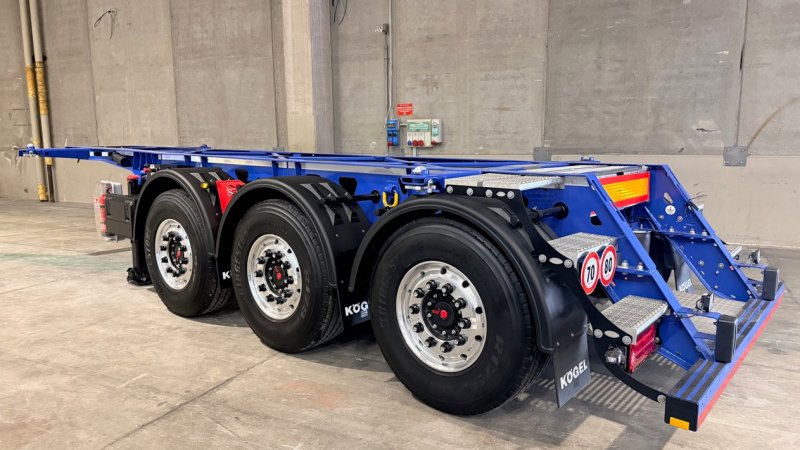
Kögel presenta in Italia un semirimorchio per container leggero

TECNICA

Kögel presenta in Italia un semirimorchio per container leggero
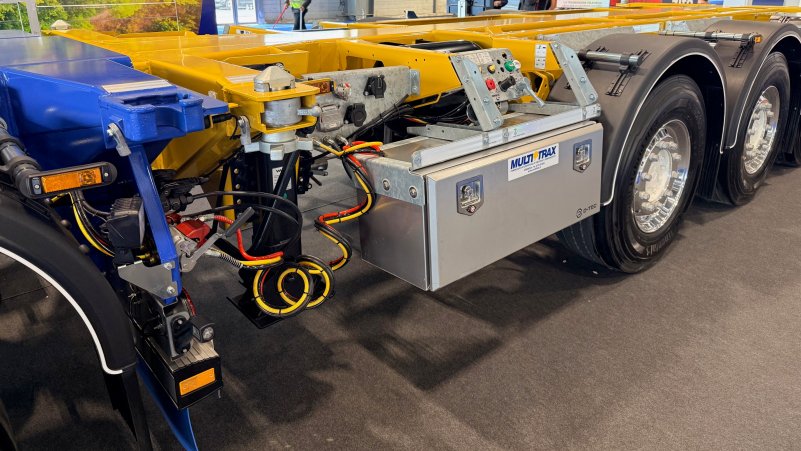
Multitrax presenta un semirimorchio per container separabile

TECNICA

Multitrax presenta un semirimorchio per container separabile
Geotab presenta la dash cam GO Focus Pro con IA

TECNICA

Geotab presenta la dash cam GO Focus Pro con IA
Viberti presenta Evo, semirimorchio centinato competitivo

TECNICA

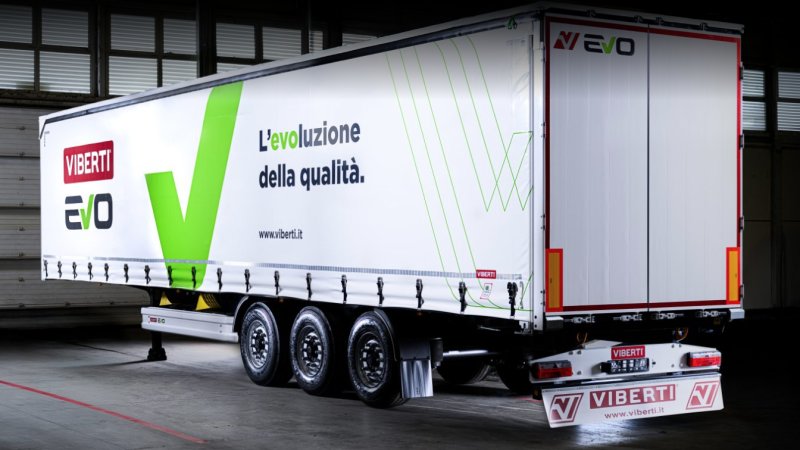
Viberti presenta Evo, semirimorchio centinato competitivo
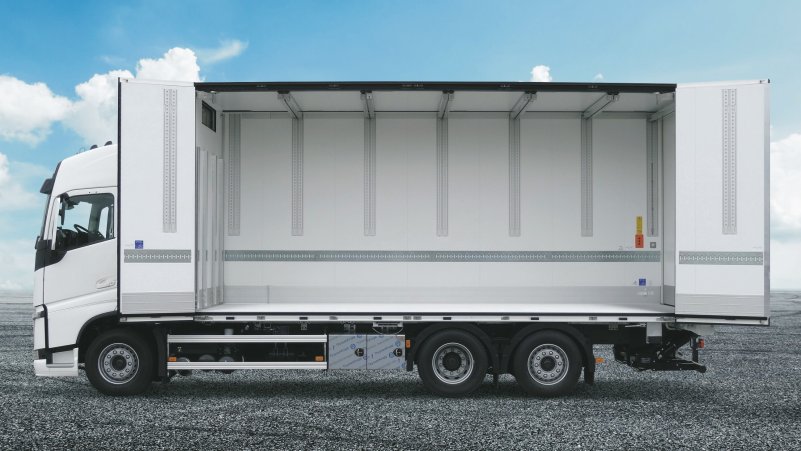
Camion ad accesso laterale integrale per la distribuzione

TECNICA

Camion ad accesso laterale integrale per la distribuzione
previous arrow
next arrow
Confisca definitiva per imprenditore della logistica

LOGISTICA

Confisca definitiva per imprenditore della logistica
Come lo spedizioniere può affrontare una crisi geopolitica

LOGISTICA

Come lo spedizioniere può affrontare una crisi geopolitica
Raben Italy rafforza hub logistico Bologna

LOGISTICA

Raben Italy rafforza hub logistico Bologna
Confetra ricorre al Tar contro la tassa sui pacchi

LOGISTICA

Confetra ricorre al Tar contro la tassa sui pacchi
Due arresti per appalti illegali nella logistica di Trieste

LOGISTICA

Due arresti per appalti illegali nella logistica di Trieste
previous arrow
next arrow
Usa toglie l’embargo sul petrolio russo e Iran apre a quello per la Cina

ENERGIE

Usa toglie l’embargo sul petrolio russo e Iran apre a quello per la Cina
Il mondo potrà affrontare la più grave crisi energetica

ENERGIE

Il mondo potrà affrontare la più grave crisi energetica
Anche lo Hvo segue l’aumento di prezzo del gasolio

ENERGIE

Anche lo Hvo segue l’aumento di prezzo del gasolio
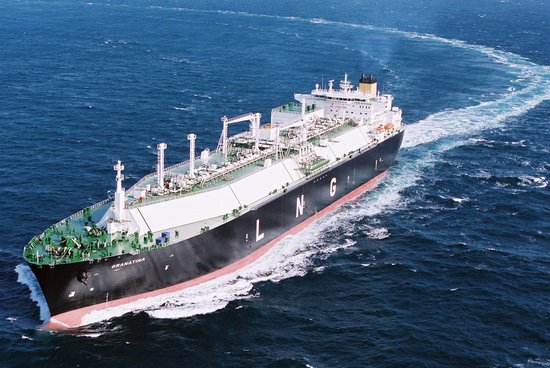
Aumentano le gasiere dirottate dall’Europa all’Asia

ENERGIE

Aumentano le gasiere dirottate dall’Europa all’Asia
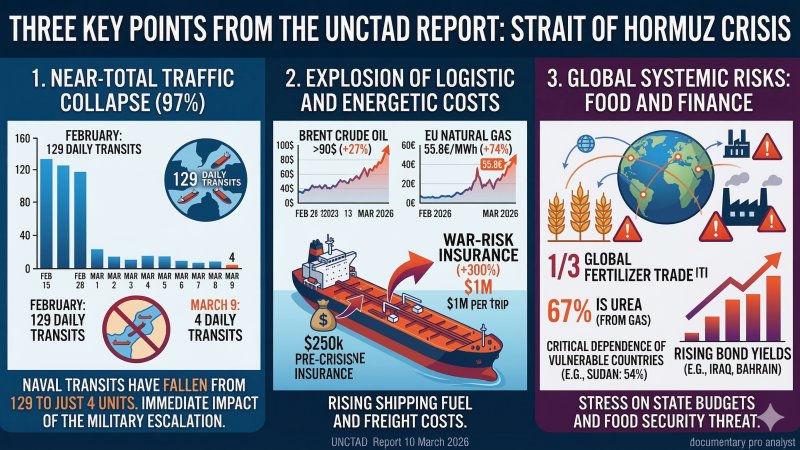
La guerra all’Iran spinge in alto il prezzo di gasolio e Gnl

ENERGIE

La guerra all’Iran spinge in alto il prezzo di gasolio e Gnl
previous arrow
next arrow
L’evoluzione della borsa carichi autotrasporto è relazionale

SERVIZI

L’evoluzione della borsa carichi autotrasporto è relazionale
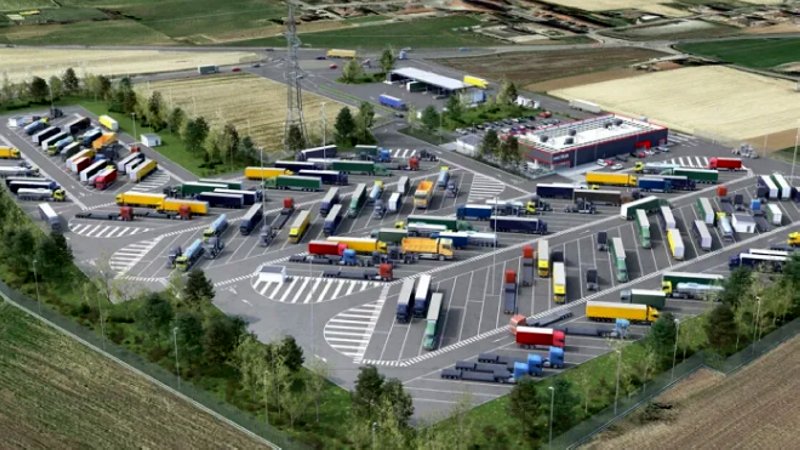
Padrosa realizzerà un parcheggio per camion ad Alessandria

SERVIZI

Padrosa realizzerà un parcheggio per camion ad Alessandria
Leviahub e Pionira accelerano sull’adozione dell’eCmr

SERVIZI

Leviahub e Pionira accelerano sull’adozione dell’eCmr
Trans.eu avvia il pagamento sicuro per l’autotrasporto europeo

SERVIZI

Trans.eu avvia il pagamento sicuro per l’autotrasporto europeo
Sanilog rinnova nel 2026 il piano sanitario per lavoratori della logistica

SERVIZI

Sanilog rinnova nel 2026 il piano sanitario per lavoratori della logistica
L’IA si sta sempre più integrando nel trasporto

SERVIZI

L’IA si sta sempre più integrando nel trasporto
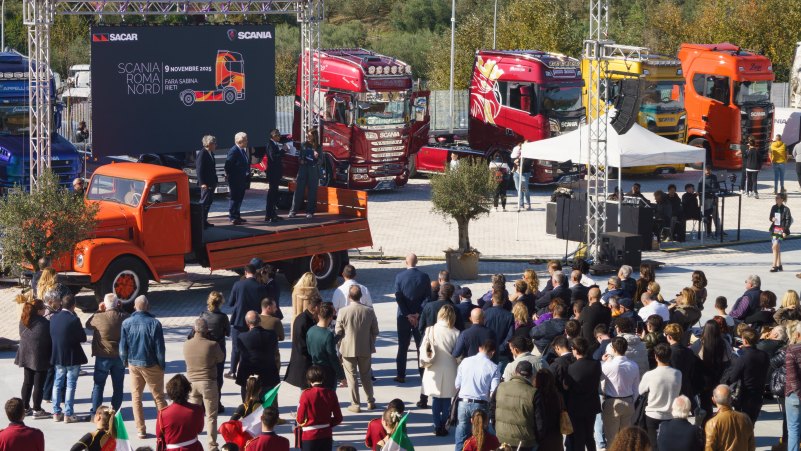
Scania amplia la rete di assistenza nel Lazio

SERVIZI

Scania amplia la rete di assistenza nel Lazio
Nuovi contributi per cibersicurezza alle Pmi e autonomi

SERVIZI

Nuovi contributi per cibersicurezza alle Pmi e autonomi
Dkv Mobility presenta un nuovo software per gestione trasporti

SERVIZI

Dkv Mobility presenta un nuovo software per gestione trasporti
Forto nomina Matteo Caiti Country Manager Italia

SERVIZI

Forto nomina Matteo Caiti Country Manager Italia
Nuove tecnologie Geotab per il trasporto refrigerato

SERVIZI

Nuove tecnologie Geotab per il trasporto refrigerato
Sanzione antitrust di 5 milioni sul noleggio veicoli per Ald

SERVIZI

Sanzione antitrust di 5 milioni sul noleggio veicoli per Ald
Circle Group potenzia software per porti e interporti

SERVIZI

Circle Group potenzia software per porti e interporti
Scania realizza una struttura per i camion a Milano

SERVIZI

Scania realizza una struttura per i camion a Milano
Transporeon introduce nuove soluzioni TMS con l’intelligenza artificiale

SERVIZI

Transporeon introduce nuove soluzioni TMS con l’intelligenza artificiale
previous arrow
next arrow