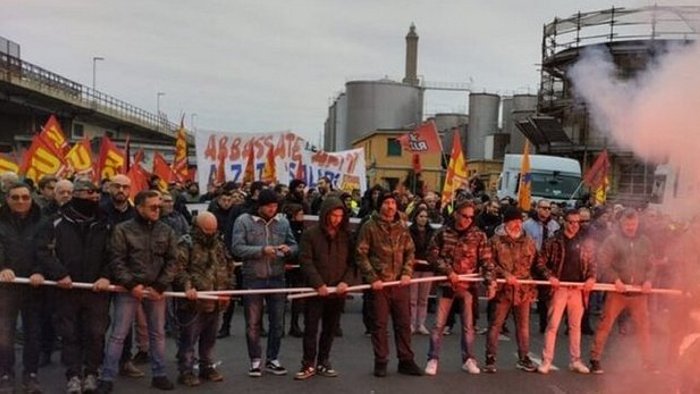









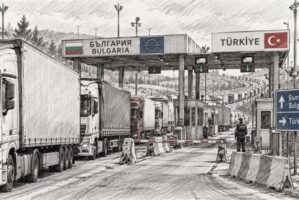
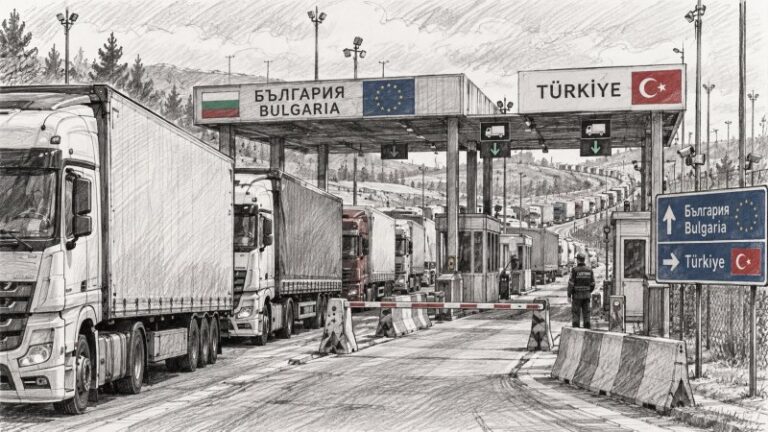
Since 28 October 2026, Turkish lorry drivers queuing at the Kapıkule and Hamzabeyli border crossings into Bulgaria have been switching off their engines and intermittently blocking lorry traffic in both directions, protesting against refusals of entry linked to the length of stay permitted under Schengen visas. The following day, the protests spread to the İpsala crossing on the Greek border, while cars and coaches continued to cross, although delayed by the queues. Meanwhile, Turkey's Ministry of Trade announced a joint initiative with the Foreign and Transport Ministries to resolve the drivers' problems.
Ankara has mobilised three ministries to address the crisis at the Bulgarian border. Trade Minister Ömer Bolat contacted the Bulgarian Ministry of the Interior and UND, the Turkish international road hauliers' association. Foreign Minister Hakan Fidan approached Bulgaria's Prime Minister and Foreign Minister, while Transport Minister Abdulkadir Uraloğlu conveyed Turkey's demands to his Bulgarian counterpart. Ankara also reported discussions with the European Commission and the EU Delegation to Turkey aimed at facilitating access to visas, speeding up procedures and securing greater flexibility. According to the Turkish statement, the Bulgarian authorities replied that the rules stem from the Schengen system and that they have no scope to intervene at national level.
The protest concerns the 90-day limit on stays within the Schengen area over any 180-day period, which also applies to Turkish drivers engaged in international road transport. This restriction applies even to holders of multiple-entry visas: they may cross EU borders several times, but their total stay within the Schengen area must not exceed 90 days. Bulgaria has applied Schengen rules, including visa issuance, since 31 March 2024. On 1 January 2025, Bulgaria and Romania abolished checks on people at their internal land borders, while the border with Turkey remains an external Schengen border. Turkish hauliers argue that the permitted periods of stay are incompatible with the frequency of international journeys.
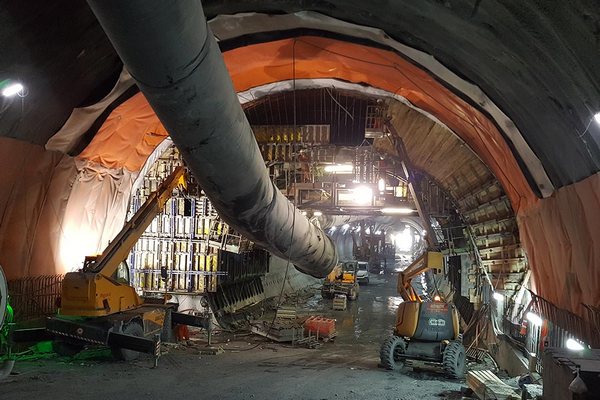
Queues at the border crossings had already formed before the protests began. On 25 October, UND reported waiting times of 97 hours at Kapıkule-Kapitan Andreevo and 30 hours at Hamzabeyli-Lesovo, attributing the delays at Kapıkule to modernisation work on the Bulgarian side. According to UNTRR, the Romanian road transport association, the work has temporarily reduced the capacity for inspecting heavy goods vehicles. In a statement issued on 29 October, UNTRR reported lorries stranded at the border for more than 120 hours and a blockade in both directions starting at 2 pm Turkish time that day. For Romanian transport companies, the delays mean immobilised vehicles unable to undertake further journeys, late fulfilment of contracts and additional costs. The association also warned of risks to the European automotive industry, which receives components and subassemblies from Turkey. Waiting times exceeding five days could force manufacturers to reorganise production or temporarily shut down some assembly lines.
UNTRR has called on the Romanian authorities to engage with Bulgaria, Turkey and European institutions in discussions aimed at increasing inspection capacity and managing traffic during the construction work. It has also urged a European solution to the application of stay restrictions to professional drivers from third countries. Meanwhile, an electronic queuing system has been introduced at the Hamzabeyli-Lesovo crossing. According to information from hauliers reported by the association, the available slots for Sunday 1 November were fully booked in less than a minute after reservations opened overnight between 28 and 29 October.
Pietro Rossoni