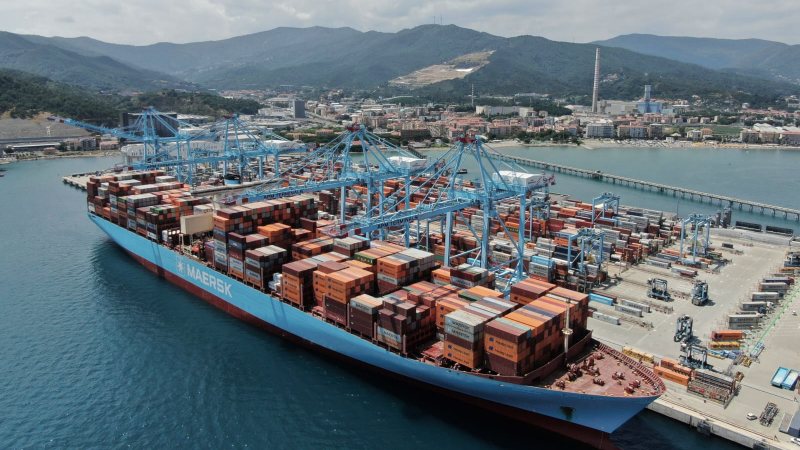









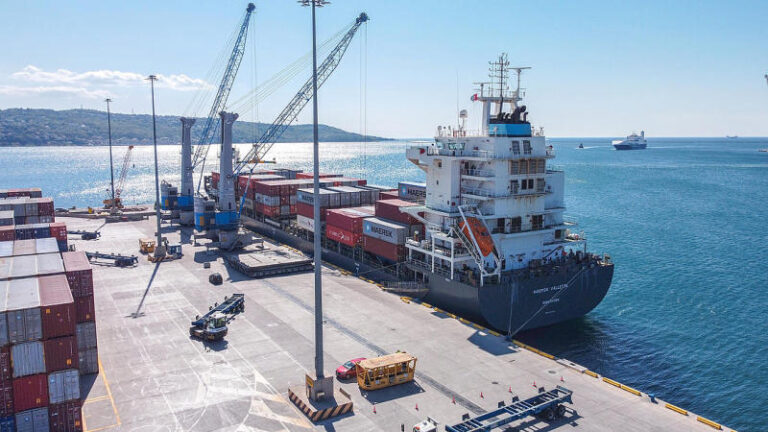
Container traffic at the Port of Trieste returned to growth in the third quarter of 2026 after six months of decline. Between July and September, the port handled 165,502 TEU, an increase of 22.3% compared with the same period in 2025, bringing throughput for the first nine months to 528,125 TEU (+2.5%). Between January and September, the port handled a total of 45.2 million tonnes of cargo (+3.1%). Including Monfalcone, the Eastern Adriatic Sea Port Authority system handled more than 47.9 million tonnes (+1.78%), compared with growth of 0.67% in the first half of the year. "The recovery in container traffic, following a difficult first half, is the result we are most pleased with, as it shows that our work alongside operators and shipping lines is bearing fruit," said Marco Consalvo, president of the Eastern Adriatic Sea Port Authority.
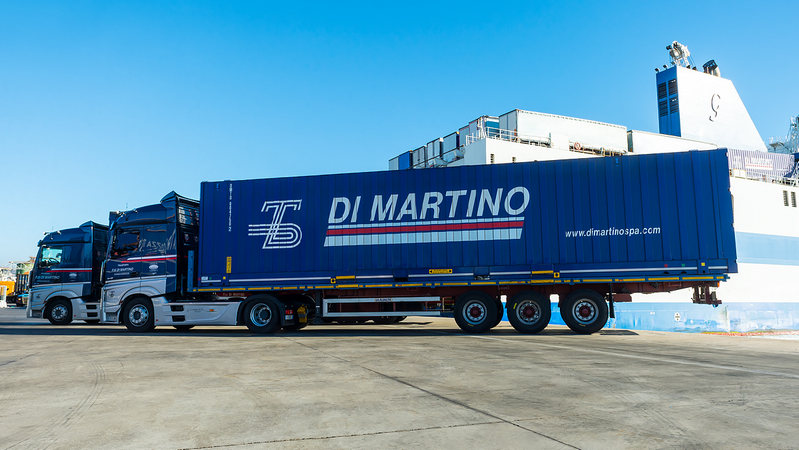
Looking at individual cargo segments, ro-ro traffic reached 241,034 units (+3.4%) out of a total of 256,989 vehicles (+1.51%), confirming Trieste's leading position in short-sea shipping and the strength of its connections with Turkey. The doubling of the Damietta service is expected to strengthen trade links with Egypt. Liquid bulk volumes rose to 32.3 million tonnes (+3.9%). Through the Transalpine Pipeline, Trieste supplies Austria, Germany and the Czech Republic. General cargo reached 12.8 million tonnes (+0.98%), while dry bulk rose to 104,086 tonnes (+34.98%).
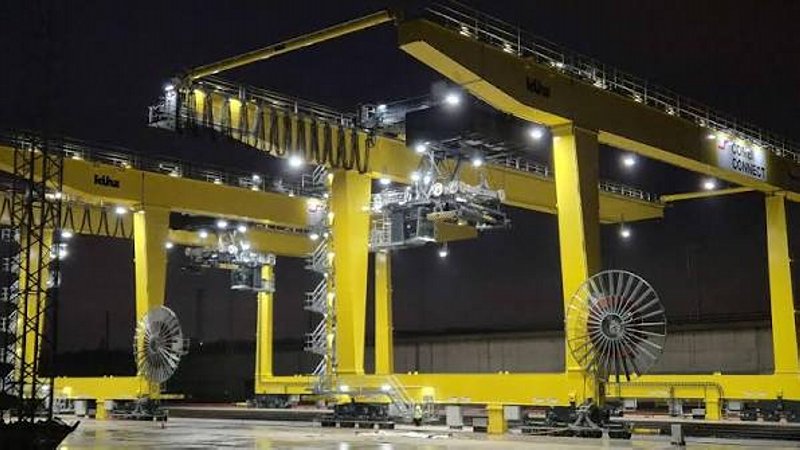
The Port of Trieste has a high proportion of rail freight movements to its hinterland, but this activity declined in the first nine months of 2026. The port handled 5,206 trains, down 14.01%, a fall which the Port Authority attributes to longstanding infrastructure restrictions affecting European rail corridors, reducing available capacity and disrupting service reliability. More recently, RFI closed the Tarvisio Boscoverde railway facility from late August, with a partial reopening in mid-September restricted to a ten-hour overnight operating window. Consalvo added that the Port Authority would continue discussions with RFI and European rail infrastructure managers.
At Monfalcone, meanwhile, cargo volumes continued to decline. The port handled 2.7 million tonnes between January and September (–15.68%), although the contraction was less severe than the 24.9% recorded in the first six months. The decline was concentrated in dry bulk, which fell to 2.1 million tonnes (–22.80%). The comparison continues to reflect the exceptionally high volumes recorded in 2025, when many companies brought forward purchases ahead of the introduction of the Carbon Border Adjustment Mechanism. The Port Authority also points to the blockade of the Strait of Hormuz, which is causing sharp fluctuations in gas and electricity prices, affecting imports and industrial processing. General cargo, by contrast, increased to 682,793 tonnes (+16.69%). Commercial vehicle traffic totalled 65,093 units (–15.52%), although September recorded an increase to 7,264 (+9.91%). At Portorosega, rail movements totalled 1,579 trains (–9.72%).
Meanwhile, in October, HHLA PLT Italy CEO Antonio Barbara announced at Fruit Attraction, the fresh produce trade fair held in Madrid, plans to develop a refrigerated logistics platform at FREEeste, the logistics hub operated by Interporto di Trieste in the Bagnoli della Rosandra area. The facility would serve the entire port system and aims to capture growing Mediterranean fresh produce traffic, particularly in view of stronger shipping connections with Egypt.
"The short-term project envisages temperature-controlled facilities for the rapid transfer and sorting of perishable products, reducing the time cargo spends at the terminal. HHLA PLT Italy already has an on-site Border Control Post, allowing the checks required for certain categories of goods arriving from non-EU countries to be carried out directly at the terminal. We have set ourselves a two-year target to build a cross-docking facility at the terminal, but the best solution would be to develop a dedicated fresh produce logistics platform at FREEeste, available to all the port's terminals," Barbara explained.
M.G.