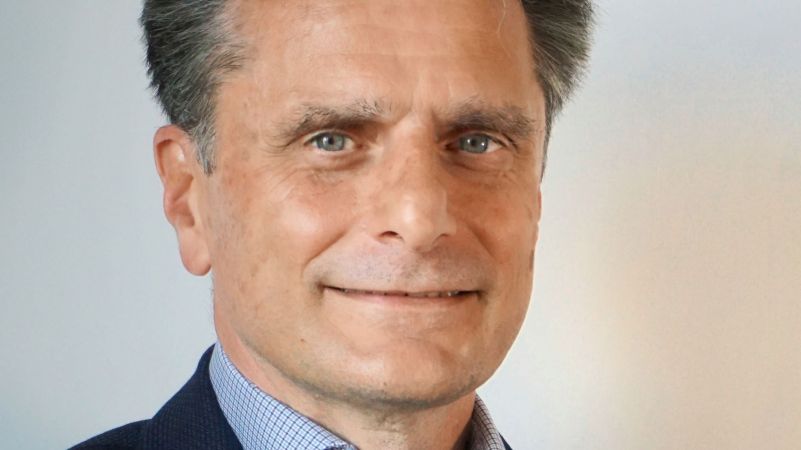






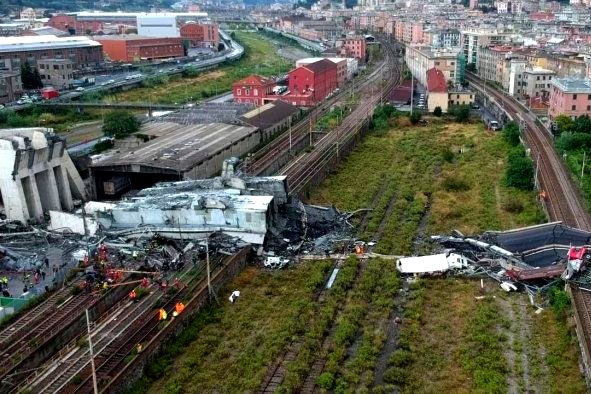
- The Court of Genoa has convicted at first instance Giovanni Castellucci, former chief executive of Autostrade per l’Italia, sentencing him to 12 years in prison over the collapse of the Ponte Morandi on 14 August 2018, which killed 43 people. The public prosecutor’s office had sought a sentence of 18 years and six months.
- Shorter sentences were handed down to other executives: five years for Mauro Coletta, former head of ministerial supervision; 11 years for Michele Donferri Mitelli, a former Aspi executive; and five years and six months for Paolo Berti, former deputy head of Aspi, and Antonino Galatà, former chief executive of Spea.
- Aspi and Spea exited the trial through a €30m plea agreement. Castellucci, who is already in custody following a final six-year conviction over the 2013 Acqualonga viaduct disaster, may now appeal against the first-instance ruling.
The Court of Genoa, in a ruling delivered on 16 July 2026, convicted at first instance Giovanni Castellucci, chief executive of Autostrade per l’Italia (Aspi) at the time of the Ponte Morandi collapse, sentencing him to 12 years in prison for negligent collapse and road homicide, with the lesser offence of simple manslaughter absorbed into the ruling. The verdict comes at the end of a four-year trial and almost eight years after the disaster on the Polcevera viaduct, on the A10 motorway, which killed 43 people on 14 August 2018. The public prosecutor’s office had requested a sentence of 18 years and six months, calculated from the maximum penalty for road homicide in relation to the youngest victim and increased for each of the other 42 deaths under the mechanism of continuation of offences.
Among the other senior defendants, the court sentenced Michele Donferri Mitelli, who was then responsible for maintenance at Aspi, to 11 years, compared with a request for 15 years and six months. Paolo Berti, the concessionaire’s former number two, and Antonino Galatà, former chief executive of Spea, the engineering company then controlled by Aspi and responsible for the structural inspection of the viaduct, each received five years and six months. Mauro Coletta, who headed supervision of motorway concessions at the Ministry of Transport, was sentenced to five years; prosecutors had requested 10 years for him.
The collapse, which occurred at 11.36 on 14 August 2018, was attributed by the prosecution to corrosion-related failure of one of the stays on pier 9, the diagonal steel ties that supported the deck. The defence teams argued instead that there was a hidden defect in the original construction of the structure, which could not have been identified through ordinary inspections. Riccardo Morandi, the viaduct’s own designer, had already warned in 1979 and 1981 of the need for constant checks on the structure, which he believed was subject to faster-than-expected deterioration.
At the centre of the prosecution case was the management of maintenance. According to prosecutors, Aspi’s senior management delayed the project to strengthen pier 9 in order to contain costs, while the ministry failed to carry out the required checks on the concessionaire. Trial documents indicate that during the bridge’s 20 years under public management before privatisation, extraordinary maintenance cost an average of €1.3m a year, falling to €24,000 a year under private management. The public prosecutor’s office placed that difference at the centre of its reconstruction of managerial responsibility.
The trial, conducted by the Genoa public prosecutor’s office with prosecutors Walter Cotugno and Marco Airoldi, who took over from Massimo Terrile after his death during the proceedings, began on 7 July 2022 and concluded after 284 hearings. The 57 initial defendants included former senior figures and technicians from Aspi and Spea, together with executives and former executives from the Ministry of Transport and the Public Works Superintendency, while the two companies, Aspi and Spea, left the proceedings through a €30m plea agreement. Castellucci, who led Aspi from 2005 to 2019, is already serving a final six-year sentence for the collapse of the Acqualonga viaduct in Avellino, where a bus plunged from the road in 2013, killing 40 people. He is being held at Opera prison in Milan, where in 2029 he will be able to apply for access to alternatives to detention. Today’s ruling is not final and may be appealed by all parties.
P.R.