

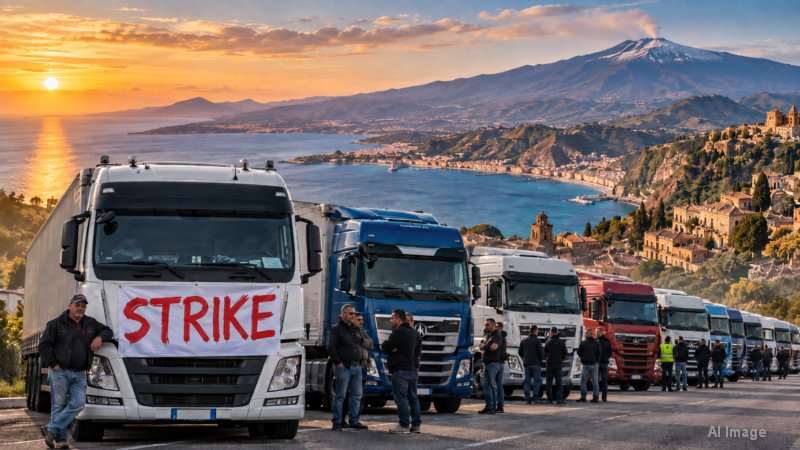




- Puglia, and in particular the province of Barletta-Andria-Trani, has been hit by a succession of armed robberies involving tanker trucks loaded with olive oil. The attacks have been concentrated along regional and provincial roads, with drivers temporarily abducted and hauls worth up to €500,000.
- Investigations have reconstructed a structured modus operandi. The gangs, made up of several armed individuals, use high-powered cars, GPS jammers and logistical bases to move the cargo quickly, targeting isolated vehicles on predictable routes.
- At the root of the phenomenon is the sharp increase in the value of extra virgin olive oil in 2025, with prices reaching up to €9.5 per kilogramme, combined with the vulnerabilities of road haulage in rural areas. This combination makes oil a highly profitable commodity that is easy to fence.
At the beginning of February 2026, an articulated lorry transporting edible oil along a road in the Andria area of Puglia was approached by a car carrying several people. The occupants ordered the driver to stop and get out of the vehicle, firing a pistol shot that hit neither the driver nor the truck. It was a serious act of intimidation intended to “convince” the driver to hand over vehicle and load. By chance, however, a Polizia Stradale (Traffic Police) patrol was passing through the area, noticed what was happening and intervened. At the sight of the officers, the robbers fled, were chased for several kilometres, and then managed to escape.
The truck was carrying around 120 quintals of various types of edible oil, with an estimated value of more than €60,000. This substantial quantity confirms the growing interest of organised crime in this type of product, which can be sold easily on the black market at high prices. The most sought-after target is olive oil, which has been dubbed “green gold” because of the retail prices it has reached. And Puglia, which produces large volumes of olive oil, has become the epicentre of attacks on trucks transporting it.
In just the last few months, between autumn 2025 and the following winter, several attacks on lorries have been recorded. The first emblematic episode of this period dates back to 30 November 2025, when a truck loaded with extra virgin olive oil was assaulted along Strada Regionale 6 near Canosa di Puglia. The haulier, flanked by a car carrying several armed individuals, was abducted and released only after a few hours in the Foggia area. The cargo, estimated to be worth €300,000, disappeared. A few days later, on 10 December 2025, a courier was intercepted on Strada Statale 16 near Barletta and forced to divert onto secondary roads along Strada Provinciale 3 before being released in the countryside.
The timeline continued into 2026. On the night between 6 and 7 January, reports described an attack on a tanker transporting around 500 quintals of extra virgin olive oil in the area between Castel del Monte and Alta Murgia. In this case too, the driver was abducted, blindfolded and abandoned dozens of kilometres away, while the vehicle was later found empty near Cerignola. This was followed by the February incident already described.
The repetition of these patterns confirms that these are not isolated episodes, but a planned activity exploiting specific features of olive oil transport. The targeted vehicles are almost always tanker trucks or dedicated heavy vehicles, often driven by a single driver, travelling along regional and provincial routes connecting mills, depots and bottling centres. These routes are essential to the olive oil logistics chain, but are less monitored than the motorway network and therefore more exposed to violent interception.
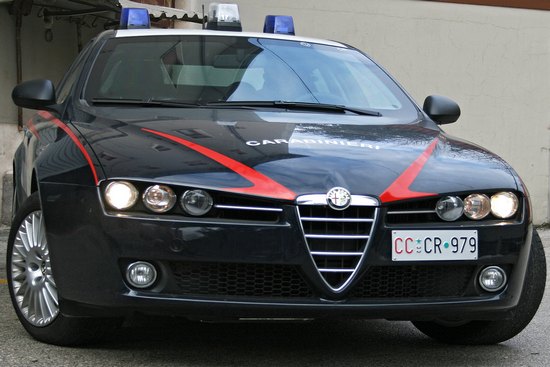
Investigations coordinated by the Procura della Repubblica di Trani (Public Prosecutor’s Office of Trani) have reconstructed the organisation of the gangs. The groups typically consist of four or more individuals with defined roles: those who identify the target, those who block the vehicle, those who drive the stolen truck and those who manage the transfer of the load. In Operation “Long Vehicle”, carried out by the Carabinieri of the Barletta-Andria-Trani Provincial Command, a stable and hierarchical structure emerged, with logistical bases used to rapidly empty the tankers.
The most critical phase of the robbery is intercepting the truck while it is moving, as shown by the failed February attack. The robbers’ cars pull alongside the vehicle, forcing the driver to stop under threat of weapons. In some cases, flashing lights are used to simulate checkpoints, or jammers to disrupt satellite tracking systems. Once the vehicle is isolated, the driver is transferred to another car and the truck is driven to a predetermined area, where the load is transferred to other vehicles or temporarily stored.
These methods reveal in-depth knowledge of sector logistics. The robbers know the timing, volumes and destinations of shipments, as well as the value of the loads. According to investigators, information may come from direct observation along the roads, but also from indirect knowledge of companies’ operating habits, such as recurring time windows and fixed routes, which are exploited.
As noted, the main reason olive oil is such an attractive target is its economic value. In 2025, prices for high-quality extra virgin olive oil reached high levels, between €7 and €9.5 per kilogramme, according to the Borsa Merci di Bari (Bari Commodity Exchange). A tanker can carry tens of tonnes, turning a single attack into a haul worth hundreds of thousands of euros. Unlike other goods, oil is relatively easy to place on the illicit market, especially in a context characterised by strong import flows and a long, complex supply chain. In this regard, the high volume of olive oil imports, estimated at half a billion kilogrammes in 2025, creates an opaque market in which traffickers and illegal practices can thrive.
Robbers target road transport because it is the most exposed link in the logistics chain. Puglia’s provincial and regional roads cross extensive agricultural areas with low population density and longer emergency response times. Hauliers often operate alone and have limited scope to change routes, making truck movements predictable. Trade associations have repeatedly highlighted these vulnerabilities, stressing that transport security has become a decisive factor for the entire supply chain.
Alongside traditional robberies, a different method is emerging, already seen in other sectors, based on the theft of digital identities of haulage companies. In January 2026, police arrested three people accused of collecting a load of bottled oil worth close to €500,000 by presenting falsified documentation and credentials. The episode shows that vulnerabilities concern not only the physical security of vehicles, but also the documentary and IT processes of logistics, which therefore need to be strengthened.
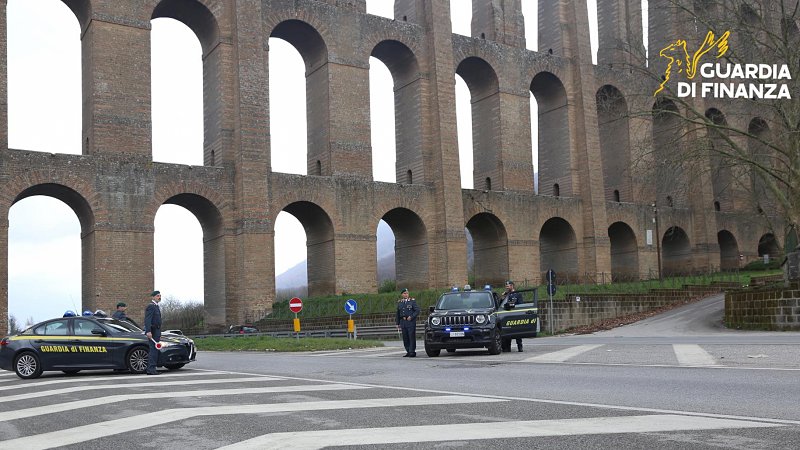
In short, criminal pressure on “green gold” is increasing, focusing on road haulage through both physical and digital means. Law enforcement agencies are stepping up checks and achieving investigative successes, but cooperation from carriers is essential, especially those operating in higher-risk areas. In practical terms, greater attention is required in journey planning, adopting measures already used in the transport of high-value goods.
M.L.