





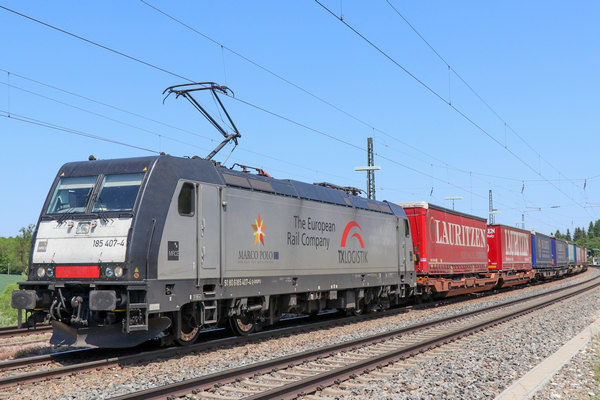
From the beginning of 2026, FS Logistix has increased the frequency of intermodal services between Milan and Duisburg operated by its German subsidiary TX Logistik. Weekly services rise from six to ten round trips, with two daily connections in each direction, strengthening one of the main rail freight corridors between Germany and Italy. The intervention concerns the axis linking the Ruhr region with Lombardy, a key area for the country’s industrial and distribution flows.
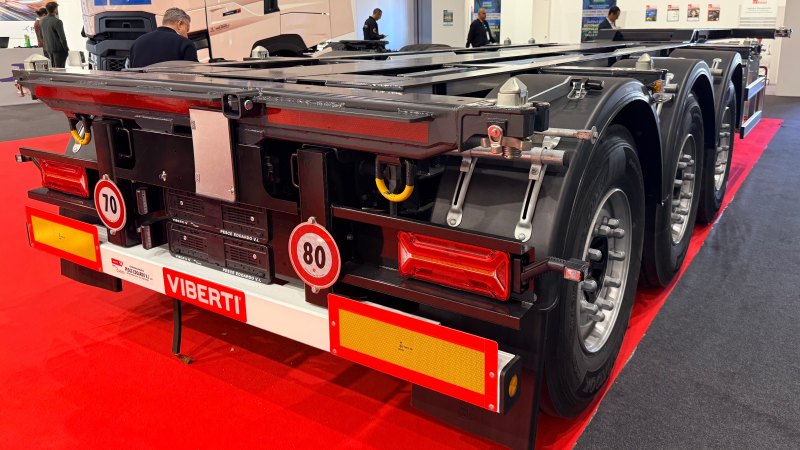
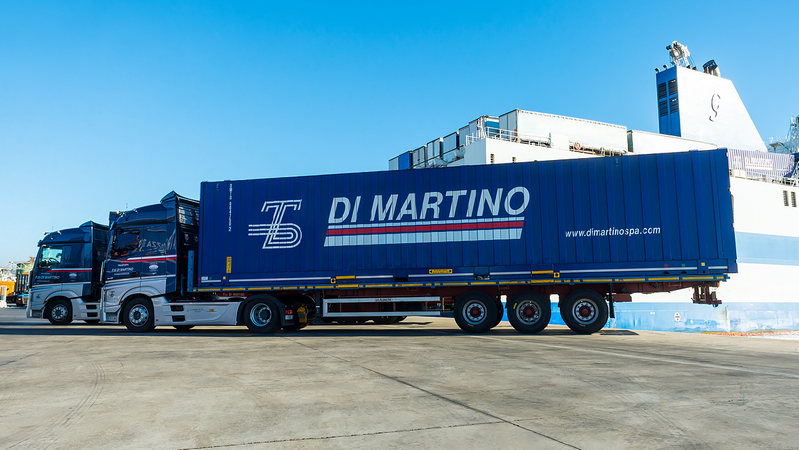
The route carries a wide range of goods and consumer products, with no restrictions on shifting freight from road to rail. Each train has a maximum capacity of 1,600 tonnes, distributed across 34 loading units in both directions. The service allows the loading of semi-trailers, 30- and 45-foot containers, and 20- and 25-foot tank containers. A central operational element is the Nik handling system, an acronym for Neutral Intermodal Key, developed by TX Logistik, which makes it possible to load non-craneable semi-trailers onto rail in around two minutes, widening the range of vehicles compatible with rail transport.
Another significant change concerns the organisation of transhipment activities in Milan. Operations will no longer be handled at the Milan Segrate yard, but will be transferred to the Milan Smistamento Terminal, managed by Mist and Messina. The move allows TX Logistik to benefit from greater sorting capacity, larger operational spaces and smoother processes within the rail terminal. The new set-up is expected to support faster handling times and greater flexibility in managing intermodal flows, with operational benefits for freight forwarders and hauliers using the Italy–Germany connection.
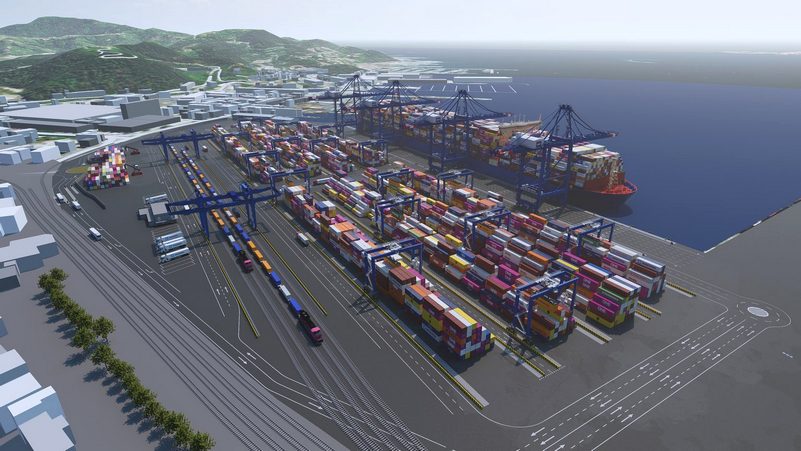
On the German side, the reference hub remains the Ziel Terminal in Duisburg, located in the Hohenbudberg port area, in which TX Logistik holds a stake. The terminal has seven 720-metre-long transhipment tracks, two sorting tracks and two gantry cranes dedicated to transferring loading units between road and rail. The facility represents a strategic node for connections with Italy and for integration with freight flows from northern Europe.
TX Logistik says the increase in frequencies responds to growing demand for rail freight transport between Germany and Italy. The capacity expansion is intended to ensure greater operational flexibility and higher planning reliability for logistics and transport operators, in a context marked by stable volumes and the need for reliable intermodal solutions along Europe’s main corridors.