









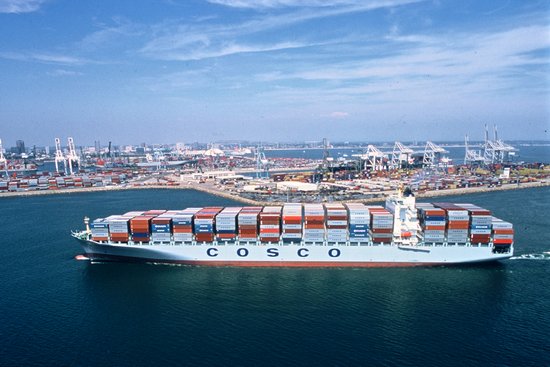
Following weeks of intense speculation and strong reactions from the global maritime industry, the Trump administration on 17 April 2025 unveiled the details of its controversial economic measures targeting Chinese-built vessels. The measures, which will come into force from 14 October 2025, represent a significant softening of the original proposals floated in February, but tensions between Washington and Beijing remain high. The final plan imposes tariffs both on ships owned and operated by Chinese entities, and on those built in China but operated by companies from other countries that call at US ports. The White House has stated that the move is aimed at countering what it describes as Chinese “dominance” in maritime transport, logistics and shipbuilding, with the broader goal of revitalising American shipyards and strengthening national supply chain resilience.
For vessels owned and operated by Chinese entities, the measure introduces an initial fee of 50 dollars per net ton for each first arrival at a US port per voyage. This amount is set to rise steadily over the coming years, with annual increases of 30 dollars pushing the tariff to 140 dollars per net ton by April 2028. Crucially, the fee will be applied only once per voyage and no more than five times per year for any individual ship.
Ships built in China but operated by non-Chinese companies will also be subject to duties, although under a different tariff regime. Starting 14 October, these vessels will be required to pay either 18 dollars per net ton or 120 dollars per container unloaded—whichever is higher. As with Chinese-operated vessels, these charges will gradually increase, reaching 33 dollars per net ton or 250 dollars per container by April 2028.
A notable feature of the measure is the introduction of exemptions designed to ease the burden on specific categories of ships. Excluded from the tariffs will be smaller vessels, those involved in short-sea shipping, and ships arriving at US ports empty to load bulk exports such as coal or grain—sectors seen as vital to the American economy.
Beijing’s response was swift. The Chinese government immediately voiced its “strong dissatisfaction and firm opposition” to the announced measures, condemning them as an unjustified act of protectionism that would harm global trade and disrupt supply chain stability. A spokesperson for China’s Ministry of Commerce stated that Beijing would “resolutely take the necessary steps to safeguard its legitimate rights and interests,” though without specifying what retaliatory actions might be implemented.
The international shipping industry has reacted with a mix of relief and concern. While the dilution of the original tariff proposals has been welcomed by many operators—who had feared far more severe impacts on shipping costs—there remains deep unease about the potential long-term economic fallout. Analysts argue that even the reduced tariffs will drive up operational costs, which will inevitably be passed on to consumers and businesses. Furthermore, there is a real risk of Chinese countermeasures that could affect other sectors of the US economy.
Several shipowners’ associations have voiced concerns about potential market distortions and the increased bureaucracy and administrative costs tied to implementing the new tariffs. However, within the US, there are also strong voices in favour of the measures, with some arguing they are necessary to protect the domestic shipbuilding industry and to ensure greater economic security.