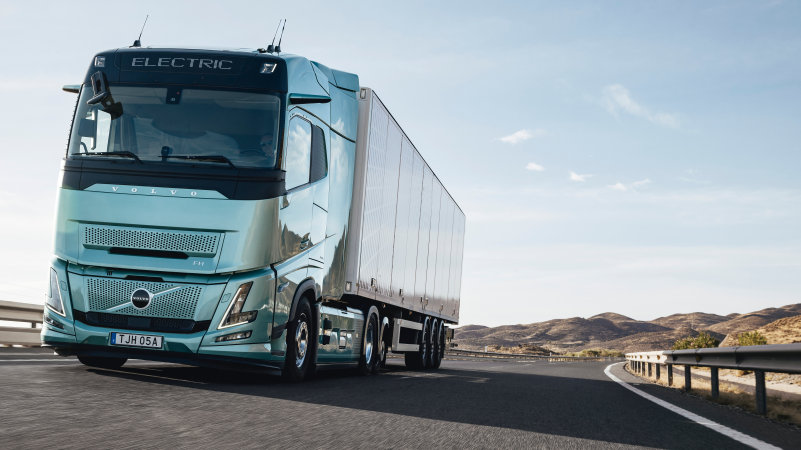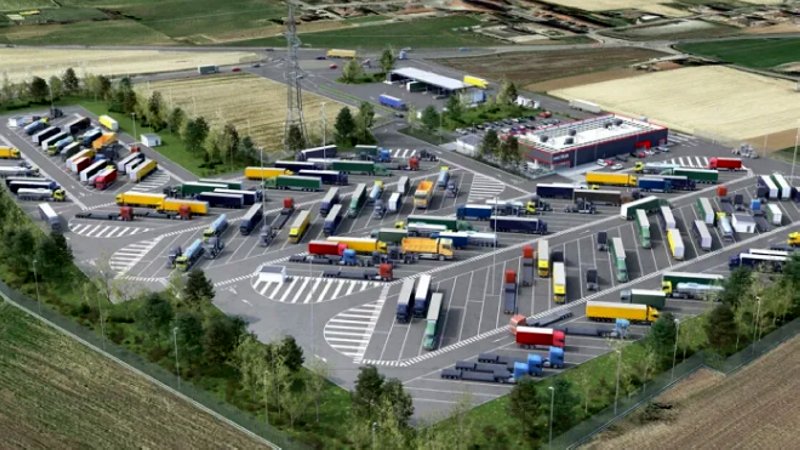








German public television channel Ard aired an investigation on its PlusMinus programme comparing controls on heavy goods vehicles in Italy and Germany, concluding that the Italian system is more effective. The report starts from a well-known fact: hundreds of trucks travel on German motorways driven by operators who do not meet legal requirements, hired through intermediary agencies operating in a grey area between social dumping and criminal activity. The key finding is the identification of Italy as a country that has developed an effective response to the problem.
The mechanism described by the German journalists shows that in Germany the shortage of drivers has created space for a network of agencies, mainly based in Lithuania, recruiting drivers from Central Asia and Africa. Job offers circulate in Cyrillic script on classified portals targeting citizens of former Soviet republics. The cost of a driver hired through such intermediaries can fall to around €145 per day, including charges, compared with a minimum of more than €400 per day for a driver regularly employed in Germany with full insurance and social security coverage. This gap fuels unlawful competition that penalises both exploited workers and compliant hauliers.
From a regulatory perspective, EU rules require every driver working in another Member State to hold an A1 certificate, issued by the competent insurance body, confirming the applicable social security regime and identifying the employer. In Germany, however, there is no obligation to carry the document on board or present it during roadside checks, unlike in Belgium or Austria. Access to the European A1 certificate database is restricted to Zoll (Customs), which carries out roadside checks only sporadically and mainly for anti-drug or anti-smuggling purposes. The traffic police and the Bundesamt für Logistik und Mobilität (Balm), the federal authority responsible for inspections of commercial vehicles, do not have operational access to these data during routine checks.
One emblematic case cited in the Ard investigation is the special traffic police unit in Nuremberg-Feucht, which operates mainly at night with a maximum of three vehicles dedicated to trucks. Officers in that unit report a steady increase in drivers from Kazakhstan, Kyrgyzstan, Nepal and Africa holding documents that would not allow them to drive in Europe. Over the years, they have seized hundreds of false passports, driving licences and work permits. However, penalties remain relatively limited and are not sufficient to deter companies from repeating the scheme.
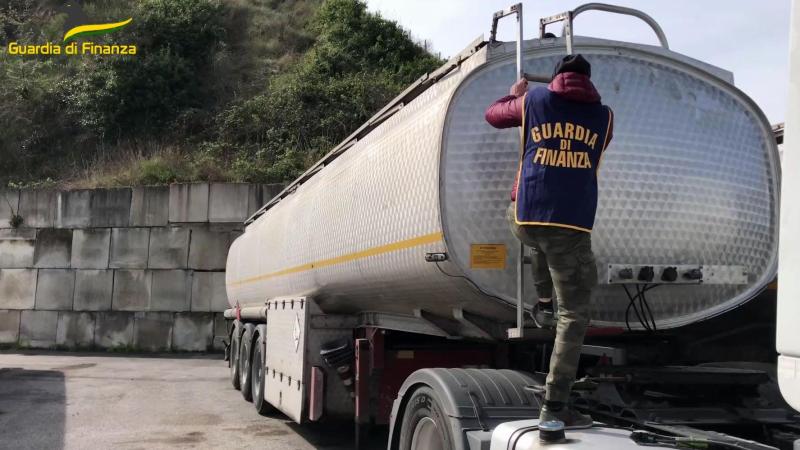
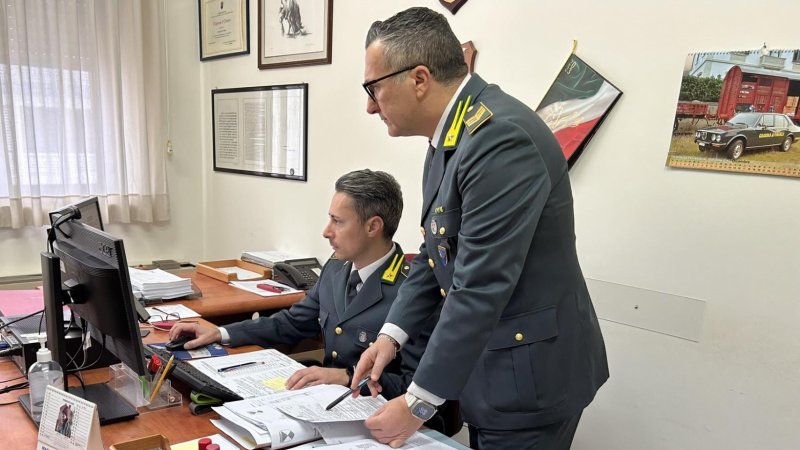
It is in this context that the PlusMinus report introduces a comparison with the Italian system, presenting it as concrete proof of what can be achieved with regulatory tools already available at European level. In Italy, in addition to the obligation for drivers to carry the A1 certificate in the cab, legislation requires hauliers to submit the certification digitally in advance for every foreign driver entering the country. This mechanism creates a database that can be consulted in real time: any police officer or inspection official can check via mobile phone or tablet whether a valid A1 exists for a specific driver, and identify the employer and the insurance body. Italian Authorities told German journalists that the system’s effectiveness lies in its ability to systematically cross-check employment data with tax and social security obligations.
The most significant result concerns penalties. According to Ard journalists, the unlawful supply of labour or the use of drivers without adequate coverage is automatically linked to potential tax and social security evasion, paving the way for substantial fines against contracting logistics companies. In this regard, the report refers to investigations carried out in Italy, particularly by the Procura di Milano (Milan Public Prosecutor’s Office), involving major logistics multinationals and their clients, now well known to the Italian public.
The comparison between the two systems highlights structural differences that go beyond individual rules. In Italy, the A1 certificate acts as the digital backbone of the entire control framework: advance data submission, widespread access to information for all enforcement bodies, and automatic links to tax and social security regulations create a chain of responsibility extending to large transport and e-commerce multinationals. In Germany, by contrast, registers are fragmented at Land level, there is no unified national reporting system, and traffic police operate largely in isolation from social security institutions. As a result, evidence gathered during roadside checks rarely leads to structured enforcement action.
The Ard investigation concludes with an observation that reads as a call to action for German lawmakers: unless the regulatory framework changes, low-cost driver offers will continue to thrive, and German motorways will remain exposed to risks linked to poorly trained, exhausted or improperly documented drivers. The weakness of the system harms not only exploited workers but also compresses the margins of compliant hauliers through unlawful competition, while shifting onto road infrastructure the costs of safety that is not ensured upstream.
M.L.