






- The shutdown of the Strait of Hormuz since 2 March 2026 has disrupted one of the world’s main energy corridors. According to the International Energy Agency (IEA), flows of crude oil and refined products have dropped from about 20 million barrels a day to minimal volumes, effectively blocking a significant share of global fuel trade.
- The reduction in exports from the Gulf is directly affecting the jet fuel market. Europe used to import up to 20–30% of its aviation fuel from the region and, according to energy data company Kpler, around 300,000 barrels a day of supply have suddenly disappeared, creating strong pressure at major airports.
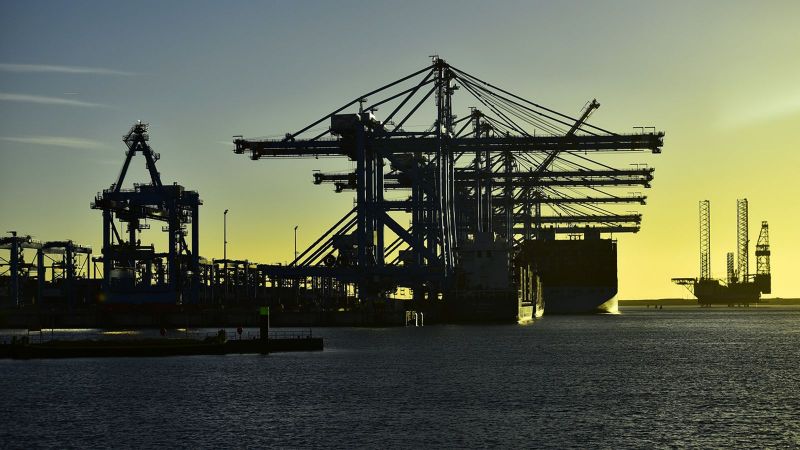
- Maritime transport is also facing a shock in the bunker fuel market. The disruption of the Fujairah hub and rising crude prices are pushing up marine fuel costs, while longer routes and the redistribution of stocks are reshaping the global logistics of fleet refuelling.
The closure of the Strait of Hormuz has once again placed one of the world’s most critical energy transit points at the centre of the global logistics system. Since 2 March 2026, shipping through the strait linking the Persian Gulf to the Indian Ocean has effectively stopped, after Iranian authorities issued radio warnings ordering vessels not to proceed. Within a few hours, more than 150 oil and gas tankers halted in the region and commercial traffic fell by around 80% compared with normal levels.
The impact extends well beyond crude oil. The availability of so-called middle distillates, including aviation fuel and marine diesel, is also being affected. Refineries in Saudi Arabia, the United Arab Emirates, Kuwait, Iraq and Qatar form one of the world’s main production hubs for jet fuel and marine fuels. Before the crisis, a significant share of these products was exported to Europe and Asia through the Strait of Hormuz.
According to analysis by energy data firm Kpler, the closure removes about 21% of the global seaborne supply of jet fuel. Europe is among the most exposed regions: around 300,000 barrels per day of imports from the Gulf have disappeared, including 247,000 barrels destined for north-west Europe, the area that includes the logistics and oil hubs of Amsterdam, Rotterdam and Antwerp. The International Air Transport Association (IATA) reports that up to 20–30% of Europe’s aviation fuel demand depended on flows from the Middle East, while tanker traffic through the strait has collapsed by between 70% and 80%, cutting off one of the main supply arteries for European and Asian airports.
The immediate consequence has been a rapid increase in jet fuel prices. In major Asian hubs, prices have surged sharply: in Singapore, the rise has reached as much as 140% compared with pre-crisis levels. In Europe, aviation fuel delivered in north-west Europe rose by at least 15% during the first week of March, with forecasts pointing to far larger increases compared with the levels recorded at the start of the year.
These pressures are compounded by war risk insurance premiums and higher logistics costs. Alternative tanker routes, often longer and more complex, increase delivery times and reduce vessel availability. This translates into higher effective procurement costs for airport fuel supplies and greater volatility, making purchasing strategies more difficult to plan.
Airlines are responding with several operational measures. One of the most immediate is the introduction or expansion of fuel surcharges on air tickets, particularly on intercontinental routes. At the same time, some carriers are adopting tankering practices, loading larger quantities of fuel at airports where jet fuel is more available or cheaper in order to reduce refuelling at more critical hubs. Another response concerns route and frequency planning. Some airlines are cutting less profitable connections and concentrating capacity on airports with greater fuel availability. In parallel, there is growing use of long-term supply contracts and financial hedging instruments to limit exposure to market volatility.
If the crisis continues, analysts do not rule out tensions in physical availability as well. Some airports heavily dependent on imports could be forced to introduce temporary limits on the amount of fuel available per flight or per operator, particularly during peak traffic periods.
The energy shock is also strongly affecting maritime transport. The market for ship fuels is closely linked both to crude prices and to the availability of refined products. The closure of Hormuz disrupts a significant share of marine fuel exports from the Gulf and directly affects one of the world’s main bunkering hubs, the port of Fujairah in the United Arab Emirates. According to analyses reported by Maritime Executive and ICIS, bunker prices have increased by between 30% and 40% in numerous ports. In some Asian hubs the price of VLSFO, the low-sulphur marine fuel, has exceeded $1,000 per tonne. The increase reflects both rising crude prices and logistical difficulties linked to the redistribution of stocks.
The crisis has also intensified regional disparities in fuel availability. Some parts of the world still hold sufficient inventories, while others are moving into deficit. According to Maersk, shipping companies are actively reorganising their bunker logistics, redistributing stocks between different ports in order to ensure supplies for their fleets.
Maritime route deviations are further complicating the situation. With the Strait of Hormuz considered high risk and the Red Sea already under pressure for security reasons, a growing share of commercial traffic is being diverted around the Cape of Good Hope. Longer voyages increase fuel consumption per trip and reduce the number of annual rotations ships can complete, effectively compressing global fleet capacity.
In this environment, planning refuelling operations is becoming increasingly complex. Shipowners must select bunkering ports more carefully and assess local fuel availability, delivery times and prices. Managing onboard stocks and supply contracts therefore becomes a central element in fleet operations.
Some analysts are also considering temporary regulatory interventions to ease pressure on the marine fuel market. Among the proposals under discussion is a possible temporary derogation from International Maritime Organization (IMO) rules on fuel sulphur content. The idea would be to allow wider use of high-sulphur fuel oil, which is more abundant and cheaper, thereby freeing up distillates that could be redirected towards diesel and jet fuel production.
In addition, several governments are evaluating support measures for the sectors most exposed. Options include temporary tax interventions on fuels, financial aid for transport operators and, in more critical scenarios, priority access mechanisms to ensure fuel supplies for essential services.
Over the medium term, the Strait of Hormuz crisis could accelerate structural changes already under way in the global energy logistics system. These include greater geographical diversification of refineries and fuel storage facilities, stronger attention to strategic reserves in major airport and port hubs, and increased focus on energy efficiency strategies across both air and maritime fleets.
P.R.