


Array ( [0] => 8 [1] => 41 )

Podcast K44

Cronaca

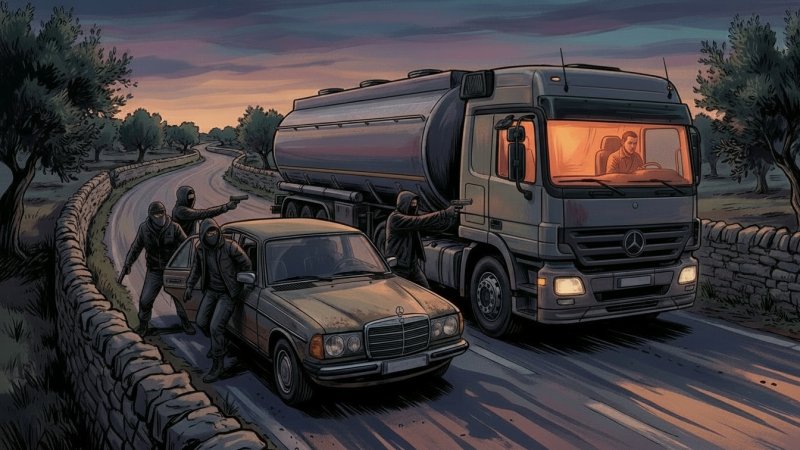
  • Quattro arresti in Puglia per rapine ai camion

    Quattro arresti in Puglia per rapine ai camion

    La Polizia ha fermato quattro uomini tra Andria e la provincia di Bari dopo due assalti a veicoli industriali. Le indagini, partite da una rapina a Margherita di Savoia, hanno ricostruito una rete di ricettazione di alimentari emiliani.

Normativa

Mare

  • Acque piuttosto calme per i noli container a fine aprile 2026

    Acque piuttosto calme per i noli container a fine aprile 2026

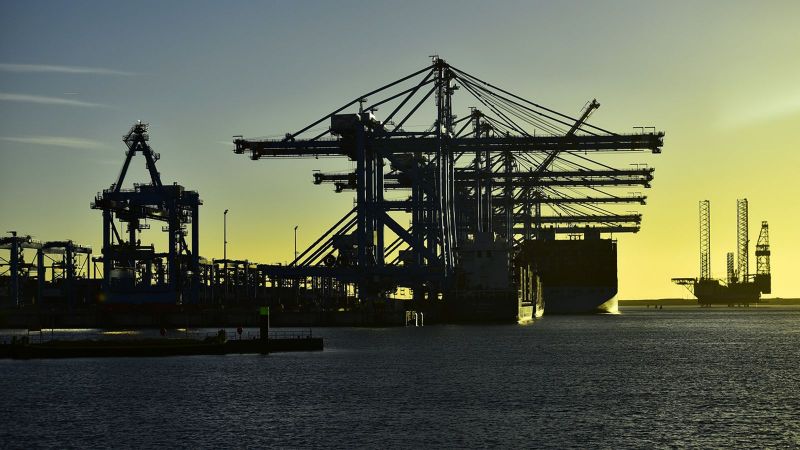
    I noli del trasporto marittimo di container scendono alla fine di aprile 2026 per la terza settimana consecutiva, mentre l’eccesso di capacità contiene i rincari. Da maggio le compagnie tenteranno di difendere i ricavi con cancellazioni di partenze e nuovi sovrapprezzi sulle rotte transpacifiche.

Autotrasporto

  • Rotte stradali pakistane per evitare lo Stretto di Hormuz

    Rotte stradali pakistane per evitare lo Stretto di Hormuz

    Il Pakistan ha autorizzato sei corridoi stradali per il transito di merci dirette in Iran dai porti di Karachi, Port Qasim e Gwadar. Il provvedimento risponde all’accumulo di container negli scali marittimi causato dalle restrizioni ai traffici marittimi nello stretto di Hormuz.

    Greek tankers defy the Revolutionary Guards in Hormuz

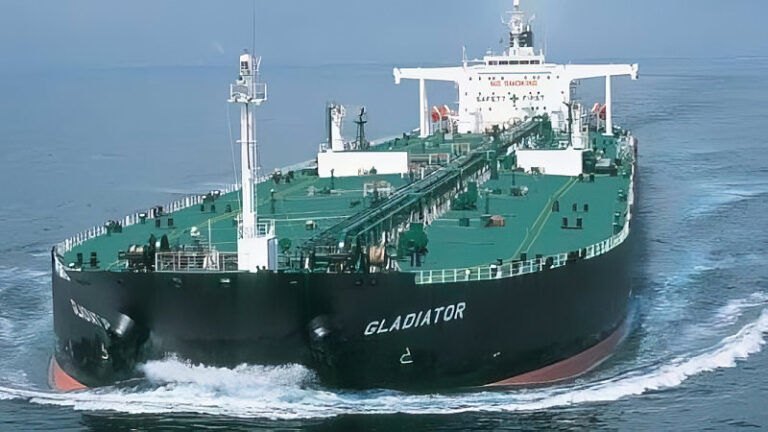
    Foto: Dynacom

    Since the end of February 2026, the Strait of Hormuz has become one of the most dangerous maritime areas in the world. Iran’s Islamic Revolutionary Guard Corps has claimed responsibility for a series of drone and missile attacks against commercial vessels in the area, triggering a collapse in traffic of more than 91% compared with normal levels. Maritime tracking platforms show hundreds of tankers waiting in the Persian Gulf, unable or unwilling to complete the passage towards the Gulf of Oman and the Arabian Sea. According to estimates by Greek analysts, between 100 and 150 of these ships are owned by Greek interests, with at least 80–85 Greek seafarers directly involved in the crisis.

    Against this backdrop, the shipping group controlled by George Prokopiou — and in particular its subsidiary Dynacom Tankers Management — has taken a different approach. Between 9 and 10 March 2026, five tankers from the Dynacom fleet are reported to have already crossed, or to be crossing, the Strait, making them among the very few large commercial vessels to do so since the crisis began. The most documented case is that of the Shenlong, a Suezmax-class tanker. The vessel loaded around one million barrels of Saudi crude at the Ras Tanura terminal in Saudi Arabia and left the Persian Gulf on 4 March bound for Hormuz. On that same date — according to data from the platforms Kpler, Lloyd’s List Intelligence and MarineTraffic — the Shenlong disappeared from tracking systems for almost five days. The signal reappeared on 9 March off India’s western coast, with Mumbai as its destination. This suggests that the passage through Hormuz took place during the period in which the vessel was invisible to civilian tracking systems.

    George Prokopiou is one of the world’s most influential private shipowners. Born in Athens in 1946, he controls an empire that includes Dynacom Tankers for oil tankers, Dynagas for LNG transport and Sea Traders for dry bulk cargo, with more than 150 ships under management and around 85 vessels under construction. He is known for his ability to operate in geopolitically high-risk environments. In the past, Prokopiou was placed by Ukraine on a list of “international sponsors of the war” because of the role of his vessels in transporting Russian crude within the limits of the European price cap. The label was later withdrawn, but it reinforced his reputation as a shipowner willing to accept significant political risk in exchange for higher economic returns.

    The logic behind the decision to continue transits through Hormuz is similar. According to the Wall Street Journal, sending five tankers into the Strait at this moment represents “one of the boldest moves” of Prokopiou’s career. The reasoning is twofold: in a situation where almost no competitors are willing to transit, those who continue can command exceptionally high freight rates, thanks to transport demand that remains strong — particularly from Asia — and a supply of tanker capacity that has suddenly become extremely scarce. At the same time, even partially maintaining the flow of crude exports from the Gulf helps prevent a further surge in global energy prices, with reputational implications for the Greek shipowner.

    Operationally, the Shenlong’s passage was not without precautions. Dynacom tankers are reported to have embarked armed security teams and adopted reinforced navigation protocols in line with guidelines from Western navies and instructions issued by the Greek Ministry of Shipping. In addition to standard insurance cover, the voyages were reportedly backed by specific policies with very high premiums, structured in a way that kept the operation economically viable in light of the exceptional freight rates. Crews were offered special allowances, including salary increases and compensation in the event of death or disability, to persuade them to accept the risks associated with the transit.

    The lack of tracking was most likely the result of the deactivation of the AIS, one of the most debated aspects of the entire episode. The practice — which temporarily makes a vessel invisible to public tracking systems, though not to local radar — is intended by operators to reduce exposure to potential hostile actions. However, it is legally controversial and raises safety and transparency concerns, as this operating mode also limits oversight by other sea users and maritime authorities.

    Greece is the country most exposed to the crisis in the private shipping sector. It controls around 30% of the global tanker fleet, and the immobilisation of 100–150 Greek-owned vessels in the area has direct consequences for both the industry and the national economy. The Greek Ministry of Shipping has issued continuous alerts to ships sailing under the Greek flag or linked to Greek interests, stressing that any formal closure of the Strait would have devastating effects not only for the merchant fleet but for the entire global economy. Greek institutions and public opinion are caught between the central role of the maritime sector for the country and concern for the lives of seafarers, in a scenario in which the decisions of Prokopiou and Dynacom push that tension to its extreme limits.

    P.R.

    © TrasportoEuropa - Riproduzione riservata - Foto di repertorio
    Segnalazioni, informazioni, comunicati, nonché rettifiche o precisazioni sugli articoli pubblicati vanno inviate a: redazione@trasportoeuropa.it


      Puoi commentare questo articolo nella pagina Facebook di TrasportoEuropa

      bottone newsletter piccolo Vuoi rimanere aggiornato sulle ultime novità sul trasporto e la logistica e non perderti neanche una notizia di TrasportoEuropa? Iscriviti alla nostra Newsletter con l'elenco ed i link di tutti gli articoli pubblicati nei giorni precedenti l'invio. Gratuita e NO SPAM!


    CONTENUTI SPONSORIZZATI


Videocast K44

Aereo

  • Hormuz abbassa il cargo aereo a marzo 2026

    Hormuz abbassa il cargo aereo a marzo 2026

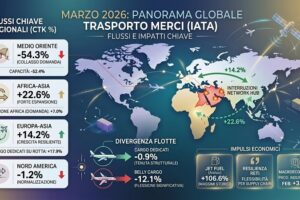
    Il conflitto in Medio Oriente ha paralizzato gli hub della regione e ridisegnato le rotte mondiali del trasporto aereo delle merci. Secondo la Iata, a marzo 2026 la domanda globale è scesa del 4,8% su base annua, mentre il raddoppio del prezzo del carburante avio spinge verso l'alto tariffe e …

Ferrovia

  • Fermerci chiede sostegni per il rilancio del treno

    Fermerci chiede sostegni per il rilancio del treno

    L’assemblea degli associati Fermerci registra otto nuove adesioni nei primi quattro mesi del 2026, ma segnala la pressione sul trasporto ferroviario merci: interruzioni legate al Pnrr, traffici in calo e attesa di misure su materiale rotabile e incentivi.

Persone

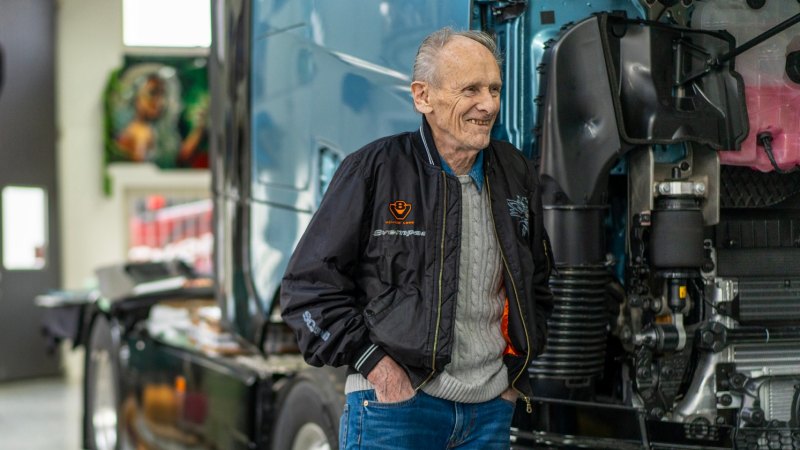
  • È morto Sven‑Erik “Svempa” Bergendahl, artista del camion

    È morto Sven‑Erik “Svempa” Bergendahl, artista del camion

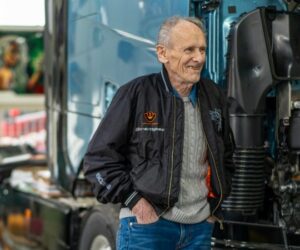
    Il 28 aprile 2028 è morto all’età di 87 anni Sven‑Erik Bergendahl, meglio conosciuto nel mondo del veicolo industriale come “Svempa”. Dagli anni Settanta del secolo scorso ha realizzato versioni speciali di camion Scania, esposte in eventi di tutta Europa.
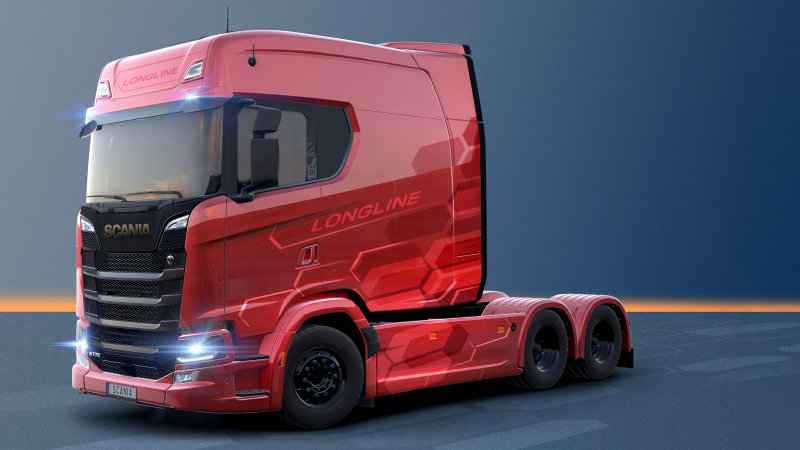
Scania allunga la cabina col modello Longline

TECNICA

Scania allunga la cabina col modello Longline
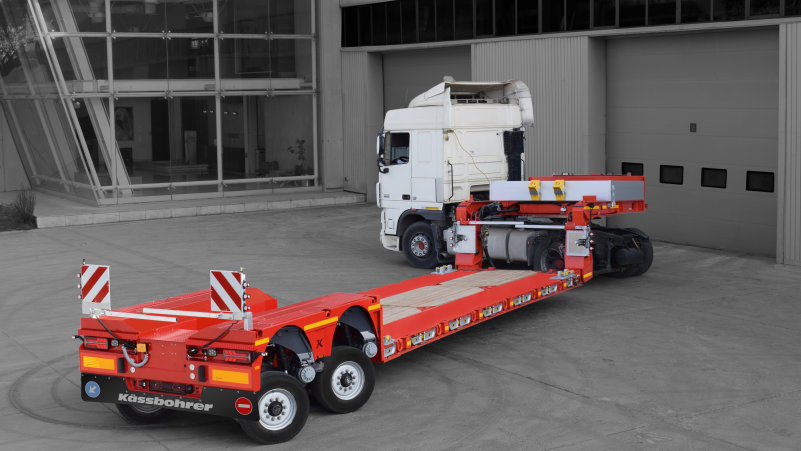
Kässbohrer amplia l’offerta per i trasporti eccezionali

TECNICA

Kässbohrer amplia l’offerta per i trasporti eccezionali
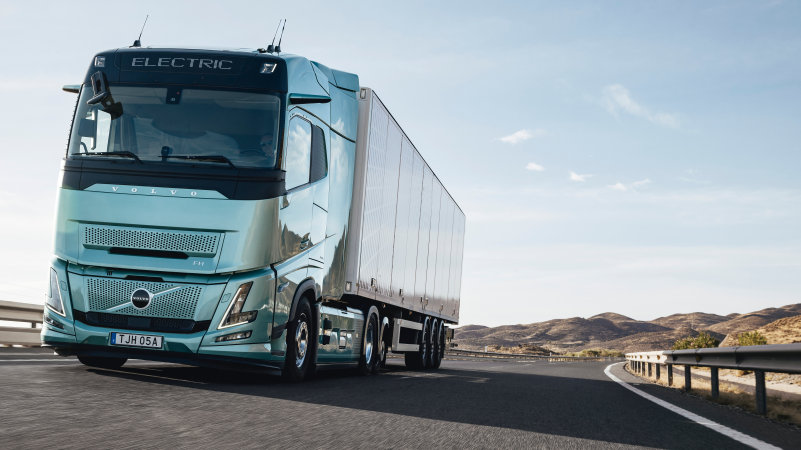
Volvo presenta il camion elettrico da 700 km

TECNICA

Volvo presenta il camion elettrico da 700 km
Yale aumenta la sicurezza dei pedoni nella logistica

TECNICA

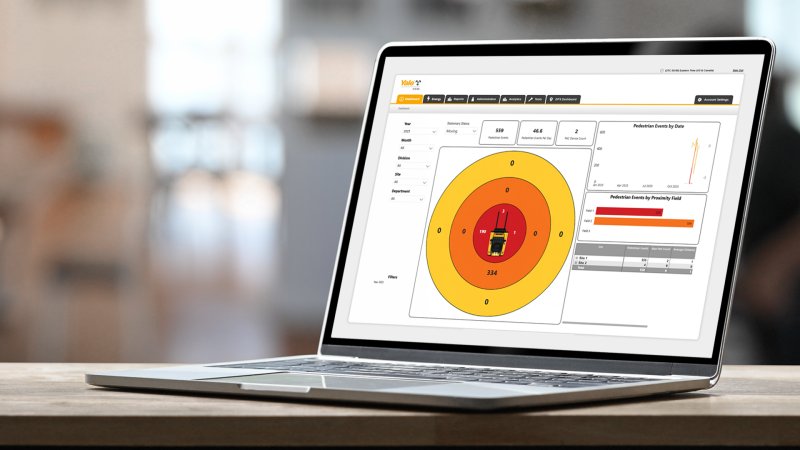
Yale aumenta la sicurezza dei pedoni nella logistica
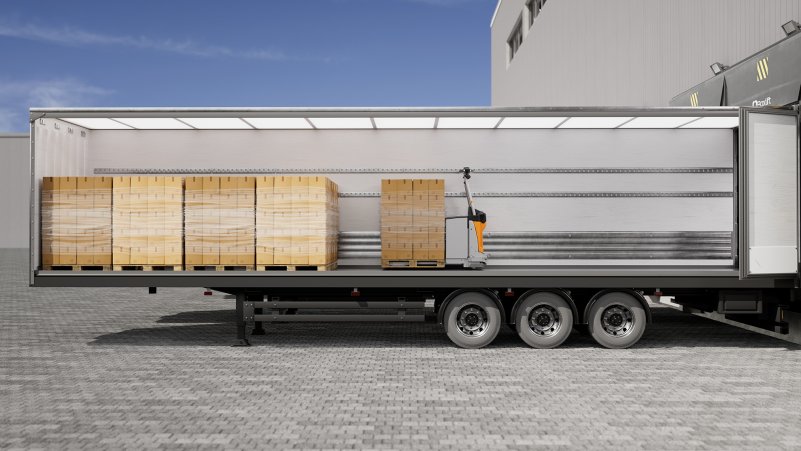
Still automatizza carico e scarico dei camion

TECNICA

Still automatizza carico e scarico dei camion
previous arrow
next arrow
Bruxelles apre agli aiuti di Stato per per affrontare la crisi di Hormuz

LOGISTICA

Bruxelles apre agli aiuti di Stato per per affrontare la crisi di Hormuz
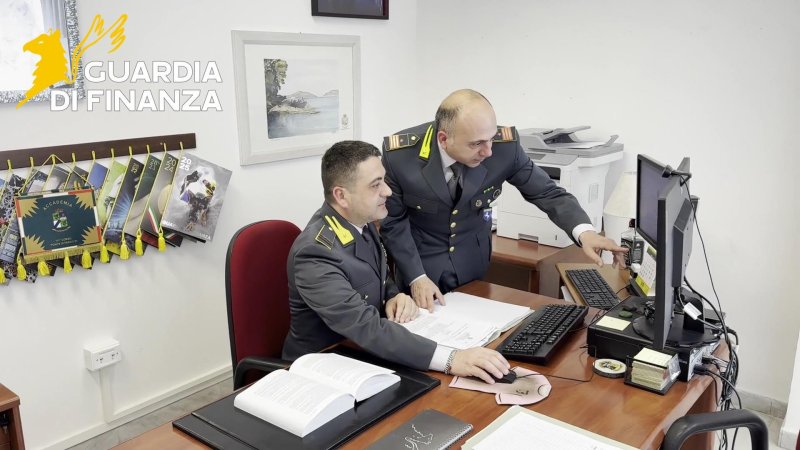
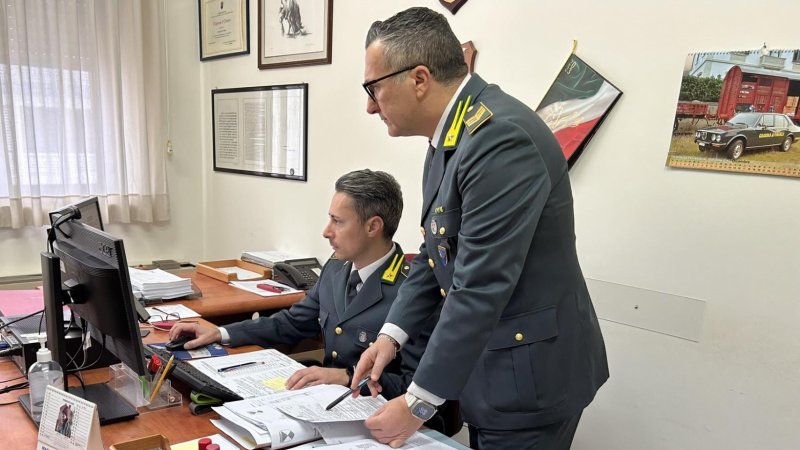
Frode da 166 milioni nella logistica per Gdo in Campania

LOGISTICA

Frode da 166 milioni nella logistica per Gdo in Campania
Spediporto punta sulla Zls per Genova

LOGISTICA

Spediporto punta sulla Zls per Genova
Maurelli gestisce la logistica dei ricambi Lamberet in Italia

LOGISTICA

Maurelli gestisce la logistica dei ricambi Lamberet in Italia
La crisi di Hormuz può favorire la logistica europea

LOGISTICA

La crisi di Hormuz può favorire la logistica europea
previous arrow
next arrow
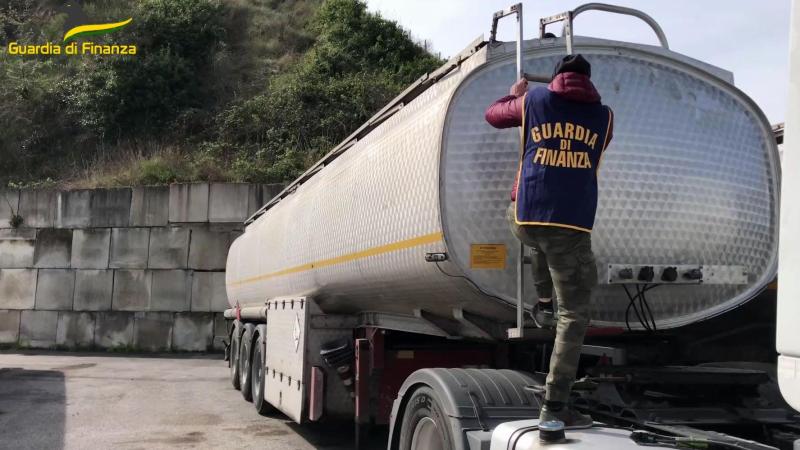
Operazione Red Gold contro frode nei carburanti in Abruzzo

ENERGIE

Operazione Red Gold contro frode nei carburanti in Abruzzo
Quattro indagati per uso stradale di gasolio agricolo nel Salento

ENERGIE

Quattro indagati per uso stradale di gasolio agricolo nel Salento
Il taglio delle accise è prorogato fino al primo maggio

ENERGIE

Il taglio delle accise è prorogato fino al primo maggio
Petrolio sopra 110 dollari al barile dopo dichiarazioni di Trump

ENERGIE

Petrolio sopra 110 dollari al barile dopo dichiarazioni di Trump
Scoperti a Fiumicino i vampiri del carburante per aerei

ENERGIE

Scoperti a Fiumicino i vampiri del carburante per aerei
previous arrow
next arrow
Transporeon introduce la ricerca con l’intelligenza artificiale

SERVIZI

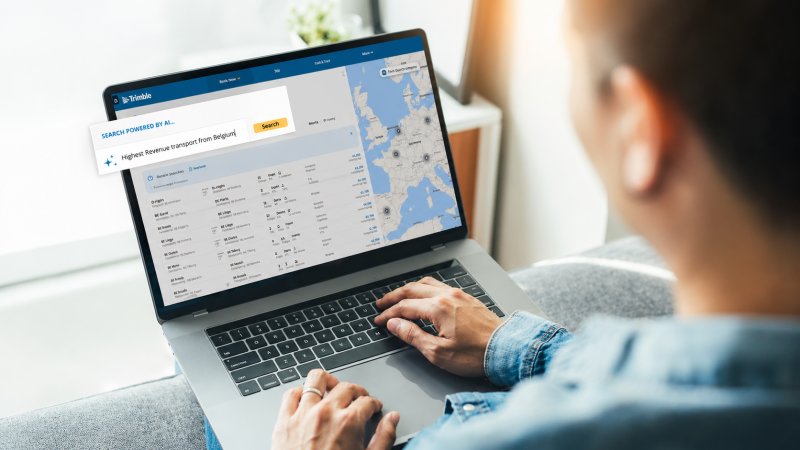
Transporeon introduce la ricerca con l’intelligenza artificiale
Nasce Synlog Alliance consorzio dati per la logistica

SERVIZI

Nasce Synlog Alliance consorzio dati per la logistica
Sogedim potenzia le spedizioni per America Latina con Eagle Service

SERVIZI

Sogedim potenzia le spedizioni per America Latina con Eagle Service
Leviahub cresce in Spagna con due acquisizioni

SERVIZI

Leviahub cresce in Spagna con due acquisizioni
Trans.eu cresce in Italia con la borsa carichi relazionale

SERVIZI

Trans.eu cresce in Italia con la borsa carichi relazionale
L’evoluzione della borsa carichi autotrasporto è relazionale

SERVIZI

L’evoluzione della borsa carichi autotrasporto è relazionale
Padrosa realizzerà un parcheggio per camion ad Alessandria

SERVIZI

Padrosa realizzerà un parcheggio per camion ad Alessandria
Leviahub e Pionira accelerano sull’adozione dell’eCmr

SERVIZI

Leviahub e Pionira accelerano sull’adozione dell’eCmr
Trans.eu avvia il pagamento sicuro per l’autotrasporto europeo

SERVIZI

Trans.eu avvia il pagamento sicuro per l’autotrasporto europeo
Sanilog rinnova nel 2026 il piano sanitario per lavoratori della logistica

SERVIZI

Sanilog rinnova nel 2026 il piano sanitario per lavoratori della logistica
L’IA si sta sempre più integrando nel trasporto

SERVIZI

L’IA si sta sempre più integrando nel trasporto
Scania amplia la rete di assistenza nel Lazio

SERVIZI

Scania amplia la rete di assistenza nel Lazio
Nuovi contributi per cibersicurezza alle Pmi e autonomi

SERVIZI

Nuovi contributi per cibersicurezza alle Pmi e autonomi
Dkv Mobility presenta un nuovo software per gestione trasporti

SERVIZI

Dkv Mobility presenta un nuovo software per gestione trasporti
Forto nomina Matteo Caiti Country Manager Italia

SERVIZI

Forto nomina Matteo Caiti Country Manager Italia
previous arrow
next arrow