



Array ( [0] => 10156 [1] => 8 )

Podcast K44

Cronaca

  • Un evento per ricordare Lorenzo Bressan

    Un evento per ricordare Lorenzo Bressan

    A Pradipaldo-Zeggio, nell’Alto Vicentino, la Sfilata sulla Neve ha ricordato Lorenzo Bressan, detto "Caccia", cofondatore dell’associazione Highway Truck Team di Thiene, morto vent’anni fa. All’evento hanno partecipato anche rappresentanti legati alla Lega Autisti Autotrasportatori Indipendenti Siciliani Nazionali.

Transpotalk

Normativa

Mare

  • La Cina multa nove compagnie di navigazione sui noli

    La Cina multa nove compagnie di navigazione sui noli

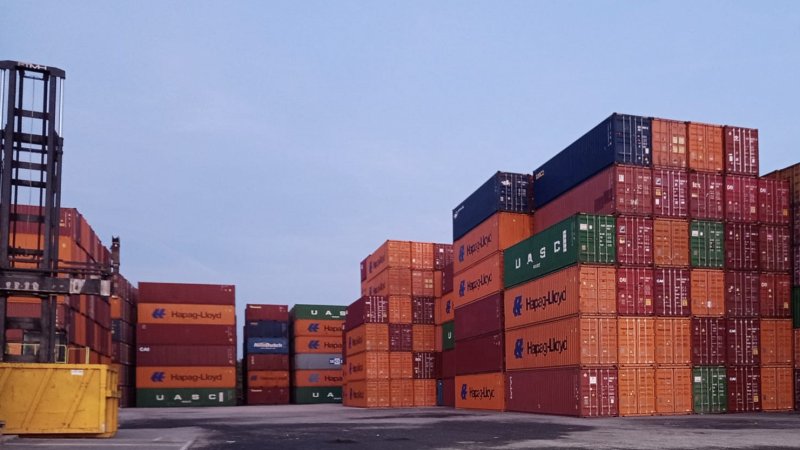
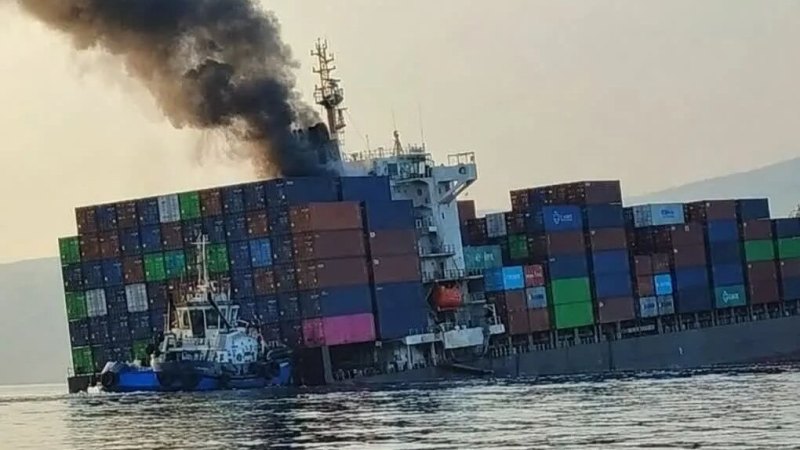
    Il ministero dei Trasporti di Pechino ha sanzionato Msc, Cma Cgm e Hapag-Lloyd per discrepanze tra le tariffe dichiarate e quelle effettivamente applicate. L'intervento s’inserisce in una strategia regolatoria di lungo periodo e annuncia ispezioni più frequenti su tutti gli operatori attivi nelle rotte da e verso la Cina.

Autotrasporto

  • Mega-risarcimento negli Usa per discriminazione sulle camioniste

    Mega-risarcimento negli Usa per discriminazione sulle camioniste

    La società di autotrasporto statunitense Central Transport ha accettato di versare 5,5 milioni di dollari (circa 4,9 milioni di euro) per chiudere la causa federale intentata dall'Eeoc, che ha documentato con dati statistici, testimonianze e riscontri interni una discriminazione sistematica nell'assunzione di conducenti donne, protratta per almeno un decennio su …

    US shutdown puts air cargo under pressure

    The suspension of funding for the Department of Homeland Security (DHS), in effect since 13 February 2026 due to a political impasse over immigration and border security, is placing increasing strain on the United States’ air cargo infrastructure. The most immediate impact is being felt by the Transportation Security Administration (Tsa) and Customs and Border Protection (Cbp), the agencies responsible for cargo screening and customs operations respectively, which are now operating with reduced staff, irregular pay or under significant contractual uncertainty.

    The 2026 shutdown is not an isolated episode. It follows a period already marked by the prolonged federal shutdown of 2025, when a shortage of air traffic controllers forced the Federal Aviation Administration (FAA) to order a 10% reduction in flight movements across 40 major high-volume airports. That measure, adopted with the support of the Trump administration, applied to the 06:00–10:00 time window and, although it did not explicitly target cargo flights, directly reduced bellyhold capacity available for freight carried on passenger aircraft. According to Airlines for America, a 10% reduction in flights generates daily losses of between $285 million and $580 million (€260 million to €530 million) for the travel economy, excluding indirect impacts on supply chains. After the first week of the 2025 shutdown, estimates already pointed to more than $1 billion (around €920 million) in lost domestic travel spending.

    The Airforwarders Association (Afa), representing US freight forwarders, raised the alarm in the early weeks of the shutdown, reporting more than 300 resignations among Tsa agents within the first five weeks of the DHS funding freeze. According to the association, the primary risk is not an immediate collapse in security levels but a gradual deterioration in operational predictability. The erosion of human capital makes it more difficult to plan capacity and rotations, while extending cargo handling times at airport terminals. The Afa has repeatedly stressed that the smooth functioning of air cargo “is not optional”, but underpins the US economy and communities worldwide, and that a secure, predictable and adequately resourced aviation infrastructure is essential for the competitiveness of the national logistics system.

    The first critical link in the chain is cargo screening. With the Tsa operating at reduced capacity, the most immediate risks include warehouse backlogs, delayed departures and rising handling costs. At the same time, Cbp understaffing and limits on overtime are slowing customs clearance for both imports and exports, creating a multiplier effect at major coastal and transpacific gateways. Supply chain analysts note that customs bottlenecks at major hubs are prompting companies to reroute flows through alternative logistics corridors or redesign distribution networks, with implications that extend well beyond individual forwarders.

    Geographically, the most exposed airports are those serving as both passenger and cargo hubs: New York (Jfk, LaGuardia, Newark), Atlanta, Los Angeles, Denver, Orlando, Houston, Charlotte and Austin. At these airports, belly cargo accounts for a significant share of total capacity, meaning that reductions in passenger flights automatically translate into less available freight space. More insulated, at least partially, are dedicated cargo hubs such as FedEx in Memphis and Indianapolis and Ups in Louisville. These facilities operate primarily during night-time hours, which are less affected by daytime restrictions, and have contingency plans to prioritise critical shipments such as pharmaceuticals and medical supplies. However, these hubs also depend on Tsa agents for screening and Cbp officers for customs clearance, placing them at risk should the staffing crisis worsen.

    For all-cargo carriers, the combination of reduced slot availability and rising seasonal volumes — driven by e-commerce peaks, holidays and pharmaceutical demand — is producing what operators describe as a “double hit”: less capacity precisely when demand is increasing. FedEx and Ups have stated that they have rescheduled part of their operations to night-time windows and introduced internal prioritisation procedures for time-sensitive shipments. Freight forwarders, for their part, are responding with surcharges, premiums for guaranteed capacity, rerouting via alternative airports and, in the most critical cases, shifting to other transport modes — road, rail or sea — accepting longer transit times in order to contain costs.

    The political roots of the shutdown lie in the clash between the administration and Congress over a package of measures on border control and immigration reform. The Dhs budget has been allowed to lapse, turning the renewal of funding into a negotiating lever and effectively placing Tsa, Cbp, the Coast Guard and other agencies at the mercy of the legislative stalemate. As of late March 2026, the shutdown remains in place, although the Trump administration has announced a plan to temporarily restore Tsa payrolls without resolving the underlying political dispute.

    The consequences extend beyond the short term. Each shutdown creates backlogs in inspections, certifications and investment projects that persist well beyond the formal duration of the funding gap. Hiring freezes and the departure of skilled personnel weaken the system’s structural resilience, while delays in back-office activities — including security reviews, aircraft certification and approvals for new infrastructure — hamper the industry’s ability to modernise fleets and expand cargo facilities. Industry associations have long called for essential functions such as air traffic control, airport security and customs to be insulated from political budget disputes through funding mechanisms that guarantee operational continuity and workforce stability regardless of parliamentary negotiations.

    For Europe and its logistics operators, this instability is far from remote. The reliability of US aviation infrastructure is a prerequisite for the smooth functioning of transatlantic corridors handling high-value goods — including electronics, pharmaceuticals, luxury products and machinery — linking Europe’s main industrial centres, including Italy, to North American markets. Any structural slowdown at US airports translates into higher costs, longer transit times and greater uncertainty for exporting companies that rely on air freight as a competitive lever.

    Anna Maria Boidi

    © TrasportoEuropa - Riproduzione riservata - Foto di repertorio

    Segnalazioni, informazioni, comunicati, nonché rettifiche o precisazioni sugli articoli pubblicati vanno inviate a: redazione@trasportoeuropa.it

      Puoi commentare questo articolo nella pagina Facebook di TrasportoEuropa

      bottone newsletter piccolo Vuoi rimanere aggiornato sulle ultime novità sul trasporto e la logistica e non perderti neanche una notizia di TrasportoEuropa? Iscriviti alla nostra Newsletter con l'elenco ed i link di tutti gli articoli pubblicati nei giorni precedenti l'invio. Gratuita e NO SPAM!


    CONTENUTI SPONSORIZZATI


Videocast K44

Aereo

  • Il ministero Trasporti presenta il Piano Nazionale Aeroporti

    Il ministero Trasporti presenta il Piano Nazionale Aeroporti

    Il ministero dei Trasporti ha presentato il 12 maggio 2026 il Piano Nazionale degli Aeroporti 2026-2035, che fissa a 305 milioni di passeggeri l'anno l'obiettivo di capacità al 2035 e stanzia 1,2 miliardi di euro per i collegamenti ferroviari verso quattro scali strategici. Il documento aggiorna il quadro di pianificazione …

Ferrovia

  • La Procura ticinese valuta le responsabilità sull’incidente del Gottardo

    La Procura ticinese valuta le responsabilità sull’incidente del Gottardo

    Il pubblico ministero del Canton Ticino ha concluso l'inchiesta penale sullo svio del 10 agosto 2023 nella galleria di base del San Gottardo. Secondo una perizia commissionata dalla Procura, le FFS avrebbero potuto intervenire per limitare i danni, ignorando segnali d'allarme inequivocabili. La società respinge l’accusa.

Persone

  • È morto Sven‑Erik “Svempa” Bergendahl, artista del camion

    È morto Sven‑Erik “Svempa” Bergendahl, artista del camion

    Il 28 aprile 2028 è morto all’età di 87 anni Sven‑Erik Bergendahl, meglio conosciuto nel mondo del veicolo industriale come “Svempa”. Dagli anni Settanta del secolo scorso ha realizzato versioni speciali di camion Scania, esposte in eventi di tutta Europa.
Cisterne per idrocarburi pronte all’uso

TECNICA

Cisterne per idrocarburi pronte all’uso
Brigade integra sul camion radar e telecamere

TECNICA

Brigade integra sul camion radar e telecamere
Da Nivalis energia rinnovabile per raffreddare il semirimorchio

TECNICA

Da Nivalis energia rinnovabile per raffreddare il semirimorchio
ZF rilancia la trasmissione ibrida diesel-elettrica

TECNICA

ZF rilancia la trasmissione ibrida diesel-elettrica
Renault Trucks al Transpotec col T 780 elettrico da 660 km e noleggio

TECNICA

Renault Trucks al Transpotec col T 780 elettrico da 660 km e noleggio
previous arrow
next arrow
Un osservatorio per la legalità della logistica lombarda

LOGISTICA

Un osservatorio per la legalità della logistica lombarda
Idrogeno e biodiesel insieme per l’autotrasporto

LOGISTICA

Idrogeno e biodiesel insieme per l’autotrasporto
La logistica del freddo italiana tra costi energia e regole inadeguate

LOGISTICA

La logistica del freddo italiana tra costi energia e regole inadeguate
Il camion elettrico piace agli autisti tedeschi

LOGISTICA

Il camion elettrico piace agli autisti tedeschi
Fercam cresce in un contesto logistico complesso

LOGISTICA

Fercam cresce in un contesto logistico complesso
previous arrow
next arrow
Operazione Red Gold contro frode nei carburanti in Abruzzo

ENERGIE

Operazione Red Gold contro frode nei carburanti in Abruzzo
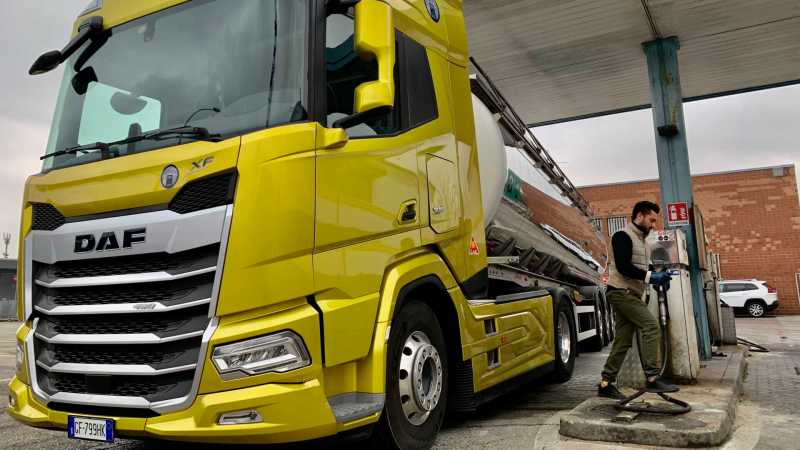
Quattro indagati per uso stradale di gasolio agricolo nel Salento

ENERGIE

Quattro indagati per uso stradale di gasolio agricolo nel Salento
Il taglio delle accise è prorogato fino al primo maggio

ENERGIE

Il taglio delle accise è prorogato fino al primo maggio
Petrolio sopra 110 dollari al barile dopo dichiarazioni di Trump

ENERGIE

Petrolio sopra 110 dollari al barile dopo dichiarazioni di Trump
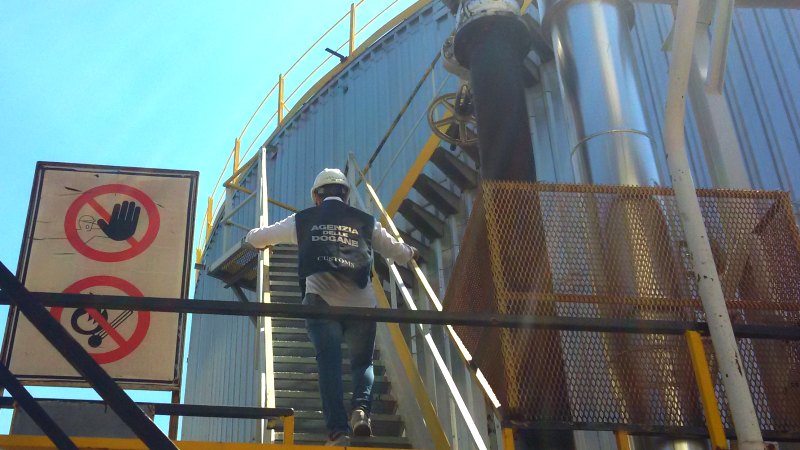
Scoperti a Fiumicino i vampiri del carburante per aerei

ENERGIE

Scoperti a Fiumicino i vampiri del carburante per aerei
previous arrow
next arrow
Come la logistica può guadagnare dalle multe Antitrust

SERVIZI

Come la logistica può guadagnare dalle multe Antitrust
Tra Genova e Barcellona l’asse della formazione per la logistica

SERVIZI

Tra Genova e Barcellona l’asse della formazione per la logistica
Transporeon introduce la ricerca con l’intelligenza artificiale

SERVIZI

Transporeon introduce la ricerca con l’intelligenza artificiale
Nasce Synlog Alliance consorzio dati per la logistica

SERVIZI

Nasce Synlog Alliance consorzio dati per la logistica
Sogedim potenzia le spedizioni per America Latina con Eagle Service

SERVIZI

Sogedim potenzia le spedizioni per America Latina con Eagle Service
Leviahub cresce in Spagna con due acquisizioni

SERVIZI

Leviahub cresce in Spagna con due acquisizioni
Trans.eu cresce in Italia con la borsa carichi relazionale

SERVIZI

Trans.eu cresce in Italia con la borsa carichi relazionale
L’evoluzione della borsa carichi autotrasporto è relazionale

SERVIZI

L’evoluzione della borsa carichi autotrasporto è relazionale
Padrosa realizzerà un parcheggio per camion ad Alessandria

SERVIZI

Padrosa realizzerà un parcheggio per camion ad Alessandria
Leviahub e Pionira accelerano sull’adozione dell’eCmr

SERVIZI

Leviahub e Pionira accelerano sull’adozione dell’eCmr
Trans.eu avvia il pagamento sicuro per l’autotrasporto europeo

SERVIZI

Trans.eu avvia il pagamento sicuro per l’autotrasporto europeo
Sanilog rinnova nel 2026 il piano sanitario per lavoratori della logistica

SERVIZI

Sanilog rinnova nel 2026 il piano sanitario per lavoratori della logistica
L’IA si sta sempre più integrando nel trasporto

SERVIZI

L’IA si sta sempre più integrando nel trasporto
Scania amplia la rete di assistenza nel Lazio

SERVIZI

Scania amplia la rete di assistenza nel Lazio
Nuovi contributi per cibersicurezza alle Pmi e autonomi

SERVIZI

Nuovi contributi per cibersicurezza alle Pmi e autonomi
previous arrow
next arrow