








Emirates expands capacity with B777-300ER
Emirates SkyCargo has put A6-EBK into service, the airline’s first Boeing 777-300ER Special Freighter, converted from a passenger aircraft in its own fleet. The aircraft’s entry into operation responds to growing demand for cargo capacity, driven by rising global goods flows, including e-commerce traffic. It is already being used on international routes between Dubai and several global markets. The conversion required a process lasting several months, with work on the fuselage, onboard systems and operational configuration, while maintaining aerodynamic performance and safety requirements. The main modifications included the full removal of the passenger interiors, the installation of a main-deck cargo door and a rigid barrier certified to withstand impacts of up to 9G. The floor was rebuilt with a reinforced structure to support heavier pallets, and a handling system with powered rollers, guides and locking devices was installed. The aircraft is also equipped with cargo monitoring systems, including smoke detectors and fire suppression. The environmental control system has been adapted to maintain suitable conditions for the transport of sensitive goods, including pharmaceuticals and perishables, with temperatures as low as 5°C. The conversion was completed after regulatory approvals were obtained through technical documentation, ground tests and flight assessments. In 2026, Emirates SkyCargo also received six newly built Boeing 777-F aircraft from March onwards, in addition to the first converted 777-300ER. A further four Boeing 777-F aircraft and another converted aircraft are expected to be delivered by the end of the year.
Ceva grows in China
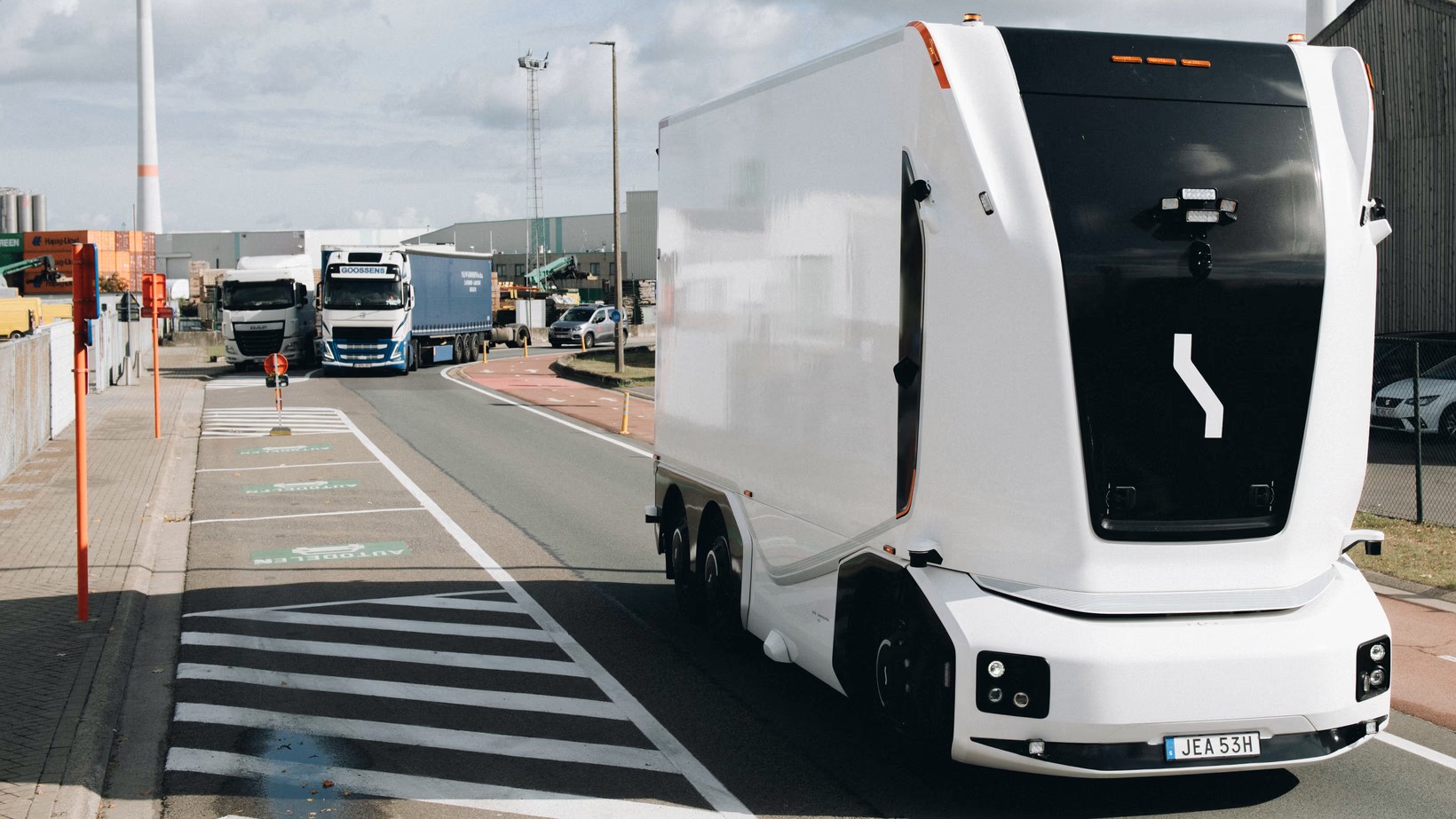
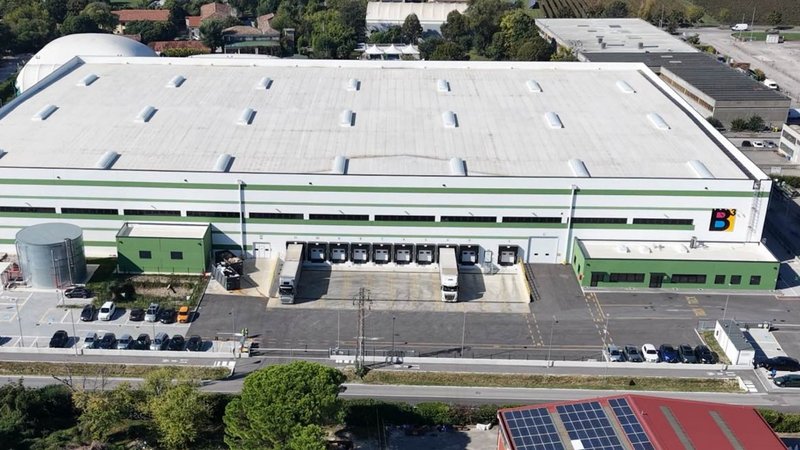
Ceva Logistics has opened a new automated distribution centre in Alashankou, in the Chinese city’s free trade zone, 15 minutes from the border with Kazakhstan. The facility covers 4,300 square metres and strengthens operational capacity along transport corridors between China, Central Asia, the Caucasus and Europe. The site consolidates less-than-truckload shipments and TIR services, completing customs and forwarding operations in six to 12 hours. Compared with conventional road transport, the TIR model reduces transit times by almost 30% and average costs by 15%. The centre uses autonomous electric forklifts and a centralised platform that integrates order management with the real-time status of customs procedures. According to Kelvin Tang, overall traffic at Alashankou exceeded 29m tonnes in 2025, with overland volumes up 8.6% year on year. The facility also supports a cross-border less-than-truckload connection from Shenzhen and Suzhou to Tashkent for small and medium-sized shipments. Lenovo is among the customers using the new centre for regular flows between China and Kazakhstan. Ceva has also begun using heavy electric trucks for transport to Alashankou, with an estimated 46% reduction in CO2 emissions compared with traditional solutions. During the opening ceremony, the company received the Silk Road Innovation International Cross-border Logistics Excellence Award from the local authorities.
Fesco launches China-Central Asia train
Russian forwarding company Fesco has launched the new Fesco Caravan Shuttle rail service to connect Chinese cities with Kazakhstan and Uzbekistan, strengthening its presence on a growing trade route. The service carries containerised goods through the Dostyk and Altynkol crossings, including consumer goods, industrial products, equipment, spare parts and other cargo types. The first shipment involved light industry products departing from Xi’an and bound for Tashkent. The initiative is part of the group’s development strategy in Central Asia, where the company already has offices in Kazakhstan and Uzbekistan as well as a network of representative offices in China. The aim is to offer integrated and predictable logistics solutions from China’s main industrial and economic hubs. In June, Fesco also opened a new office in Chengdu to increase volumes on direct overland links to Russia, Belarus and Central Asia. According to the company, the new office will allow it to control every stage of the logistics chain in China. Aleksey Kravchenko, executive director of Fesco Integrated Transport, said the group intends to progressively expand the geographical scope of its transport operations and its service offering in the region.
H.Essers enters the United States
H.Essers is entering the US market with the acquisition of Palmer Logistics, a logistics operator with more than 60 years of experience in the chemicals sector. The deal represents the first step in the expansion of specialised services for dangerous goods in the United States, building on the expertise developed in Europe. Palmer Logistics operates a network of 14 sites in the United States and has dedicated infrastructure for storage and transport for the chemical industry. The acquisition is part of the Belgian company’s long-term development strategy and responds to the growing presence of chemical sector customers in the United States. The aim is to offer integrated logistics services on both sides of the Atlantic, while maintaining its European operational base. The first phase of consolidation will focus on the Gulf of Mexico region, identified as the main hub of the US chemical industry. H.Essers plans to develop a transatlantic logistics offering for complex chemical supply chains. The company confirms that Palmer Logistics’ current management will remain in place to ensure operational continuity during the integration, after which activities will gradually be integrated under the H.Essers brand.