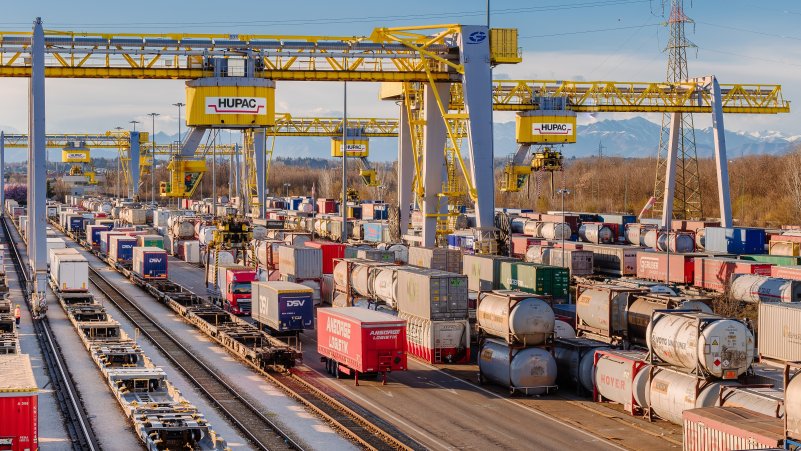




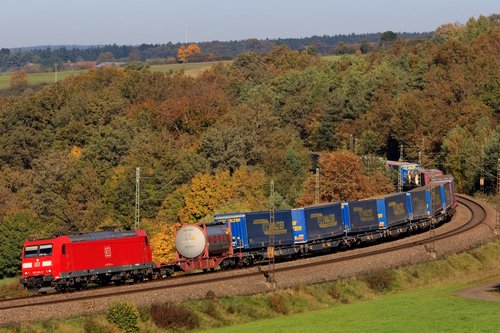
The Bundesnetzagentur, Germany's central authority for infrastructure, approved a 16.2% increase in railway network access fees. Contrary to the expectations of the eve, the increase approved by the authority far exceeds the anticipated 13.4% rise, initially forecasted to begin in December 2024. Ultimately, the 16.2% hike is the largest ever recorded on the German network. According to Die Güterbahnen, an association representing about a hundred companies involved in rail freight transportation aiming for a European railway network, the per kilometer fee for a standard freight train will increase by 52 cents to €3.73 starting in December 2024. This increase comes after the current access fee regulations, in effect since 2016, had only seen a total increase of 23 cents per kilometer.
Die Güterbahnen has heavily criticized not only this latest pricing decision but also the overall regulatory framework and the strategy adopted by the network manager DB InfraGo, which is supposed to merely recover costs with a policy oriented towards the common good. According to the association, DB tends to maximize profit from its railway infrastructure monopoly to such an extent that "the only feature of the tariff system is the powerlessness of the customers and the licensing authority."
DB InfraGo's statutes emphasize financial aspects in management, leading to the paradox where instead of lowering rates to boost access during demand downturns, the manager transfers rising costs onto the railway companies, making them less competitive. Essentially, higher rates are more profitable, even at the cost of losing customers. Die Güterbahnen notes that in 2023, despite a decrease in the amount of track sold, the network manager saw an increase in revenue.
This is all happening in a regulatory environment that includes cuts to subsidies, such as those available to promote full-train transport, which could challenge railway companies. The operators' fears are particularly linked to the lack of a certain framework and a multi-year financial plan for railways, as decisions are tied to the state's annual budget exercise and resources are allocated year by year, without certainty. According to Die Güterbahnen, without planned adjustments, the increase in tariffs and subsidy cuts could lead to a cost increase for railway companies exceeding 100%. Moreover, the backdrop of this situation includes hundreds of construction sites across the network, causing route diversions and delays with rising costs and traffic loss.
Piermario Curti Sacchi