

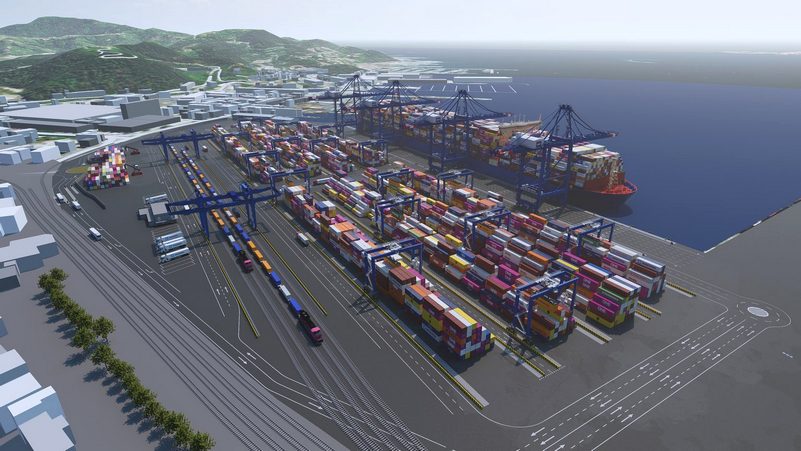








After weeks of electoral promises and early presidential statements, Trump initiated the global trade war on 4 March 2024, implementing tariffs on foreign goods entering the United States. A 25% tariff was imposed on imports from Canada and Mexico, while additional duties on all Chinese goods doubled to 20%. The stated rationale behind these measures is to curb fentanyl drug trafficking and illegal immigration. Analysts estimate that these tariffs will impact imports worth 1.5 trillion dollars annually.
Both Canada and Mexico have responded by announcing retaliatory tariffs on US goods. Canadian Prime Minister Justin Trudeau declared that by the end of March, his government will introduce a 25% tariff on various US products, whose exports to Canada are valued at approximately 100 billion Canadian dollars (about 66 billion euros) per year. These tariffs will remain in place until the US withdraws its own, and should that not happen, Trudeau warned that Canada could implement additional non-tariff measures. Mexican President Claudia Sheinbaum is expected to announce her country’s response on 4 March.
Meanwhile, Beijing has announced tariffs of between 10% and 15% on various US agricultural products, set to take effect in March. It is worth noting that the agricultural sector includes a substantial number of Trump supporters. China is also implementing measures beyond tariffs; in recent days, it has suspended imports of US logs, citing the presence of parasites, and halted soybean purchases from three American companies.
The Budget Lab at Yale University estimates that the imposition of these tariffs could lead to an average increase of 2,000 dollars (around 1,900 euros) per year in household expenses across the United States, exacerbating inflation and slowing economic growth. However, such concerns do not appear to deter the US president. The 4 March tariffs are merely the first wave in Trump’s broader trade strategy.
The next step involves a 25% tariff on goods from countries that Trump deems to impose unfair taxes or other barriers on US products. This stance remains ambiguous, as Trump has previously equated European VAT with tariffs, despite their fundamental differences. VAT applies to all goods, not just imports. Washington has also announced sector-specific tariffs, again at 25%, on automobiles, pharmaceuticals, and semiconductors, which would be imposed in addition to those targeting individual countries.
On 12 March, additional tariffs on steel and aluminium will take effect, regardless of the country of origin, and Trump is considering extending these to copper and timber. The European Union is also at the centre of Washington's trade war. In this instance, a 25% tariff is expected to be introduced as early as April. In a statement circulated via email, European Commission spokesperson Olof Gill warned that the US decision risks disrupting global trade, harming economic partners, and creating uncertainty, stating: "These tariffs threaten deeply integrated supply chains, investment flows, and economic stability across the Atlantic."
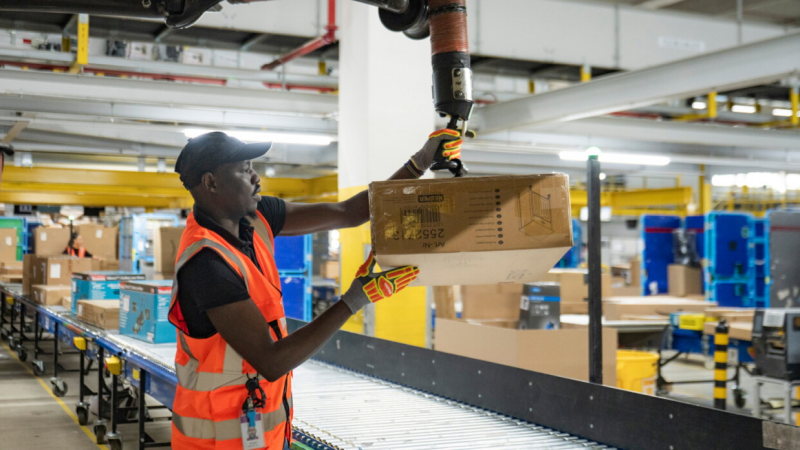
Meanwhile, the US continues to maintain its de minimis exemption for imports valued up to 800 euros. Trump initially announced its immediate removal but was later forced to suspend the measure, as the US customs and logistics system lacked the capacity to handle the additional processing and tariff payments. If the de minimis threshold were abolished, it would primarily impact international e-commerce.