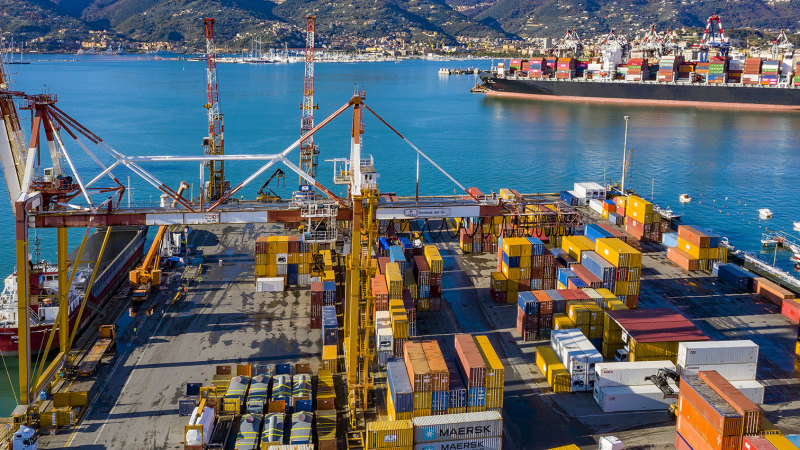









Sdag, a company wholly owned by the Gorizia Municipal Council, presented the intermodal terminal's first business and investment plan for 2027–2031 on 23 October. The programme envisages investment of €31.485 million, partly aimed at developing logistics activities supporting the Port of Trieste. So far, only €5.475 million has been secured, equivalent to around 17% of the total, leaving a funding gap of €26.010 million. Planned expenditure amounts to €15.185 million over 2027–2029 and €16.3 million in the following two years.
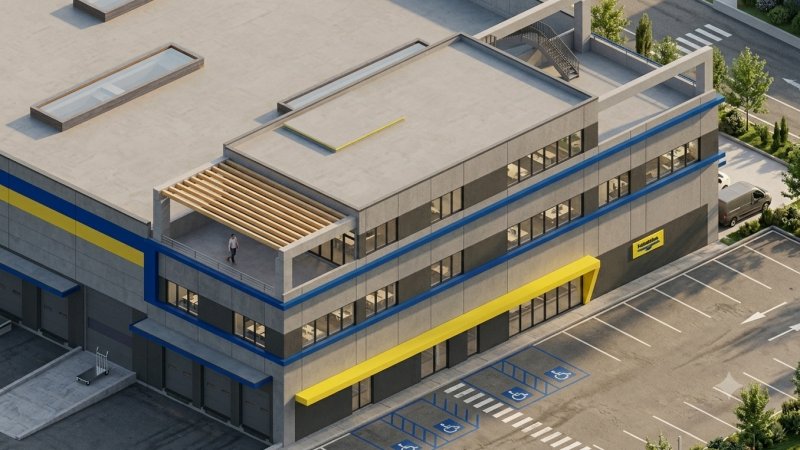
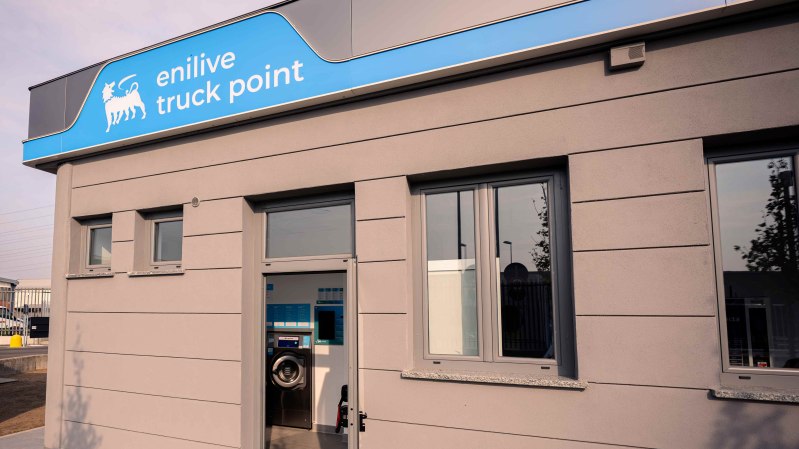
The largest allocation, €12.9 million, is for refurbishing existing buildings and developing new logistics facilities. A further €8.32 million is earmarked for upgrading parking areas and improving services for lorry drivers, while €6 million will support the green transition, particularly through new photovoltaic installations. Rail intermodality will receive €2.2 million for a new internal rail siding, works complementing the railway chord project and the planned extension of Trieste's railway shunting area to Gorizia. The agri-food hub and cold chain will receive €2.06 million to expand refrigerated storage and warehousing capacity. The terminal covers approximately 600,000 square metres dedicated to road and rail transport services connecting with Central and Eastern Europe. It accommodates 85 companies employing 385 people, with combined turnover exceeding €50 million. Sole director Fabrizio Renato Russo identified the Trieste–Damietta maritime connection as a potential source of fresh fruit and vegetable traffic, with plans to increase cold storage capacity to around 6,000 cubic metres.
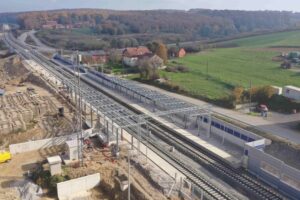
Separate from Sdag's investment plan is Rfi's railway chord project, worth more than €20 million, with construction expected to begin between November and early December 2026. The project, which concerns the national rail network, will improve access between the terminal's rail siding and the Gorizia–Nova Gorica line. It includes a new single-track connection of approximately 1.4 kilometres between the Udine–Gorizia–Monfalcone and Gorizia–Nova Gorica lines, electrification and a realignment of around 260 metres of the existing line towards Slovenia. The points providing access to the terminal siding will also be relocated to accommodate 750-metre trains, while the signalling and train control systems at Gorizia Centrale will be upgraded. Trains bound for Nova Gorica would thus avoid the current shunting operations at Gorizia Centrale, reducing journey times towards the Slovenian rail network.
Antonio Illariuzzi