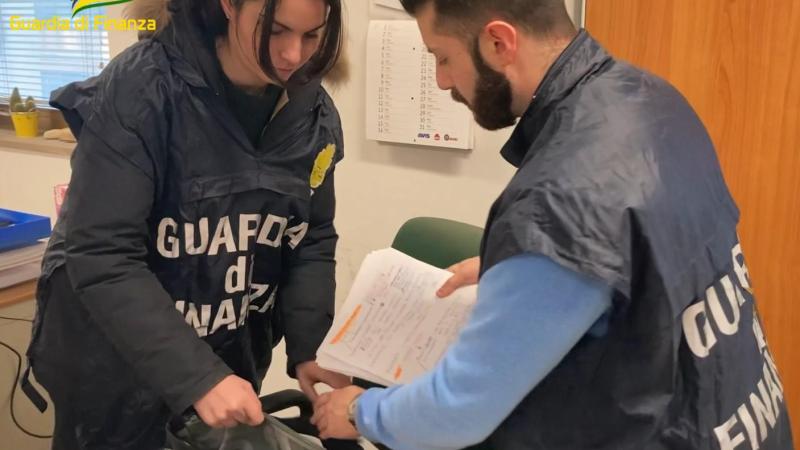






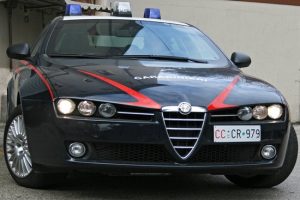
At dawn on 12 January 2026, the Carabinieri (Italian military police) carried out eight new precautionary measures as part of Operation Termine, an investigation coordinated by the Direzione Distrettuale Antimafia di Cagliari (Cagliari District Anti-Mafia Directorate) that dismantled a complex drug trafficking system based on the systematic use of road haulage. Executed between Sardinia and Tuscany, the measures mark the latest development in an inquiry that began in January 2022 and had already led to 62 arrests in October 2025.
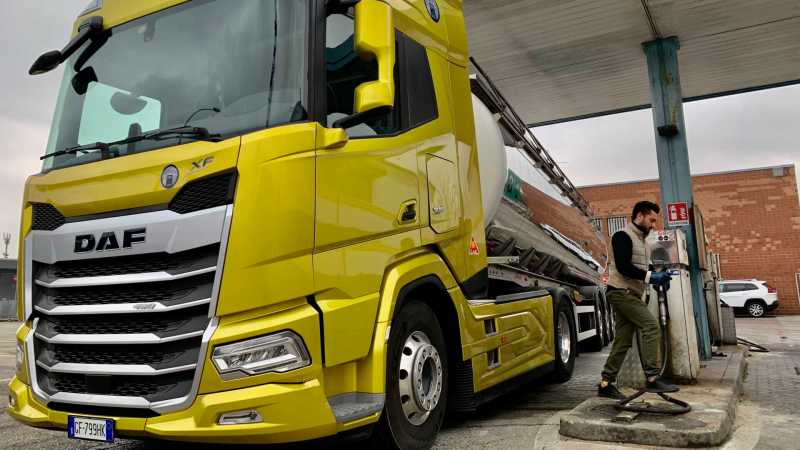
At the heart of the investigation is a criminal structure that had turned heavy goods vehicles into operational tools for cocaine and heroin trafficking. Professional haulage drivers, officially engaged in transporting legitimate goods between the mainland and the island, ensured the movement of drugs and the return flow of cash, exploiting the continuity of road and maritime connections and the cover provided by lawful activity.
According to investigators, the group rooted in the trucking world operated as a true parallel transport organisation. There were figures with managerial roles responsible for planning journeys and handling payments, intermediaries managing contacts with mainland suppliers, and drivers who physically covered the routes. Each role was clearly defined, with an internal discipline mirroring that of a structured haulage company.
The trucks were modified with hidden compartments built into trailers or chassis, operated by mechanical and hydraulic systems that were difficult to detect during routine checks. These spaces concealed drug consignments bound for Sardinia or cash destined for suppliers. The journeys ran along the main road corridors of mainland Italy and via maritime links to the island, exploiting the repetitive nature of the routes and the apparent normality of freight traffic.
Communications among network members took place via dedicated phones and SIM cards registered to foreign straw men. Even the language was carefully designed to mislead: generic terms and references to day-to-day work masked agreements on quantities, prices and deliveries. In this way, road haulage was not merely a means of transport but the very key to the system, ensuring continuity and reliability for the trafficking operation.
The drugs were sourced on the mainland through channels linked to Albanian groups active mainly in Tuscany and in parts of Veneto. Hauliers travelled to these areas to collect the narcotics, paying in cash. On their return to Sardinia, the substances were distributed through a network of local dealers, while the proceeds were loaded back onto the trucks and transported across the sea, completing the cycle.
During the investigation, which continued until March 2024, the Carabinieri documented numerous journeys and reconstructed a constant flow of consignments. In total, 127 kilograms of cocaine, 7 kilograms of heroin, 53 kilograms of hashish and one kilogram of marijuana were seized, along with €380,000 in cash and 47 weapons. According to prosecutors, these figures reflect the scale of a stable, ongoing operation rather than sporadic activity.
The operation has highlighted a structural vulnerability in the haulage sector, already seen in other investigations: the risk that legitimate activities, marked by thin margins, long waiting times and intense competitive pressure, become attractive to criminal organisations. The availability of heavy vehicles, routine access to ports and major infrastructure, and lower levels of scrutiny compared with passenger traffic make trucks a particularly appealing vector.
The new precautionary measures issued in January 2026 close one phase of the investigation, but inquiries continue into international links and financial flows. Operation Termine fits into a broader investigative focus on trafficking that uses traditional logistics as cover, confirming how the boundary between the legal and criminal economies can become especially thin along the main freight routes.