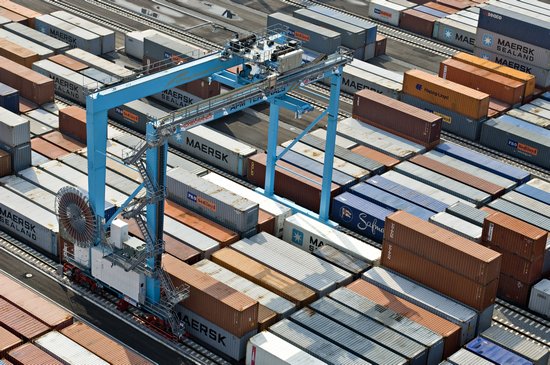






The People’s Committee of Da Nang has selected, in March 2026, a consortium led by Vietnamese group Hateco, with the participation of Apm Terminals, to develop and operate the new Lien Chieu Container Port in central Vietnam. The project, valued at around $1.7bn (approximately €1.56bn), forms part of the national strategy to expand port infrastructure and has been approved by the Vietnamese government with a 50-year concession. It includes the construction of a deep-water container terminal in the Lien Chieu district, north of Da Nang, with the aim of creating a new international hub for container traffic and transhipment in central Vietnam. The total investment amounts to about 45.268 trillion dong (approximately $1.75–1.8bn), with a financial structure combining around 9 trillion dong in equity and a predominant debt component based on project finance models.
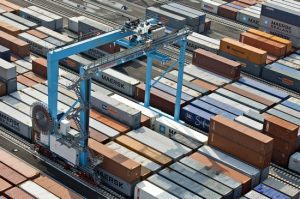
The terminal will cover more than 172 hectares and reach a full capacity of around 5.7 million TEU per year, equivalent to about 74 million tonnes of cargo, with an initial operational phase of approximately 4 million TEU. The project includes eight berths with a total quay length of about 2,750 metres, capable of accommodating vessels of up to 18,000 TEU, as well as infrastructure dedicated to barges for inland waterway traffic. It also includes a logistics hinterland area with yards, inspection zones and operational facilities, along with a rail link of around 1.5km to Kim Lien station, connected to the national network. This configuration is designed to integrate the port into the country’s intermodal corridors, strengthening Da Nang’s role as a logistics node between the coast and the hinterland.
Construction will be carried out in three phases over a timeframe spanning 2026 to 2036, with capacity coming on stream progressively. The Hateco–Apm Terminals consortium will be responsible for development, operations and maintenance of the terminal under the supervision of the Vietnamese authorities. Apm Terminals, part of the A.P. Moller-Maersk group, will act as a technological and operational partner, contributing expertise in terminal management, automation and the digitalisation of flows. The project has been designed from the outset to integrate advanced management solutions and reduce vessel turnaround times, while also incorporating “green port” standards in line with Vietnamese government policies.
The initiative comes amid strong growth in Vietnam’s port traffic. Several of the country’s port clusters are approaching saturation, while in the Cai Mep–Thi Vai system volumes on main routes exceeded 700,000 TEU in January 2026, up 9% year on year. In this context, the development of a new hub in the centre of the country responds to the need to rebalance the geographical distribution of capacity and reduce dependence on ports in the north and south. Vietnam’s port geography is structured around three main poles: Hai Phong and Lach Huyen in the north, Cai Mep–Thi Vai and the future Can Gio hub in the south, and the Da Nang area in the centre. Lien Chieu aims to address the lack of deep-water infrastructure in the central region, creating a direct gateway for local trade and industrial flows.
The project also reflects growing interest among major global terminal operators in the Vietnamese market. Apm Terminals is strengthening its presence in the country following its experience with Hateco at Lach Huyen, while other operators, particularly MSC through Terminal Investment Limited, are developing large-scale projects in the south, such as the Can Gio mega hub. This dynamic positions Vietnam as one of the main arenas for competition over control of strategic port nodes in Southeast Asia. A presence across multiple ports allows global operators to consolidate their flows and increase control over maritime transport chains, in a context of increasing integration between shipping and terminal operations.
Anna Maria Boidi