




Array ( [0] => 8 [1] => 39 )

Podcast K44

Cronaca

  • Sequestrati in Sicilia due autocarri con targhe non proprie

    Sequestrati in Sicilia due autocarri con targhe non proprie

    La Sezione Polizia Stradale di Caltanissetta ha sequestrato due autocarri intestati a una ditta autotrasporto che erano privi di copertura assicurativa e con targhe riferite ad altri veicoli. Il secondo camion era stato inviato dall'impresa per trasbordare il carico del primo. Sanzioni per circa 8mila euro.

Transpotalk

Normativa

Mare

  • Le rotte europee spingono i noli container

    Le rotte europee spingono i noli container

    Il World Container Index di Drewry sale del 3% a 4.485 dollari per container da 40 piedi, trainato dall'Asia-Europa, dove i noli spot medi tornano a crescere dopo tredici settimane di calo. Sul transpacifico Los Angeles guadagna il 3%, New York cede l'1%.

Autotrasporto

  • Rhenus riunisce a Padova trasporto e magazzino

    Rhenus riunisce a Padova trasporto e magazzino

    Dal primo trimestre del 2027 Rhenus concentrerà nell'Interporto di Padova trasporto nazionale e internazionale, spedizioni e magazzinaggio, su 10mila metri quadrati. Due magazzini attuali confluiranno nel nuovo sito, mentre a Dubai ha aperto un ufficio dedicato alla logistica umanitaria.

    Gulf conflict boosts Central Asian infrastructure

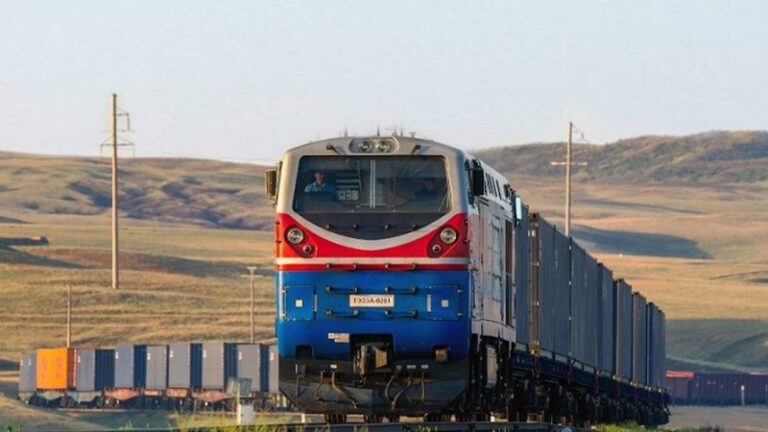
    Foto: Kzt

    War scenarios involving the Middle East and the Persian Gulf, and above all the prospect of prolonged instability across this entire geographical area, are raising pressing questions about the future of transport and trade relations. As in any geopolitical crisis, new scenarios are emerging that can promote and support alternative solutions, reviving options previously seen as secondary. This is the case with the Middle Corridor: Asia is becoming increasingly pivotal, particularly in light of its vast energy resources, with governments in the region keen to integrate into the global economy. This applies to both east–west and north–south traffic.

    Kazakhstan offers a clear example, as it seeks a more significant role to avoid being squeezed between superpowers such as China and Russia. As early as 2015, Kazakhstan reached a partnership agreement with the European Union, making Brussels its main trading partner. In October 2025, Uzbekistan followed the same path. These agreements are estimated to have attracted international investment of around 20 billion dollars into Central Asia.

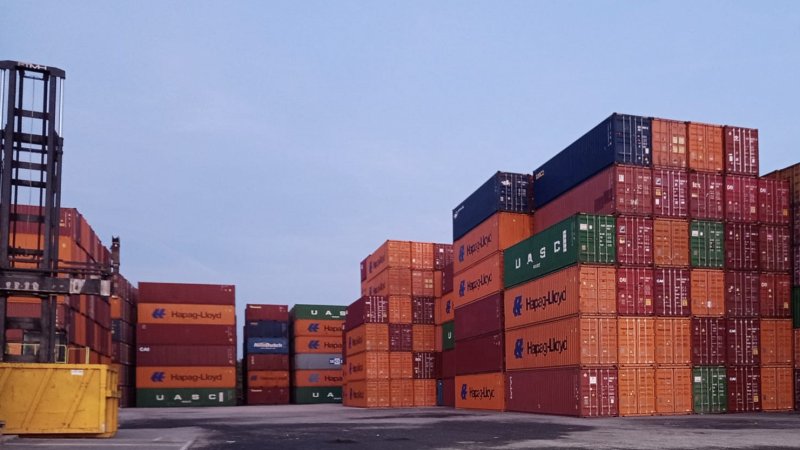
    Although long-term forecasts remain uncertain, it is notable that before the war in Ukraine around 20,000 TEU were transiting through the region. This rose to 100,000 TEU in 2025, with projections suggesting volumes could reach, or even exceed, 800,000 TEU by 2040. Azerbaijan is also stepping forward. So far, freight flows have mainly been westbound transit, from China to Europe, but the outlook points to a more balanced distribution in all directions.

    From an infrastructure perspective, one of the most significant initiatives involves Kazakhstan’s state railway operator, which is building a 130-kilometre Almaty bypass, a key hub for connections including those with neighbouring Kyrgyzstan. Financed with support from international funds, the project will enable faster and more efficient links and improve cargo flows along the Trans-Caspian International Transport Route, also known as the Middle Corridor.

    According to international agency sources, Kazakhstan Temir Zholy (KTZ) could launch an initial public offering this year, supported by strong fundamentals, as freight volumes on the China–Kazakhstan–Turkmenistan route have quadrupled in a short time. In February 2026, a pilot multimodal shipment combining rail and maritime transport delivered rice to the port of Antwerp in Belgium, with shipping costs competitive with the Northern Corridor.

    Developments are unfolding almost daily. The World Bank has approved a financing guarantee of 846 million dollars, expected to unlock total investments of more than 1.4 billion dollars, including private funding. The aim is to support construction of another railway line in Kazakhstan, over 300 kilometres long, between Moyynty and Kyzylzhar towards China. In addition, Kazakhstan and Uzbekistan have signed an agreement to build a modern multifunctional logistics centre in the Uzbek capital, Tashkent, a strategic location on the border between the two countries. The project includes railway infrastructure and a container terminal, with the first phase set to become operational as early as 2027.

    Piermario Curti Sacchi

    © TrasportoEuropa - Riproduzione riservata - Foto di repertorio
    Segnalazioni, informazioni, comunicati, nonché rettifiche o precisazioni sugli articoli pubblicati vanno inviate a: redazione@trasportoeuropa.it


      Puoi commentare questo articolo nella pagina Facebook di TrasportoEuropa

      bottone newsletter piccolo Vuoi rimanere aggiornato sulle ultime novità sul trasporto e la logistica e non perderti neanche una notizia di TrasportoEuropa? Iscriviti alla nostra Newsletter con l'elenco ed i link di tutti gli articoli pubblicati nei giorni precedenti l'invio. Gratuita e NO SPAM!


    CONTENUTI SPONSORIZZATI


Videocast K44

Aereo

  • Lufthansa Cargo estende la rete in Asia

    Lufthansa Cargo estende la rete in Asia

    Con l'orario invernale in vigore dal 25 ottobre 2026 Lufthansa Cargo opera 88 rotte con aerei cargo verso 40 destinazioni, aggiunge Singapore e ripristina Almaty. A Mumbai i voli tutto merci passano al nuovo aeroporto di Navi Mumbai, mentre crescono le frequenze verso Dallas, Houston e New York.

Ferrovia

  • Cassa integrazione in due cantieri del Terzo Valico

    Cassa integrazione in due cantieri del Terzo Valico

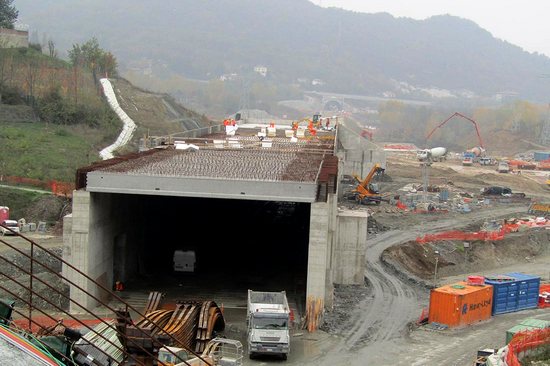
    Seli Overseas, società del gruppo Webuild, ha comunicato tredici settimane di cassa integrazione ordinaria per circa 300 dipendenti dei cantieri di Radimero e Val Lemme. I sindacati la collegano a un presunto contenzioso economico tra Cociv e Rfi, mentre Webuild sollecita al Governo pagamenti su diciotto commesse ferroviarie.

Persone

  • Pessina confermato presidente di Federagenti

    Pessina confermato presidente di Federagenti

    L'Assemblea di Federagenti ha rinnovato all'unanimità la presidenza di Paolo Pessina, alla guida della federazione degli agenti marittimi dall'ottobre 2024. Ha indicato come fronti aperti le crisi geopolitiche che pesano sui porti e la riforma portuale.
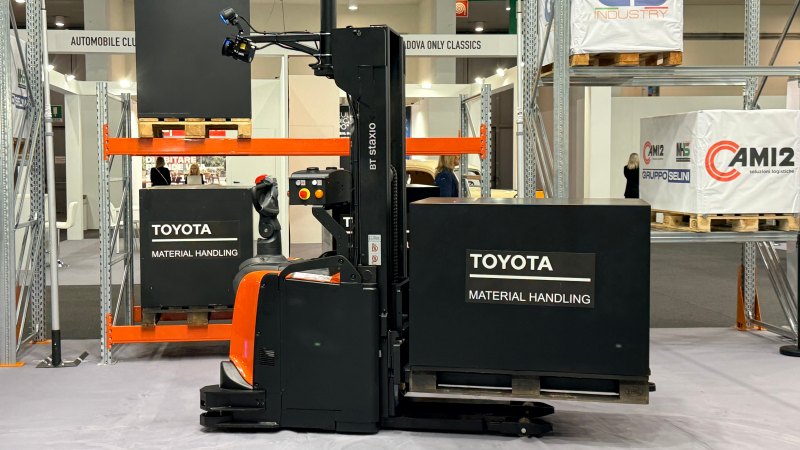
Nuova generazione di carrelli automatici Toyota

TECNICA

Nuova generazione di carrelli automatici Toyota
previous arrow
next arrow
Pessina confermato presidente di Federagenti

LOGISTICA

Pessina confermato presidente di Federagenti
previous arrow
next arrow
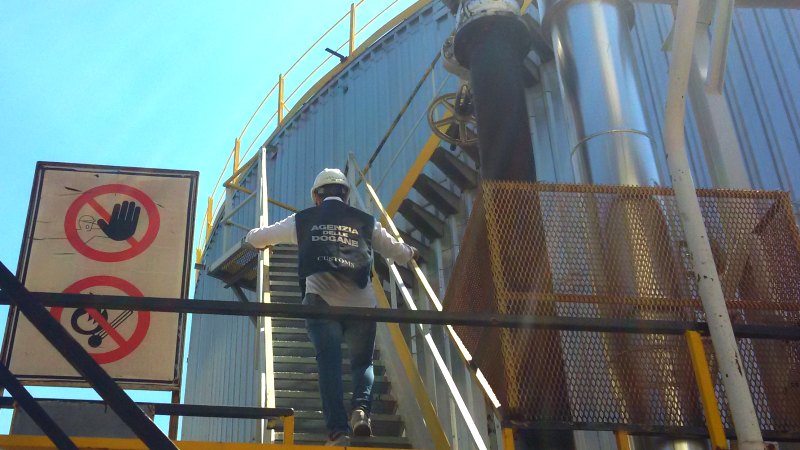
Tre società indagate a Genova per frode sui carburanti

ENERGIE

Tre società indagate a Genova per frode sui carburanti
previous arrow
next arrow
Sanilog avvia una nuova campagna oncologica

SERVIZI

Sanilog avvia una nuova campagna oncologica
previous arrow
next arrow