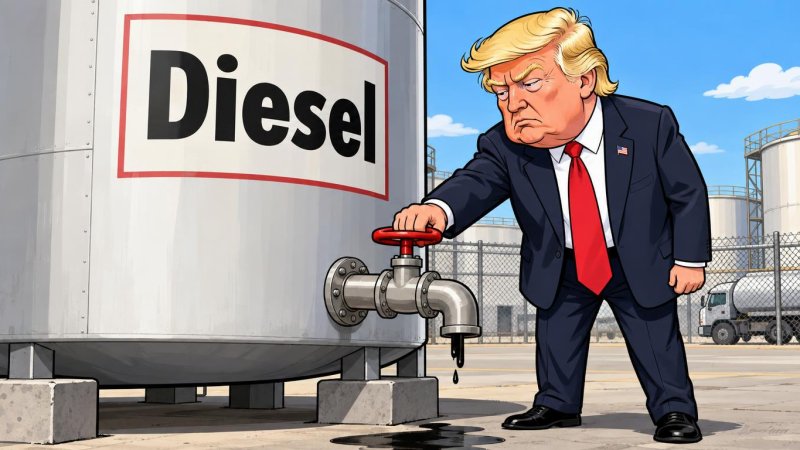








As of 2 May 2025, the United States has eliminated the customs exemption known as de minimis, which had allowed goods valued below 800 dollars to enter the country without incurring duties. Originally introduced to streamline customs processing for small parcels, the measure was revoked by the Trump administration, citing the need to curb China’s role in the synthetic opioids crisis. Yet beyond geopolitical motives, the decision has already triggered a series of operational, economic and commercial consequences that are reshaping the dynamics of international trade, especially in the cross-border e-commerce sector.
Early signs of congestion are being reported at US ports and airports. The number of parcels awaiting processing is steadily rising, with operators flagging significant delays. The Customs and Border Protection agency, which before the change handled around four million de minimis shipments per day, is now required to apply duties and carry out checks on each one. According to Oxford Economics, the US customs agency is already facing a staffing shortfall estimated at 5,000 people and may need to recruit and train up to 22,000 new officers to cope with the increased workload.
The effects extend beyond public institutions. Major international couriers such as UPS, FedEx and DHL must now adapt their systems to collect and transmit new customs data, maintain bonds and ensure proper duty payment under unfamiliar procedures. The complexity of the new rules translates into higher operational costs and longer delivery times.
Foreign exporters, particularly small and medium-sized businesses, are also directly impacted. Many had built their competitiveness on the ability to ship directly to US consumers without customs charges. According to Cindy Allen, CEO of consultancy Trade Force Multiplier, many of these companies have simply opted to withdraw from the US market. The case of Canadian lingerie brand Understance is telling: a 59-dollar shipment, with the new duties and customs fees applied, would now cost the buyer over 150 dollars. Faced with such figures, suspending shipments to the United States has become an unavoidable decision.
Firms choosing to remain active in the US market have been forced to react swiftly by raising prices to cover additional costs. British retailer Oh Polly has increased its US prices by 20 per cent, while platforms such as Shein and Temu are expected to hike prices by between 15 and 25 per cent. According to Bloomberg, a simple 10-dollar T-shirt could now cost 12 or 13 dollars, plus customs brokerage fees. For US consumers, the overall financial burden is estimated to range between 8 and 30 billion dollars per year.
The new regulatory environment has prompted many businesses to rethink their logistics chains. Some operators are cutting back on air freight, which is faster but more expensive, in favour of consolidated maritime shipments. Others are investing in the development of logistics hubs within the United States, allowing them to import goods in bulk, pay duties just once, and distribute products directly from US soil. The aim is to avoid the need to apply duties to every individual parcel sent to end consumers. Erik Rosica, an executive at OEC Group, confirmed that many clients are making substantial changes to their sourcing strategies, moving towards more structured and less vulnerable solutions in response to the new regulations.
Employment is also beginning to feel the impact. UPS has announced it will cut around 20,000 jobs by the end of the year and shut down 164 facilities, citing a general shift in economic conditions. Although the company has not officially linked these measures to the abolition of the de minimis rule, the timing coincides conspicuously with the introduction of the new customs requirements.
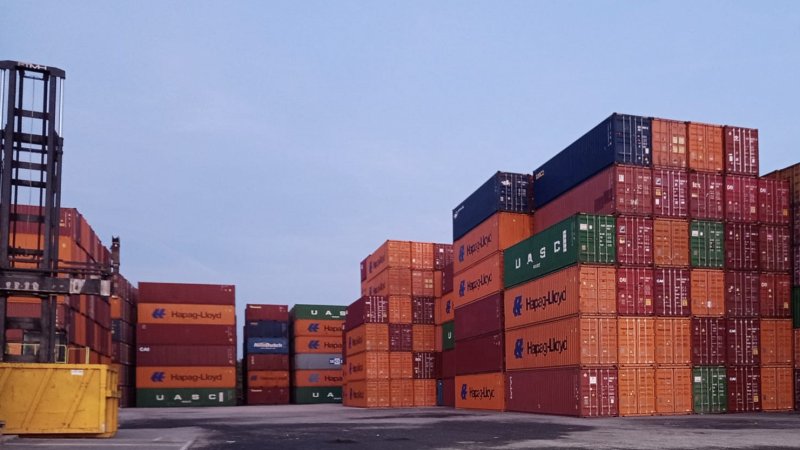
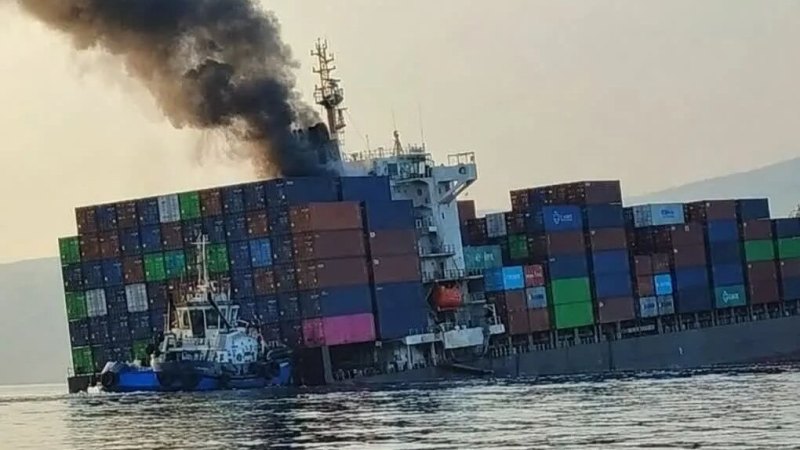
Conditions are no better at sea, as the US port system braces for a marked drop in traffic volumes. Forecasts for May point to a 20.5 per cent fall in TEUs compared to the same month in 2024, followed by a 26.6 per cent decline in June and a 27 per cent drop in July. These figures reflect not only a slowdown in trade with Asia but also the uncertainty many operators are experiencing in adjusting to the new commercial reality.
What may appear to be a technical measure—the abolition of the de minimis rule—is therefore producing structural effects on logistics, consumption and business strategies. In a context already shaped by geopolitical tensions and reconfigured supply chains, the US initiative is accelerating a process of international trade restructuring, where efficiency and direct market access risk being replaced by bureaucracy, higher costs and increasing fragmentation of distribution networks.