







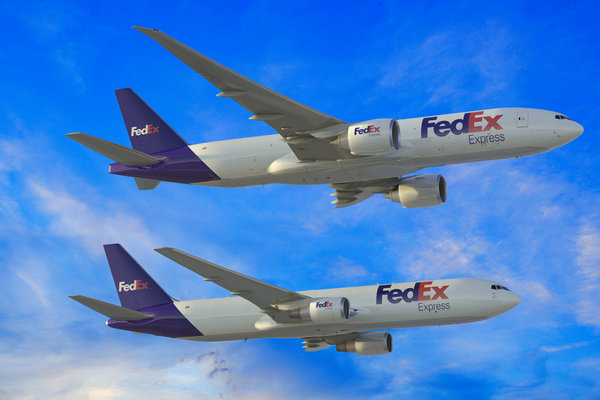
After almost five years of negotiations and an initial agreement rejected in a vote, FedEx and the Air Line Pilots Association (Alpa) reached a new five-year collective agreement on 7 and 8 April 2026, covering more than 5,000 pilots at the US cargo airline. The text has now been ratified by pilots during a voting window held from 12 May to 9 June 2026, with the agreement expected to take effect around the end of June.
The central element of the agreement is a 39.76% increase in hourly pay, followed by annual increases of 3% in the following years, from 2028 to 2030. The deal also provides for back pay to compensate for the years in which negotiations produced no result: up to about $150,000, around €137,000, for captains and up to $102,500, around €94,000, for first officers. FedEx and Alpa have presented the agreement as a “top-tier” contract in the US cargo segment.
Negotiations on the renewal began in May 2021, based on a Protocol Agreement signed on 24 March of that year, which defined the sections of the collective bargaining agreement (Cba) to be reopened and set the goal of reaching a first agreement by the end of May 2022. That target was missed: in October 2022, the parties turned to the supervision of the National Mediation Board (Nmb), the federal body that oversees negotiations in the air transport sector in the United States.
The process first accelerated in May 2023, when the negotiating teams reached a tentative agreement providing for wage increases of about 30% and improvements to pension benefits. However, that text was rejected by the pilot group, which voted down the deal in July with high turnout, raising questions over the operational scope of protections against the outsourcing of operations, the overall economic terms and quality of work, particularly roster management. The rejection opened a period of deadlock that lasted more than two years, with the case remaining in Nmb mediation while FedEx advanced its industrial transformation programme.
During those years, the Memphis-based company pressed ahead with its Drive programme and One FedEx strategy, namely the merger of its air and ground networks, the closure of some pilot bases in Europe and the transfer to third-party carriers of part of its Boeing 757 operations on the European continent. This fuelled a perception among union representatives that the employment perimeter was under pressure. Alpa used the milestone of 1,000 days without a contract, in 2024, as a public communications lever, reiterating that its objectives remained top-tier pay and pensions in the sector, along with structural improvements to working conditions. In May 2025, on the fourth anniversary of the formal start of negotiations, the union again publicly highlighted the stalemate.
The final push came in the early months of 2026, with intensive sessions under Nmb supervision. The new tentative agreement, announced on 7 and 8 April, introduces, in addition to hourly pay increases, improvements to guaranteed flight minimums, daily allowances, holidays, duty schedule management and pension contributions, including the introduction of a new plan called Market Based Cash Balance. On 12 April, Alpa’s FedEx Master Executive Council (Mec) approved sending the text to pilots with a positive recommendation, opening the ratification process that was completed by 9 June.
The context in which the negotiations concluded reflects two structural dynamics in the US market. On the one hand, the chronic shortage of qualified pilots in the United States is creating upward pressure across the pay scale, including in the cargo segment. On the other, the contracts signed in recent years by leading passenger carriers such as Delta, American and United have raised the benchmark for cargo pilots’ expectations, making it necessary for FedEx to offer competitive conditions to maintain its long-term attractiveness as an employer. The rejection of the first agreement in 2023 made it politically necessary for Alpa to present its members with a second text containing higher figures and stronger clauses on the operational perimeter, a central issue in the union’s internal debate.
A.M.B.