




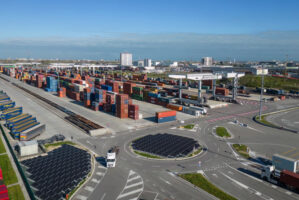
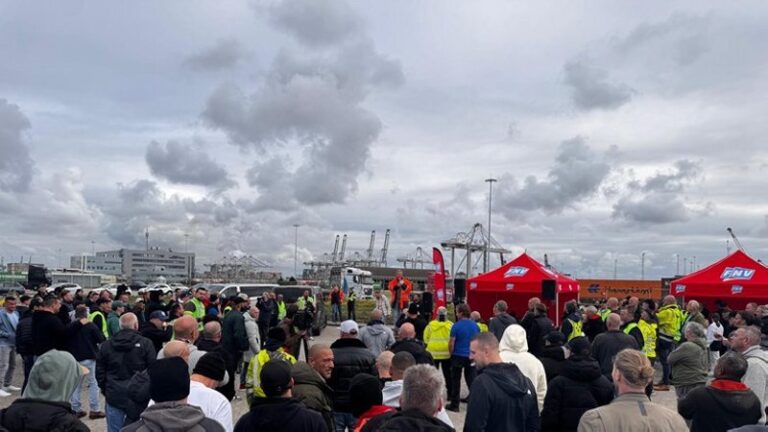
- On 4 September, Fnv Havens and Cnv will stage a strike at the Dutch ports of Rotterdam, Amsterdam, Vlissingen and Terneuzen from 11.15 to 19.00, affecting ship handling, mooring, towage and cargo checks. The action will involve the Ect and Apm Terminals Maasvlakte II terminals, the lashing companies Ils and Matrans, and, in Amsterdam, Hes Bulk Terminal and the tug operator Svitzer.
- On 9 September, a 24-hour national strike will instead take place in public and rail transport, also involving freight companies. The exact times will be announced by Fnv Spoor, Streekvervoer and Stadsvervoer.
- The unions are challenging social security cuts worth €6.8bn. The Jetten government has meanwhile withdrawn the accelerated increase in the retirement age, cancelled the cut to benefits and postponed by one year the halving of unemployment benefit, but the unions consider this insufficient and have confirmed the strike on 9 September.
Dutch logistics is heading for a heated September, with two strikes in two key transport hubs: ports and rail. The actions have been called by the Fnv and Cnv unions on two separate days, 4 and 9 September 2026, against the plan by the government led by Rob Jetten to cut social security. The first action concerns the ports of Rotterdam, Amsterdam, Vlissingen and Terneuzen, with a stoppage from 11.15 to 19.00, while the second, lasting 24 hours, will involve the entire national public and rail transport network.
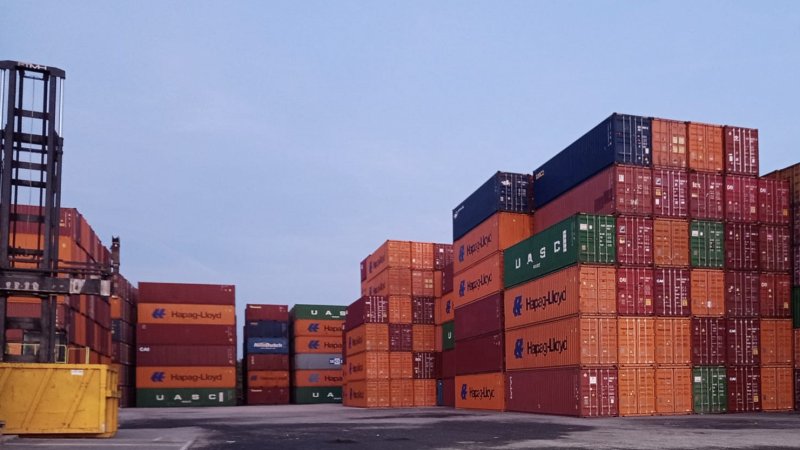
At the port of Rotterdam, Fnv Havens announced the stoppage on 3 August, after more than 700 dockworkers had given it a mandate for action at a general meeting held on 31 March. During the almost eight-hour strike, ships will not be worked: loading, unloading, mooring, towage and cargo checks could face severe delays, according to the union’s warning. The action will involve the Ect and Apm Terminals Maasvlakte II terminals and the lashing companies Ils and Matrans. In Amsterdam, workers at Hes Bulk Terminal and the towage company Svitzer will join the strike, while the union base in Vlissingen and Terneuzen is smaller.
Bart Kuipers, an economist at Erasmus Universiteit Rotterdam, compared the effect of the strike to that of a severe storm, capable of halting terminals for several hours without altering the port’s overall functionality. Kuipers, however, noted that the recovery of interrupted operations could take one or two weeks and that the action will add to an existing problem: waiting times for inland shipping at container terminals, linked to low water levels, which are already around 60 hours. Port of Rotterdam Authority expects some ships to have to wait at the quay or at anchorage, with a moderate increase in waiting times. The strike also coincides with the World Port Days, scheduled from 4 to 6 September, which entail separate navigation control measures on some sections of the Nieuwe Maas.
The railways will stop on 9 September, when Fnv Spoor, Fnv Streekvervoer and Fnv Stadsvervoer have called a 24-hour stoppage covering Ns, ProRail, DB Cargo, regional road transport and urban bus, tram and metro services. In regional transport, the strike will begin at the start of the service shift, while for rail and urban transport the unions have yet to announce the exact start and end times. Participation by workers across the different segments, and any service-continuity measures adopted by each operator, remain the variables that will determine the scale of the strike.
The two strike days are part of the same national dispute against a government package of social security cuts that Fnv puts at €6.8bn. The government’s original plan, drawn up by a minority coalition formed by D66, Vvd and Cda, also included halving the duration of unemployment benefit from 24 to 12 months, as well as measures affecting the work disability scheme and the accelerated increase in the retirement age linked to life expectancy.
In the days leading up to the strike, the government announced changes to this programme: Prime Minister Jetten and the relevant ministers informed the Tweede Kamer (House of Representatives) that they would definitively abandon the accelerated increase in the retirement age, cancel the cut to benefits and postpone by one year the halving of unemployment benefit. For Fnv and Cnv, however, the concessions remain insufficient, and Fnv chairman Hans Spekman said the union would not halt mobilisation until all the planned cuts had been withdrawn, confirming the strike on 9 September despite the government’s openings.
The two dates are part of a week of mobilisation in other sectors as well. According to Fnv, workers in waste management, cleaning, metalworking and construction will also take action during the same period, again against the social security cuts. For logistics, the two strikes could produce a cumulative effect on transport planning: 4 September risks leaving backlogs at quays and in port yards, while 9 September could complicate the recovery of operations or the availability of staff and rail capacity in the following days, with potential consequences for time-critical shipments, transhipment, rail-port links and container flows bound for the German, Belgian and central European hinterland.
Antonio Illariuzzi