






Cosco Shipping aims to expand its European inland container transport activities through the acquisition of 80% of Konrad Zippel Spediteur, a historic German forwarding and intermodal transport company based in Hamburg. The transaction was notified to the Bundeskartellamt on 22 December 2025 and became public in early January 2026. The acquisition is being carried out through Goldlead Supply Chain Development (Europe), a Dutch-registered company wholly owned by the Chinese shipping group. Axel Plaß, the current chief executive and until now the relative majority shareholder, will retain 20% of the capital and continue to lead the company.
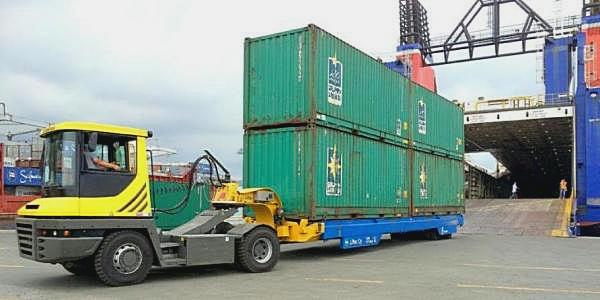
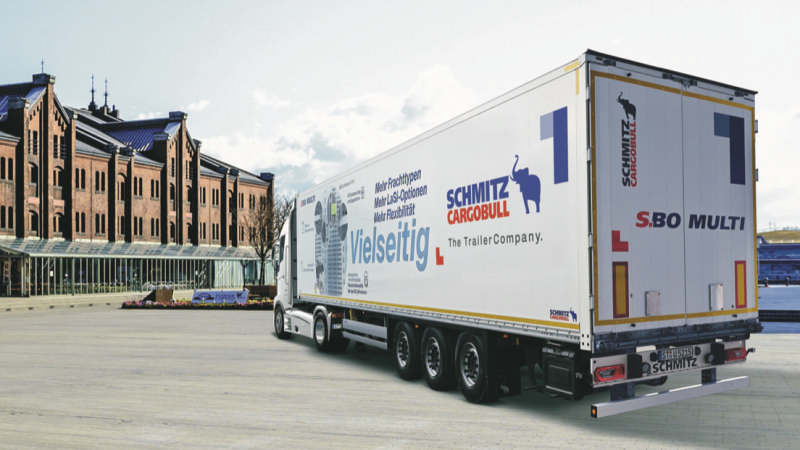
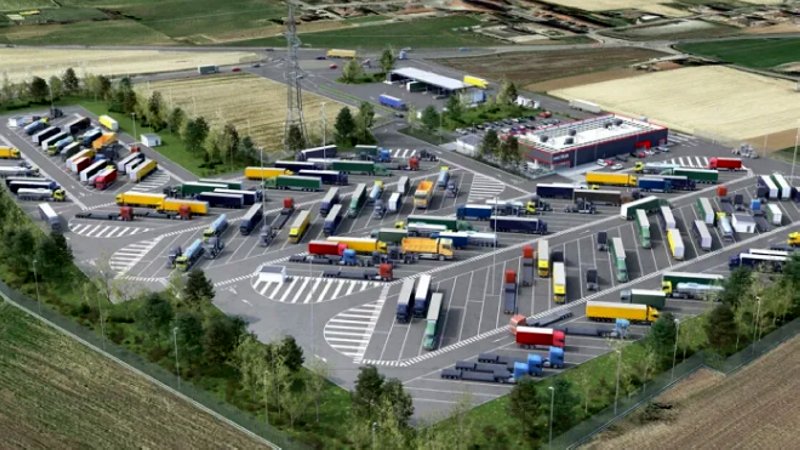
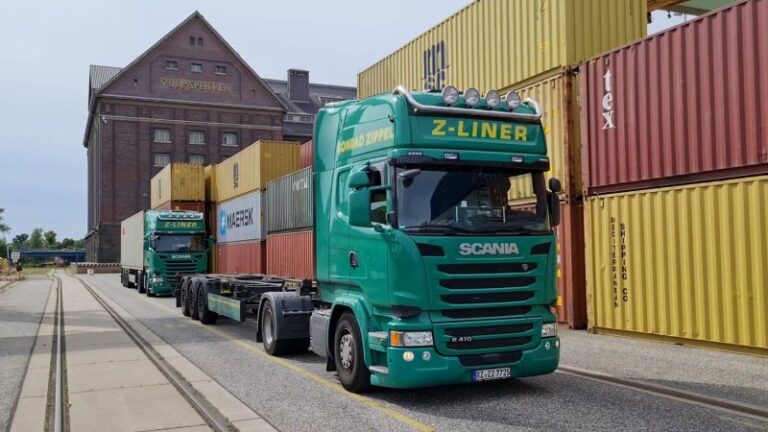
The deal involves Cosco Shipping, the world’s third-largest container shipping group by capacity with around three million TEU and a presence in more than 50 container terminals worldwide, and one of Germany’s oldest forwarding companies, founded in 1876. Konrad Zippel employs around 200 people, operates a fleet of roughly 200 trucks and is mainly active in intermodal container transport between the ports of Hamburg and Bremerhaven and two key areas of the German hinterland, Berlin and the chemical-industrial region of Schkopau in the Halle–Leipzig area. In 2014, the company’s turnover exceeded €50 million.
According to the documentation submitted to the Federal Cartel Office, the relevant market identified is that of intermodal forwarding services. Prior to the transaction, the ownership structure consisted of Axel Plaß holding 70% of the shares and Axel Kröger the remaining 30%. The economic value of the deal has not been disclosed. German antitrust procedure provides for an initial assessment phase of one month from complete notification; at present, there have been no communications regarding the opening of a second in-depth investigation, a factor that may indicate a preliminary view that there are no major competition concerns.
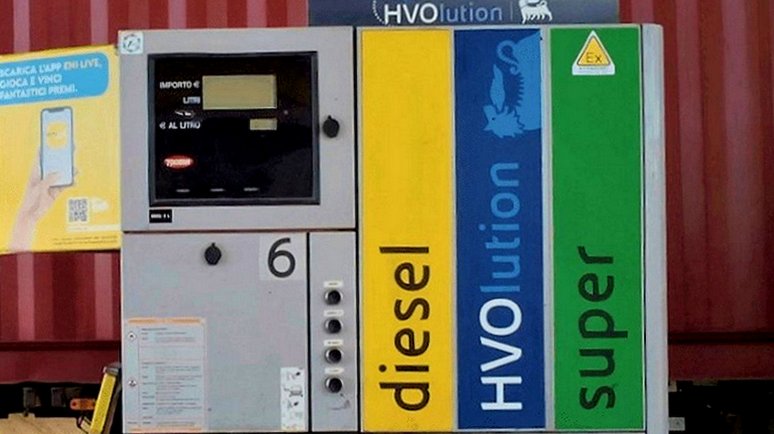
Konrad Zippel is a specialised operator in rail and road connections between Germany’s main port and the eastern part of the country. In recent years, the company has invested in a fleet of biomethane-powered trucks, achieving reductions in carbon dioxide emissions of up to 90% compared with traditional diesel vehicles. Twelve compressed natural gas trucks are currently in operation in the Berlin and Leipzig areas, deployed in first- and last-mile services supporting rail transport.
Axel Plaß, who will remain at the helm of the company following Cosco’s entry, is a central figure in German logistics. Since 2021 he has been president of the Dslv, the federal association of freight forwarders and logistics operators, and in the same year became president of the Vhsp, the Hamburg freight forwarders’ association representing around 340 companies and 15,000 employees. His continued role in operational management is seen as a signal of continuity and of the company’s strong local roots being maintained.
The transaction fits into the vertical integration strategy pursued by Cosco Shipping, in line with other major container shipping lines. The Chinese group is seeking to strengthen control over the entire logistics chain, from maritime transport to port terminals and onward to inland distribution across Europe. With the acquisition of Zippel, Cosco adds direct intermodal transport capacity to its existing 24.99% stake in the Tollerort container terminal in the port of Hamburg, reducing reliance on third-party operators for hinterland connections.
The Zippel deal also takes place against a backdrop of political and regulatory scrutiny of Chinese investments in European infrastructure. Unlike port terminals, the forwarding company does not fall under the definition of critical infrastructure in German legislation, which explains the lower political impact of the transaction. Nevertheless, the potential concentration of the hinterland logistics market remains an issue if other shipping lines were to pursue similar acquisition strategies. Direct entry by shipowners into inland transport could alter competitive balances, creating groups capable of controlling flows from port of origin to final destination.
M.L.