

Array ( [0] => 8 [1] => 39 )

Podcast K44

Cronaca

  • Camionista spara a un collega con pistola scacciacani

    Camionista spara a un collega con pistola scacciacani

    Un camionista di 42 anni è stato denunciato dalla Polizia Stradale di Modena per minaccia aggravata dopo aver esploso un colpo con una pistola scacciacani contro un collega lungo l'A1, al culmine di una lite tra autotrasportatori nei pressi di Modena Nord.

Transpotalk

Normativa

Mare

  • Il tifone Dolphin ingolfa ancora il porto di Shanghai

    Il tifone Dolphin ingolfa ancora il porto di Shanghai

    Dieci giorni dopo il passaggio del ciclone Dolphin i terminal di Yangshan registrano attese fino a dieci giorni prima dell'ormeggio con oltre trenta navi in coda. Nel Nord Asia restano bloccati più di 2,4 milioni di teu di capacità.

Autotrasporto

  • Camion fermi allo Stretto di Messina sono un disagio cronico

    Camion fermi allo Stretto di Messina sono un disagio cronico

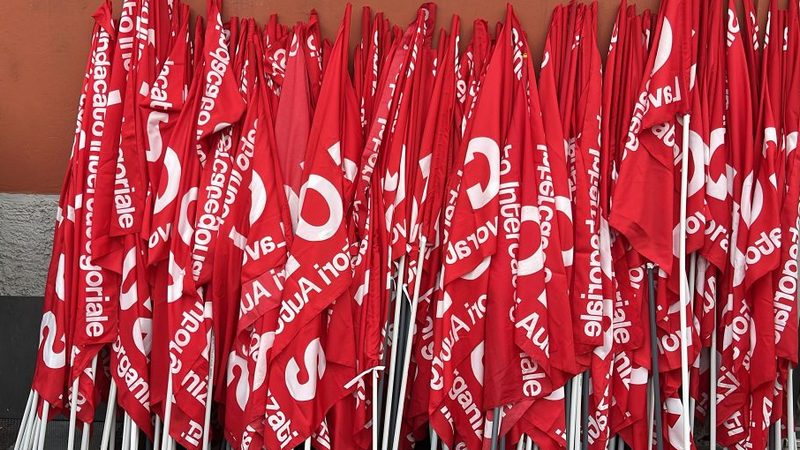
    La Lega Autisti Autotrasportatori Indipendenti Siciliani Nazionale denuncia attese fino a sei ore per l'imbarco a Tremestieri e al Porto Storico di Messina durante l'esodo estivo. Non è un caso isolato: il problema si trascina da anni, tra proteste, esposti e promesse rimaste in gran parte sulla carta.

    Big numbers for the Brenner railway only with common rules

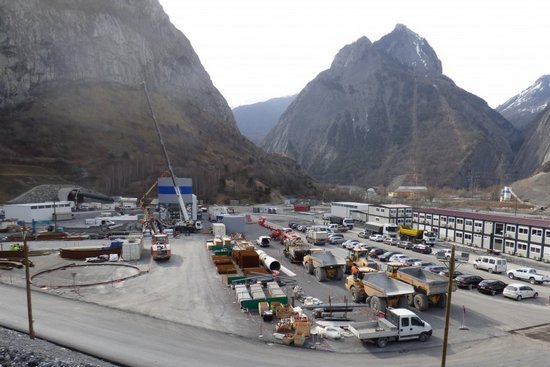
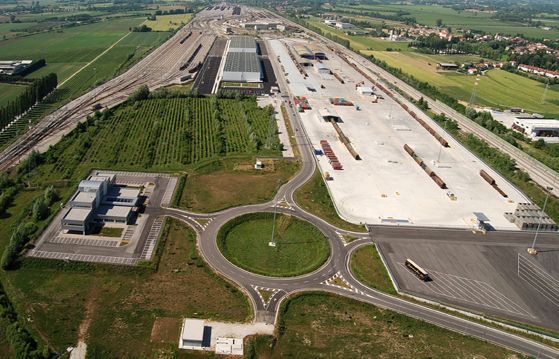
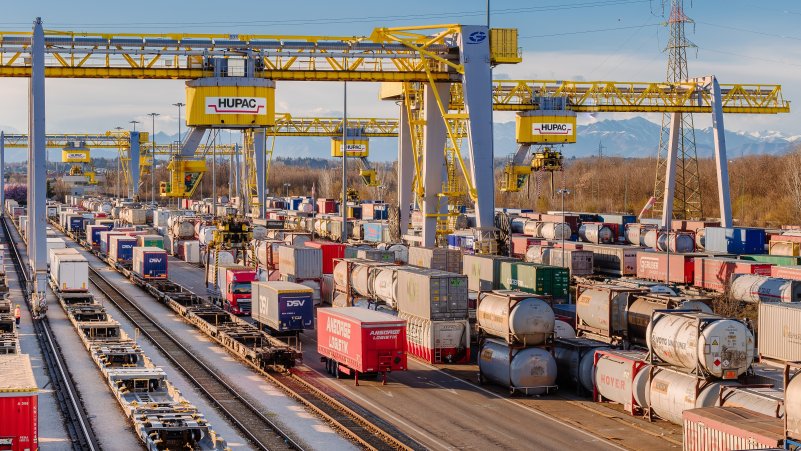
    The creation of a single European railway area remains a more than valid project, but achieving this objective is proving far from straightforward. The main testing ground directly involving Italy is the Brenner axis, also because this cross-border route has long been under the spotlight. A central role is played by the Brenner Corridor Platform (Bcp), which brings together several working groups under the presidency of the European Coordinator for the Scandinavian–Mediterranean Corridor, Pat Cox. The vision pursued by the transport ministries and infrastructure managers of Italy, Austria and Germany, together with Bbt, the company building the base tunnel, is to create a harmonised corridor from Munich to Verona, laying the foundations now to make the most of the future rail infrastructure.

    Beyond the commitment shown by the institutions, which cannot be denied, much remains to be done. Evidence of this emerges from the Bcp documents. The Platform has carried out an in-depth analysis of all regulations in force on the railways of the three countries. Focusing solely on operational rules for train drivers, sixty different sets of regulations across the three railway administrations were analysed and compared. The outcome showed that for fewer than half no adjustments are required, thanks to existing cross-border harmonisation, while for 36 national rules action is needed. The Bcp has therefore developed its own proposals and forwarded them to the competent national authorities so that appropriate measures can be adopted. This is all the more important given the significant medium-term prospects for the Brenner, as highlighted by a freight transport study produced by the Platform itself.

    Some guidelines emerge. The expected infrastructure development along the Brenner rail axis will contribute to a significant reduction in generalised transport costs. This factor, combined with growth in trade flows, particularly between Italy and central and western Europe and between Austria and Germany and eastern European countries, lays the foundations for a substantial increase in modal share in favour of rail.

    The potential growth of rail traffic already appears significant in the medium term and will be even greater in the long term. It is therefore necessary, the study states, to remove the remaining bottlenecks in each country, which are significant in the medium term, along the axis. In addition, “transport policy actions can lead to further significant increases in rail traffic compared with current conditions, shifting traffic volumes from road to combined rail transport”.

    Supporting these arguments are two studies on the capacity of the Brenner corridor prepared by the Bcp in December 2025. The first refers to a traffic projection with a horizon in the middle of the 2030s, while the second looks to the mid-2040s. In both cases, the base tunnel is assumed to be open to traffic and in operation. In the first projection, however, some infrastructure limitations would remain, especially in Germany, while in the second scenario all planned access works are assumed to be completed.

    The hourly paths available for freight trains in Bolzano will be 158 in the 2030s, rising to 214 in the 2040s. The base tunnel together with the historic line indicate an initial capacity of more than 200 paths, increasing to almost 280. The greatest potential is achieved with the full quadrupling of the line on the Austrian side, where figures of 258 paths are mentioned, rising to more than 330.

    Piermario Curti Sacchi

    © TrasportoEuropa - Riproduzione riservata - Foto di repertorio
    Segnalazioni, informazioni, comunicati, nonché rettifiche o precisazioni sugli articoli pubblicati vanno inviate a: redazione@trasportoeuropa.it


      Puoi commentare questo articolo nella pagina Facebook di TrasportoEuropa

      bottone newsletter piccolo Vuoi rimanere aggiornato sulle ultime novità sul trasporto e la logistica e non perderti neanche una notizia di TrasportoEuropa? Iscriviti alla nostra Newsletter con l'elenco ed i link di tutti gli articoli pubblicati nei giorni precedenti l'invio. Gratuita e NO SPAM!


    CONTENUTI SPONSORIZZATI


Videocast K44

Aereo

  • Rallenta la crescita a luglio 2026 dei noli aerei

    Rallenta la crescita a luglio 2026 dei noli aerei

    I noli spot del trasporto aereo delle merci sono saliti del 28% su base annua a luglio, a 3,12 dollari per kg, ma il ritmo di crescita rallenta per il secondo mese consecutivo. Secondo Xeneta il mercato affronta una seconda metà del 2026 più debole, con pochi segnali di stagione …

Ferrovia

  • FS Logistix avvia la sperimentazione dell’Hvo

    FS Logistix avvia la sperimentazione dell’Hvo

    Il biocarburante Hvo alimenta due locomotive in prova in Mercitalia Rail, i locomotori di manovra di Santo Stefano Magra e Valdellora e ventuno veicoli industriali Euro VI. Nel 2025 ne sono stati consumati 19mila litri, con circa 40 tonnellate di anidride carbonica evitate rispetto al gasolio fossile.

Persone

  • L’autotrasporto perde Maurizio Longo

    L’autotrasporto perde Maurizio Longo

    Dopo una lunga malattia, il 11 agosto 2026 è morto Maurizio Longo, segretario generale di Trasportounito, associazione dell’autotrasporto di cui è stato anche tra i fondatori dopo anni di lavoro nella Fita Cna.
Un Volvo FH speciale per i cent’anni della Casa svedese

TECNICA

Un Volvo FH speciale per i cent’anni della Casa svedese
previous arrow
next arrow
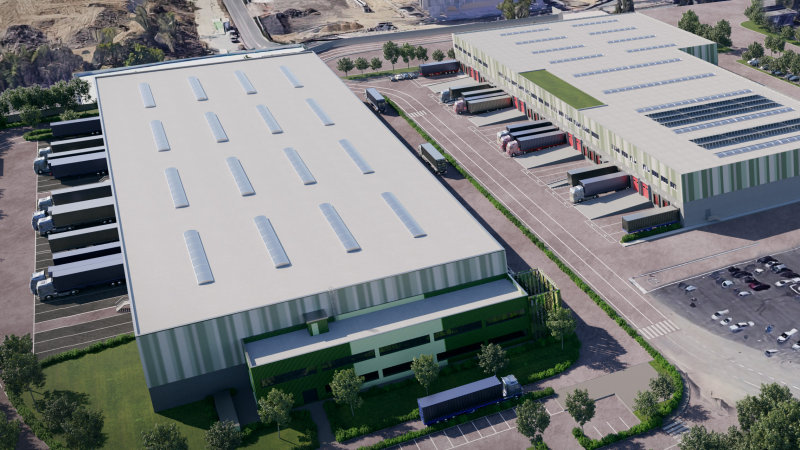
Si allarga il perimetro del ciberattacco a Ceva Logistics

LOGISTICA

Si allarga il perimetro del ciberattacco a Ceva Logistics
previous arrow
next arrow
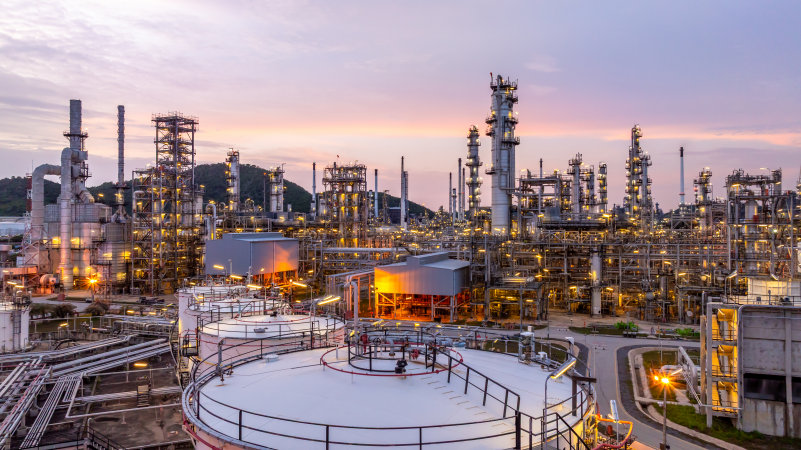
Perché il gasolio corre mentre il greggio frena

ENERGIE

Perché il gasolio corre mentre il greggio frena
previous arrow
next arrow
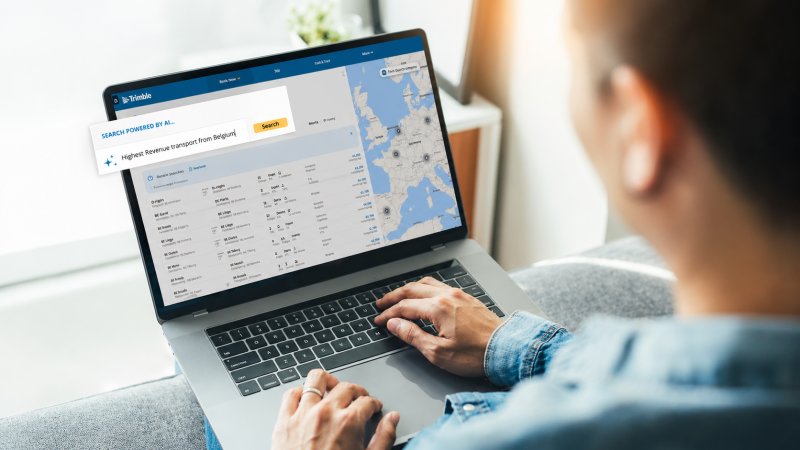
Un agente IA di Trimble dedicato alla logistica

SERVIZI

Un agente IA di Trimble dedicato alla logistica
previous arrow
next arrow