





Array ( [0] => 8 [1] => 10155 )

Podcast K44

Cronaca

  • Sequestrati in Sicilia due autocarri con targhe non proprie

    Sequestrati in Sicilia due autocarri con targhe non proprie

    La Sezione Polizia Stradale di Caltanissetta ha sequestrato due autocarri intestati a una ditta autotrasporto che erano privi di copertura assicurativa e con targhe riferite ad altri veicoli. Il secondo camion era stato inviato dall'impresa per trasbordare il carico del primo. Sanzioni per circa 8mila euro.

Transpotalk

Normativa

Mare

Autotrasporto

  • L’autotrasporto chiede un incontro urgente al Governo

    L’autotrasporto chiede un incontro urgente al Governo

    Le associazioni dell'Albo degli autotrasportatori denunciano la mancata emanazione dei provvedimenti attuativi dell'intesa raggiunta a Palazzo Chigi il 22 maggio. Sul tavolo la proroga della compensazione dei crediti d'imposta, il quadro temporaneo europeo sugli aiuti di Stato, i valori indicativi di riferimento e il prezzo dei carburanti extrarete.

    Alert over GNSS interference in central and northern Europe

    The war in Ukraine is affecting road freight transport in central and northern Europe, even beyond the borders of the country invaded by Russia. The impact is not through missiles or drones, but via electronic systems that interfere with the GNSS satellite signal, which is essential for tracking commercial vehicles. In addition to disrupting vehicle localisation, the interference can compromise the operation of second-generation smart digital tachographs and other digital services in lorries. A signal outage, for instance, might interrupt the recording of driving times, exposing drivers to possible penalties. In such cases, the driver must immediately print out the tachograph data and note on the printout that the GNSS signal was unavailable due to a likely local interference. If the issue recurs, especially in areas where no interference has been reported, recalibration of the tachograph is advised.

    The affected region includes Poland, the Baltic states and Scandinavia. In 2024 alone, these countries reported numerous terrestrial and airborne interferences: 1,200 incidents were recorded in Finland in the first four months of the year (compared to 239 in all of 2023), 1,240 in the Baltic states, 544 in Poland, 800 in Sweden, and 300 in Norway, along with a further 85 reports from Romania, mostly in the Black Sea area. In total, approximately 4,300 reports were filed, prompting thirteen EU governments to write to the European institutions at the beginning of June 2025, urging intervention against interference believed to originate from Russia and Belarus.

    In the letter, transport and digital affairs ministers called on Brussels to accelerate the implementation of interference-resistant GNSS services, enhance the overall resilience of critical infrastructure, and strengthen security across Europe. As Lithuanian transport minister Eugenijus Sabutis pointed out, GNSS signal disruptions have a direct impact on strategic sectors such as transport, energy and telecommunications.

    The letter outlines two main types of GNSS interference: jamming and spoofing. Jamming involves the deliberate transmission of powerful radio signals on the same frequency as GNSS signals, disrupting or overpowering the weak signals received from satellites, resulting in partial or total loss of satellite navigation functionality. It can be carried out using relatively simple devices operating over limited areas and is also used by criminals to hijack lorries. Spoofing, by contrast, is a more sophisticated attack, typically conducted by states, involving the transmission of false GNSS signals that mimic genuine satellite signals, thereby manipulating navigation systems and potentially leading ships, aircraft or vehicles off course.

    The growing number of interference incidents appears to be closely linked to the war in Ukraine, both in terms of timing and location. While European countries point the finger at Russia and Belarus, it is worth noting that Ukraine is also actively engaged in the conflict and that NATO conducts regular military exercises in the Baltic and central-northern European regions. In all cases, the term hybrid warfare is now openly used. This presents a serious challenge at a time when satellite signals are essential for the movement of goods by land, air and sea.


    © TrasportoEuropa - Riproduzione riservata - Foto di repertorio
    Segnalazioni, informazioni, comunicati, nonché rettifiche o precisazioni sugli articoli pubblicati vanno inviate a: redazione@trasportoeuropa.it


      Puoi commentare questo articolo nella pagina Facebook di TrasportoEuropa

      bottone newsletter piccolo Vuoi rimanere aggiornato sulle ultime novità sul trasporto e la logistica e non perderti neanche una notizia di TrasportoEuropa? Iscriviti alla nostra Newsletter con l'elenco ed i link di tutti gli articoli pubblicati nei giorni precedenti l'invio. Gratuita e NO SPAM!


    CONTENUTI SPONSORIZZATI


Videocast K44

Aereo

  • La domanda di cargo aereo supera la capacità ad agosto 2026

    La domanda di cargo aereo supera la capacità ad agosto 2026

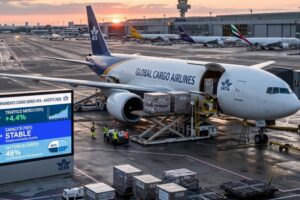
    Le rilevazioni della Iata ad agosto 2026 mostrano che il trasporto merci aereo mondiale è cresciuto del 4,4% su base annua mentre la capacità è sostanzialmente stabile, portando il riempimento al 46%. Guidano Nord America e Asia-Pacifico, arretrano i corridoi mediorientali e il cherosene sale a 157 dollari al barile.

Ferrovia

  • Aperto il dibattito sulla nuova ferrovia  Avigliana-Orbassano

    Aperto il dibattito sulla nuova ferrovia Avigliana-Orbassano

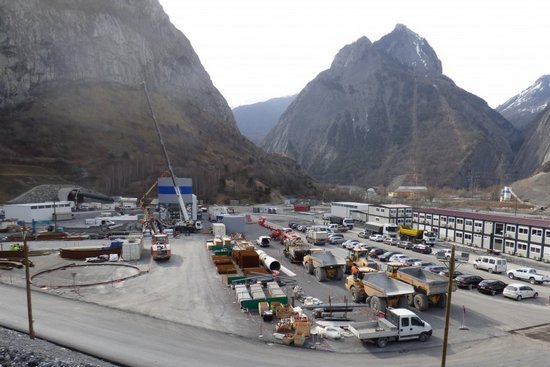
    Si è svolta una manifestazione contro la nuova ferrovia Avigliana-Orbassano, che rientra nel progetto della Torino-Lione. Paolo Foietta componente italiano nella commissione Intergovernativa (già commissario e presidente dell'Osservatorio) replica agli oppositori.

Persone

  • L’autotrasporto veronese perde Francesco Corsi

    L’autotrasporto veronese perde Francesco Corsi

    Il 26 settembre 2026 è morto nella sua casa di Colognola ai Colli l’autotrasportare veneto Francesco Corsi. Cominciò nel 1960 con un Leoncino e l’omonima azienda Corsi, specializzata nel trasporto logistica a temperatura controllata e insediata nell'interporto Quadrante Europa di Verona.

Allo Iaa Tata ha mostrato la sua tecnologia per veicoli industriali

TECNICA

Allo Iaa Tata ha mostrato la sua tecnologia per veicoli industriali
previous arrow
next arrow
Berlino vieta a Cosco di acquisire lo spedizioniere Zippel

LOGISTICA

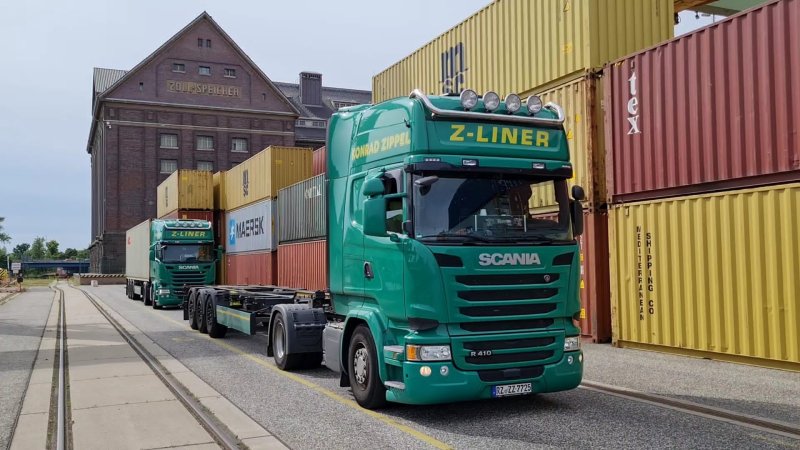
Berlino vieta a Cosco di acquisire lo spedizioniere Zippel
previous arrow
next arrow
Scoperta a Venezia una frode sui carburanti

ENERGIE

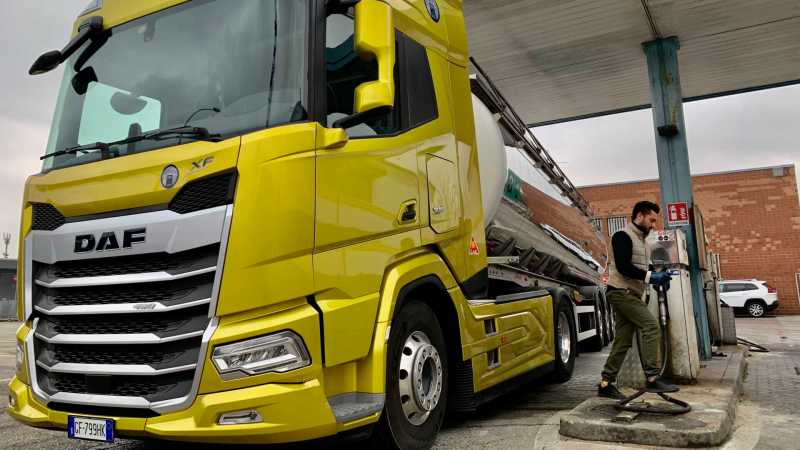
Scoperta a Venezia una frode sui carburanti
previous arrow
next arrow
Sanilog avvia una nuova campagna oncologica

SERVIZI

Sanilog avvia una nuova campagna oncologica
previous arrow
next arrow