










Amazon plans to invest more than €16 billion in Germany in 2027. The group announced the commitment on 20 October 2026 at the Invest in Germany Summit in Berlin, attended by Chancellor Friedrich Merz and Federal Minister for Economic Affairs and Energy Katherina Reiche. The investment programme covers four areas: the expansion of data centres and artificial intelligence infrastructure, satellite connectivity through the Amazon Leo network, new logistics projects and a range of Prime Video productions. Amazon disclosed a financial breakdown only for its cloud operations, without specifying how much would be allocated to the other areas, including logistics. The company will spend €4.8 billion on expanding its AWS Europe (Frankfurt) Region, which has been operating since October 2014. Since its launch, Amazon says it has invested a double-digit billion-euro sum in Germany's cloud infrastructure. This includes the AWS European Sovereign Cloud, hosted in Germany and available since January 2026. Stefan Höchbauer, AWS vice-president of global sales for Germany and Central Europe, linked the investment to growing business demand for cloud and artificial intelligence services.
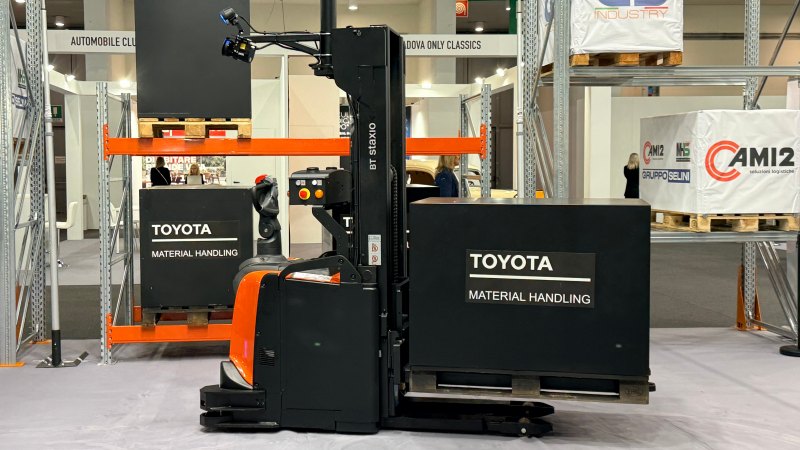
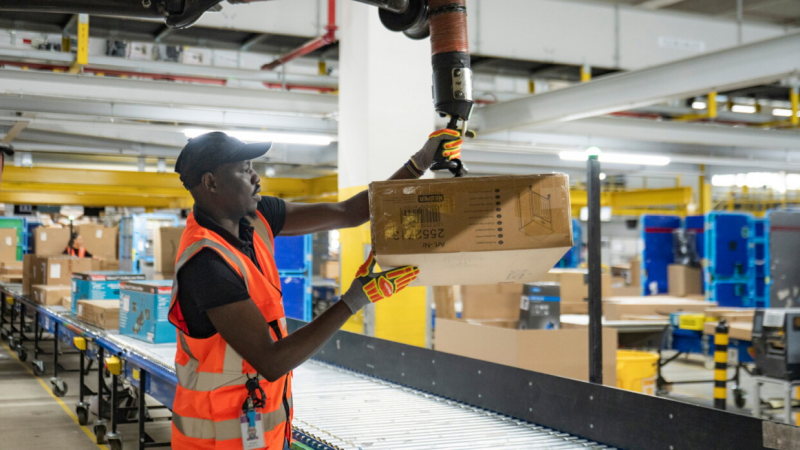
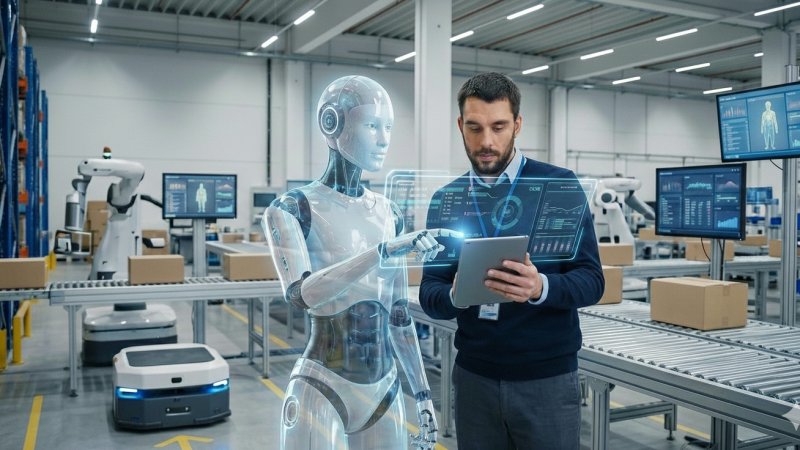
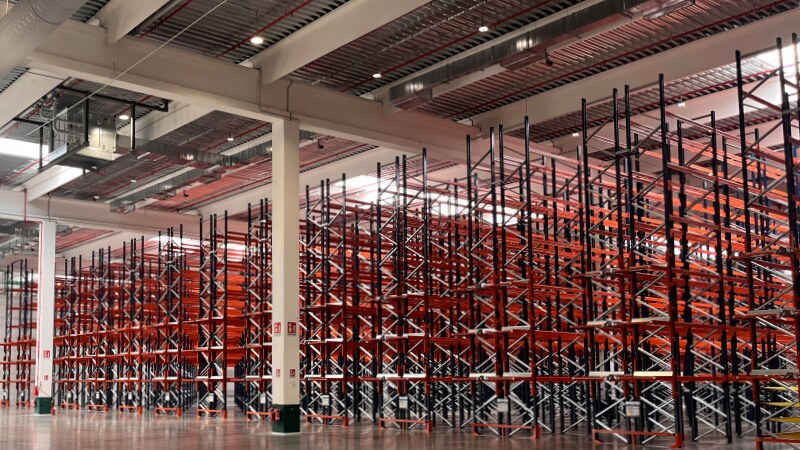
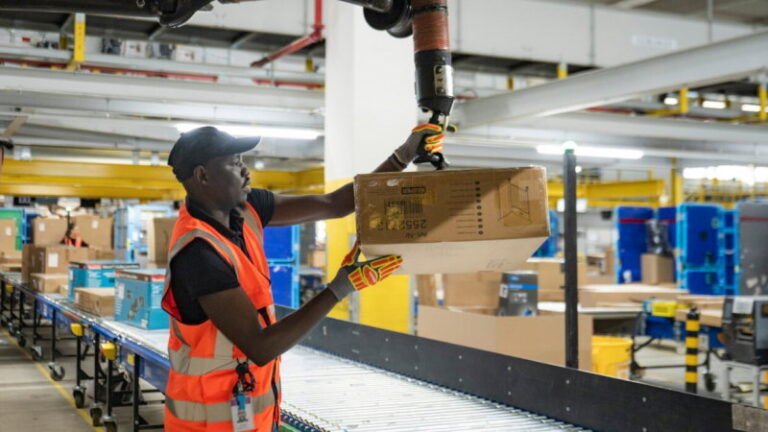
In logistics, the investment will focus on modernising the existing network and increasing automation to improve workplace ergonomics and make deliveries faster and more reliable. Upgrades at distribution centres in Bad Hersfeld, Dortmund and Werne are due to be completed in 2027, while work at Koblenz, Pforzheim and Rheinberg will continue until 2028. Amazon will open a distribution centre in Zweibrücken by the end of 2026, where recruitment is already under way, while another facility is being built in Könnern. These previously announced projects are expected to create more than 3,000 jobs in total. The company says full-time logistics employees earn an average gross annual salary of €41,600 after two years, with up to €4,500 also available for vocational training. As part of its automation programme, Amazon will soon open a second robotics and artificial intelligence research laboratory in Berlin. Research will focus on how employees interact with automated systems during order fulfilment. The new centre will recruit specialists, including applied scientists and engineers working on hardware, software and robotic systems integration.
The programme also includes Amazon Leo, the company's low Earth orbit satellite constellation designed to provide high-speed internet access in areas underserved by existing networks. Amazon has booked 24 launches with Arianespace. Oxford Economics estimates that Germany will see the second-largest economic impact from the project among European markets, reflecting the presence of several ArianeGroup and MT Aerospace facilities in the country. MT Aerospace is one of ArianeGroup's main suppliers. Prime Video, which has already produced more than 65 local titles in Germany with production companies including Ufa, Constantin Film and Bavaria Film, plans to make more than 15 additional productions by the end of 2027.
The new programme comes on top of more than €100 billion that Amazon says it has invested in Germany since 2010. "We have created more than 40,000 permanent jobs, built over 100 sites and invested more than €100 billion in Germany, and we are not stopping there," said Rocco Bräuniger, Amazon's country manager for Germany. Of the 40,000 employees, 3,000 work for AWS. David Zapolsky, Amazon's global head of public policy and legal affairs, described Germany as one of Europe's most attractive investment opportunities. Minister Reiche said high-performance data centres were the foundation of the digital economy and could help German industry establish a leading position in the application of artificial intelligence to manufacturing.
Some of Amazon's commitments also concern energy and water. The company is Germany's largest corporate purchaser of carbon-free energy and has enabled the development of facilities with more than 1.3 GW of capacity, including wind farms in the North Sea and Baltic Sea. Once fully operational, these projects are expected to generate electricity equivalent to the annual consumption of more than 1.8 million households. Amazon's German data centres use outside-air cooling without water for approximately 95% of the time. On hotter days, planned facilities will use collected rainwater. The company has pledged to return more water than its data centres consume by 2030 and says it has reached 75% of that target. It also supports two water projects in Frankfurt and another with the environmental association Nabu, which is expected to replenish groundwater supplies by more than 750 million litres a year.