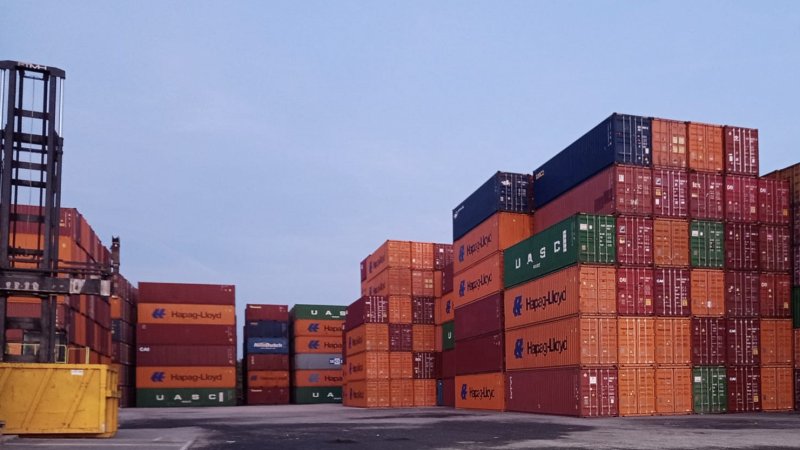










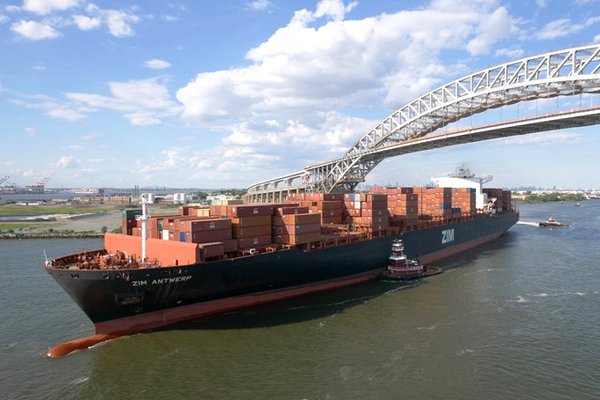
The Israeli government does not want to hand shipping company Zim over to Germany’s Hapag-Lloyd and has shown this on several occasions. The latest was the meeting of the eight authorities required to give their view on the deal. The meeting has been postponed until 9 September 2026, but Israeli sources, including business daily Calcalist and Ynet, say it has already emerged that most of the parties involved are inclined to issue a negative opinion. For now, completion of the deal is still expected by the end of 2026, for a value of $4.2 billion, about €3.6 billion. Israel’s ministries of Defence, Economy and Agriculture have already announced their opposition, joined by the Ministry of Transport, whose position is based on the technical assessment of the Shipping and Ports Authority. The Ministry of Finance has not yet announced a position, but within it the Accountant General’s Department is understood to be leaning against the deal, while the National Security Council has yet to state its view.
At the centre of the issue is the structure of New Zim, the separate Israeli company that would be created through the spin-off to ensure Israel has a directly controlled merchant fleet. It would operate with 16 vessels, compared with the 11 set as the minimum threshold under the current golden share mechanism, and would start operations debt-free, against Zim’s $2.9 billion, about €2.5 billion, in debt, with guaranteed access to Hapag-Lloyd’s global network. The buyers have also guaranteed the retention of Israeli crews, a regional division with 200 employees and a technology hub employing between 250 and 300 people.
In the second opinion submitted in the penultimate week of August 2026, the director of the Shipping and Ports Authority, Tzadok Radker, said the positive elements identified by the buyers do not offset the fundamental issues concerning effective control of operations, the long-term sustainability of the new company and the protection of national interests linked to the golden share. Control over transport capacity, access to the global network and operating infrastructure would in fact remain in Hapag-Lloyd’s hands, while Radker recognises, among the positive aspects of the proposal, the commitment to train new Israeli seafarers.
Hapag-Lloyd and Fimi dispute the assessment procedure followed so far: they say they have answered 120 of the 174 questions received from the eight authorities and submitted 40 documents, totalling about 600 pages, in support of the argument that the Israeli New Zim would be stronger than the current company. Israeli fund Fimi complains that it has had only three brief meetings with representatives of the Accountant General’s Department, the Defence ministry and the Shipping and Ports Authority) and has submitted favourable opinions signed by EY, Bcg and former authority director Yigal Maor. The transaction was already approved by Zim’s shareholders in April 2026. In the second quarter of 2026, the company generated revenue of $1.78 billion, about €1.54 billion, up 9%, and net profit of $64 million, about €55 million, up 170%, while continuing to operate under the merger agreement signed in February.
Antonio Illariuzzi