



Array ( [0] => 8 [1] => 10155 )

Podcast K44

Cronaca

  • Sequestrati in Sicilia due autocarri con targhe non proprie

    Sequestrati in Sicilia due autocarri con targhe non proprie

    La Sezione Polizia Stradale di Caltanissetta ha sequestrato due autocarri intestati a una ditta autotrasporto che erano privi di copertura assicurativa e con targhe riferite ad altri veicoli. Il secondo camion era stato inviato dall'impresa per trasbordare il carico del primo. Sanzioni per circa 8mila euro.

Transpotalk

Normativa

Mare

  • Le rotte europee spingono i noli container

    Le rotte europee spingono i noli container

    Il World Container Index di Drewry sale del 3% a 4.485 dollari per container da 40 piedi, trainato dall'Asia-Europa, dove i noli spot medi tornano a crescere dopo tredici settimane di calo. Sul transpacifico Los Angeles guadagna il 3%, New York cede l'1%.

Autotrasporto

  • L’autotrasporto protesta in sei regioni

    L’autotrasporto protesta in sei regioni

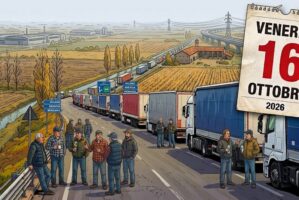
    Il 16 ottobre 2026 si contano presidi e fermi degli autotrasportatori dalla Sicilia al Molise contro il caro gasolio. Rallentamenti nei porti di Gioia Tauro e Palermo e in alcuni tratti autostradali. Il ministero dei Trasporti potrebbe anticipare al 20 ottobre il tavolo con le associazioni e sbloccare 590 milioni …

    Slovenia considers limits on diesel refuelling

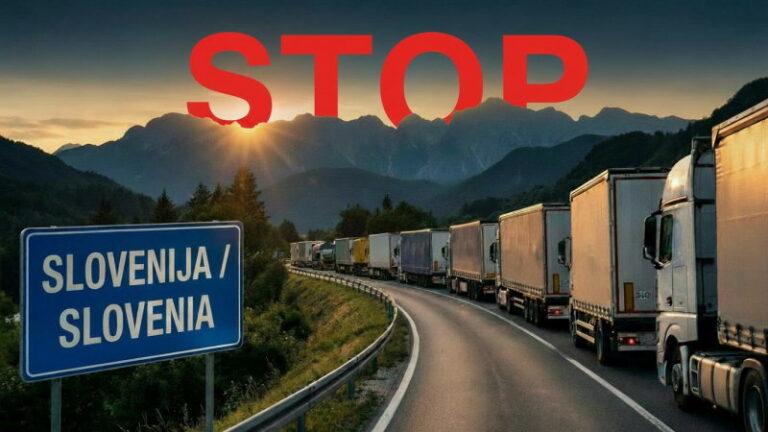
    In the first weeks of March 2026, Slovenia is dealing with a growing influx of foreign vehicles – particularly lorries from Italy, Austria and Croatia – heading to stations across the border to refuel with cheaper diesel. The phenomenon, which surged after the excise duty cut introduced by the government on 10 March, has brought diesel prices down to €1.528 per litre, compared with an Italian average of €2.10 per litre for self-service fuel as of 18 March 2026, according to daily data from the Ministry of Enterprises. The price gap, which reaches €0.57 per litre and in some cases exceeds €0.60, has led to queues and logistical tensions, especially in the Nova Gorica area and along routes linking to Friuli Venezia Giulia.

    The government led by Robert Golob, through the Minister of the Environment, Climate and Energy Bojan Kumer, has ruled out immediate risks to national reserves but confirmed local distribution issues, with some stations temporarily running out of diesel. The response is twofold: a gradual release of strategic reserves and an assessment of measures to limit foreign demand, with the aim of ensuring supply continuity for residents and stabilising the distribution network.

    The options under review focus on tools to selectively curb inflows. These include introducing caps on the number of litres per refuelling at service stations near the border and forms of priority access for Slovenian residents during peak hours. According to several local media sources, a geographically targeted approach is also being considered, with restrictions applied especially in areas most exposed to cross-border demand. If implemented, such measures would directly affect how international fleets plan their refuelling.

    The key issue concerns the compatibility of any restrictions with EU rules on the free movement of goods. Measures explicitly based on nationality or residence could raise concerns at EU level, requiring Ljubljana to find technically neutral solutions that are still effective in reducing pressure on border fuel stations. In this context, the introduction of general limits on purchasable volumes appears one of the more viable options, albeit less selective.

    For the road haulage sector, the price differential has already had tangible operational effects. Thousands of lorries cross the border every day, planning routes so they can refuel in Slovenia with tanks close to empty. The savings per trip are significant: between €240 and €400 for a standard fill of 600–800 litres, with higher figures for vehicles equipped with dual tanks. However, this economic advantage is not evenly distributed.

    The release of strategic reserves, already under way, is a short-term response to logistical bottlenecks but does not address the demand driven by the price gap. For this reason, the restrictive measures under consideration are central to the Slovenian government’s strategy. Their possible introduction could reshape, in the short term, refuelling routes for road freight transport in the Alpine-Adriatic area, with effects on both companies’ operating costs and pressure on neighbouring countries’ distribution networks.

    Antonio Illariuzzi

    © TrasportoEuropa - Riproduzione riservata - Foto di repertorio
    Segnalazioni, informazioni, comunicati, nonché rettifiche o precisazioni sugli articoli pubblicati vanno inviate a: redazione@trasportoeuropa.it


      Puoi commentare questo articolo nella pagina Facebook di TrasportoEuropa

      bottone newsletter piccolo Vuoi rimanere aggiornato sulle ultime novità sul trasporto e la logistica e non perderti neanche una notizia di TrasportoEuropa? Iscriviti alla nostra Newsletter con l'elenco ed i link di tutti gli articoli pubblicati nei giorni precedenti l'invio. Gratuita e NO SPAM!


    CONTENUTI SPONSORIZZATI


Videocast K44

Aereo

  • Lufthansa Cargo estende la rete in Asia

    Lufthansa Cargo estende la rete in Asia

    Con l'orario invernale in vigore dal 25 ottobre 2026 Lufthansa Cargo opera 88 rotte con aerei cargo verso 40 destinazioni, aggiunge Singapore e ripristina Almaty. A Mumbai i voli tutto merci passano al nuovo aeroporto di Navi Mumbai, mentre crescono le frequenze verso Dallas, Houston e New York.

Ferrovia

  • Cassa integrazione in due cantieri del Terzo Valico

    Cassa integrazione in due cantieri del Terzo Valico

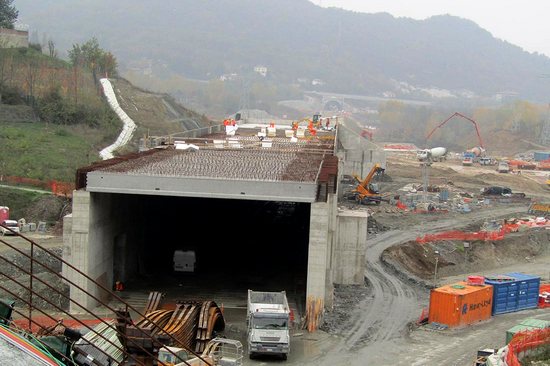
    Seli Overseas, società del gruppo Webuild, ha comunicato tredici settimane di cassa integrazione ordinaria per circa 300 dipendenti dei cantieri di Radimero e Val Lemme. I sindacati la collegano a un presunto contenzioso economico tra Cociv e Rfi, mentre Webuild sollecita al Governo pagamenti su diciotto commesse ferroviarie.

Persone

  • Pessina confermato presidente di Federagenti

    Pessina confermato presidente di Federagenti

    L'Assemblea di Federagenti ha rinnovato all'unanimità la presidenza di Paolo Pessina, alla guida della federazione degli agenti marittimi dall'ottobre 2024. Ha indicato come fronti aperti le crisi geopolitiche che pesano sui porti e la riforma portuale.
Nuova generazione di carrelli automatici Toyota

TECNICA

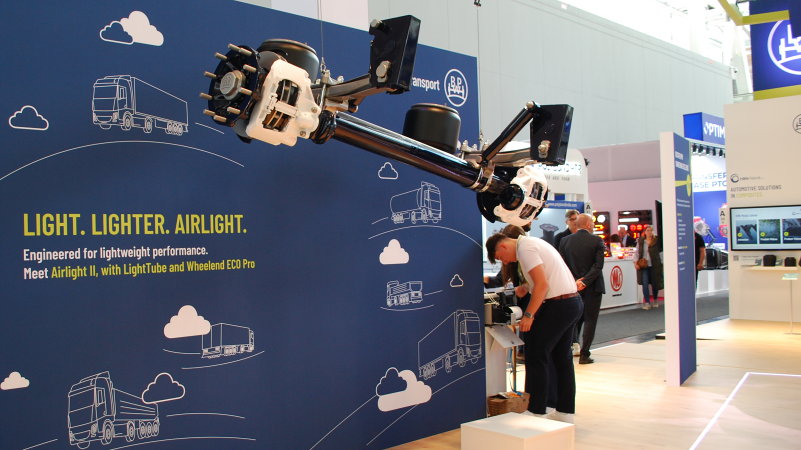
Nuova generazione di carrelli automatici Toyota
previous arrow
next arrow
Pessina confermato presidente di Federagenti

LOGISTICA

Pessina confermato presidente di Federagenti
previous arrow
next arrow
Tre società indagate a Genova per frode sui carburanti

ENERGIE

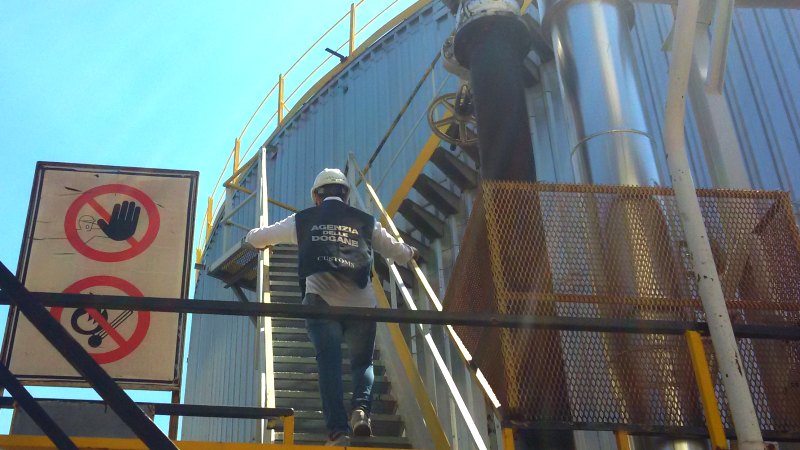
Tre società indagate a Genova per frode sui carburanti
previous arrow
next arrow
Sanilog avvia una nuova campagna oncologica

SERVIZI

Sanilog avvia una nuova campagna oncologica
previous arrow
next arrow