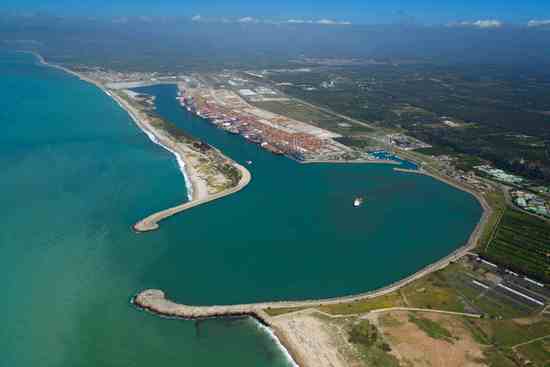
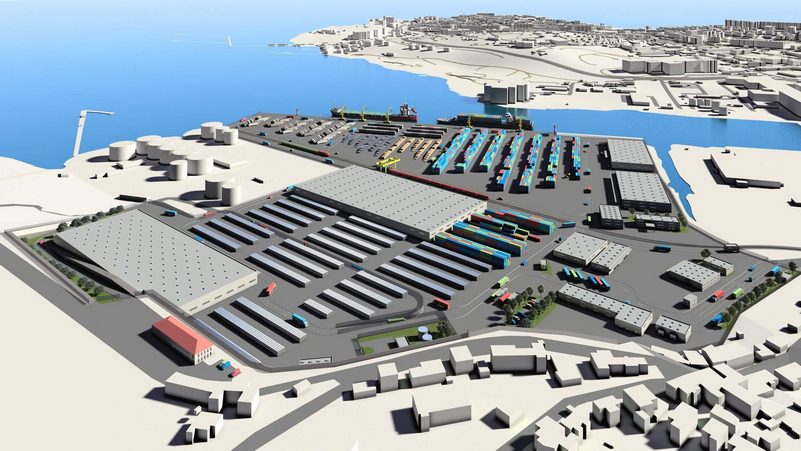





Due provvedimenti firmati dal presidente dell'Autorità di Sistema Portuale dei Mari Tirreno Meridionale e Ionio, Paolo Piacenza, riguardano il porto di Gioia Tauro: il decreto di aggiudicazione dei lavori di completamento del dragaggio del canale portuale e l'ordinanza che avvia il primo lotto del progetto di completamento del sistema di alimentazione delle navi dalla banchina (cold ironing). Piacenza ha collegato questi interventi a due esigenze: mantenere le condizioni di navigabilità richieste dalle navi più grandi, a tutela della competitività dello scalo, e dotare le banchine di un'infrastruttura per ridurre le emissioni durante la sosta. Nella sua dichiarazione ha ricordato anche il ruolo di Gioia Tauro come primo porto di transhipment d'Italia e infrastruttura per il sistema logistico del Centro-Sud.
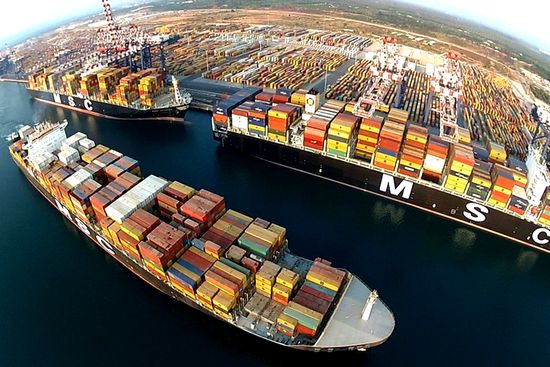
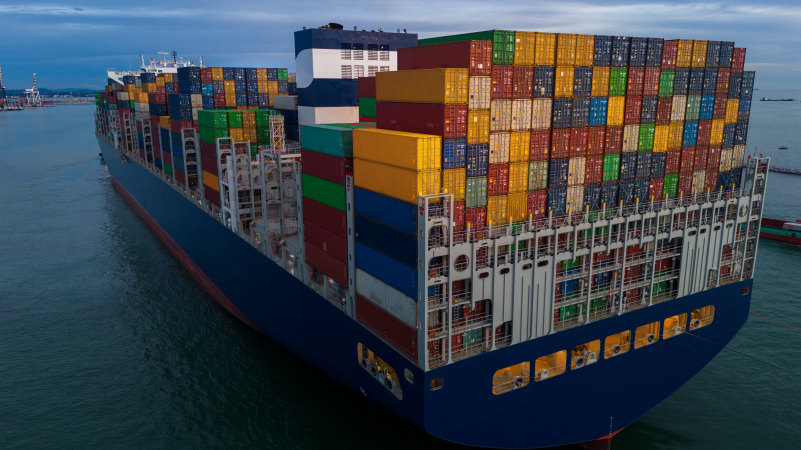
Il dragaggio ottiene un investimento di progetto di cinque milioni di euro e i lavori sono stati aggiudicati alla società spagnola Dravo. L'intervento porta a meno 17 metri i fondali del bacino di evoluzione sud e della banchina Eranova, per una profondità complessiva del canale compresa tra meno 17 e meno 19 metri. Questa caratteristica consente l'ingresso e la movimentazione in sicurezza delle portacontainer di ultima generazione, lunghe più di 400 metri, larghe oltre 64 e in grado di trasportare più di 24mila teu.
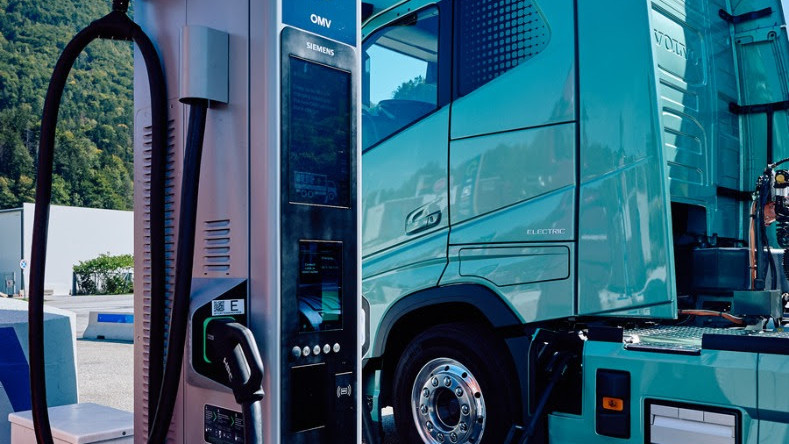
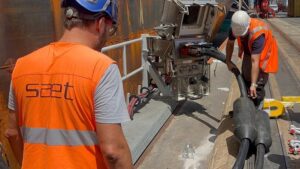
I lavori del primo lotto del cold ironing sono affidati al raggruppamento temporaneo di imprese formato da Saet Spa e Suardi Spa. Parallelamente alla realizzazione della sottostazione elettrica e della seconda cabina di alimentazione, con un investimento iniziale di 30 milioni di euro estendibile a 70 milioni, l'ordinanza presidenziale completa il primo lotto con un'ulteriore presa. Con la seconda cabina e le relative opere elettromeccaniche, la banchina di levante avrà cinque prese elettriche: tre con il primo lotto e due nel secondo intervento. L'Autorità indica per l'intera infrastruttura una potenza complessiva di 160 megawatt, destinata al fabbisogno delle infrastrutture portuali e alle esigenze operative del terminalista MedCenter Container Terminal, con nove prese per l'alimentazione delle navi portacontainer e una al servizio delle navi ro-ro. Il programma complessivo di elettrificazione delle infrastrutture portuali supera i 100 milioni di euro. Il porto ha già portato a termine, nei mesi scorsi, la prima alimentazione da terra di una nave portacontainer, con i motori spenti durante la permanenza in banchina.
M.G.