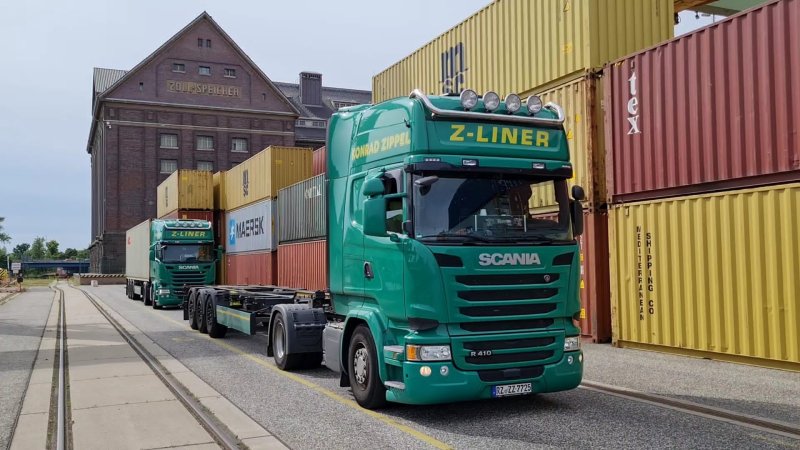








The German cabinet decided on Wednesday 7 October 2026 to prohibit Cosco Shipping Holdings from acquiring an 80% stake in Konrad Zippel Spediteur. The Hamburg-based freight forwarder specialises in container transport between seaports and the hinterland. The Federal Ministry for Economic Affairs conducted the foreign investment review and justified the ban on the grounds that the transaction could increase strategic dependencies and undermine the resilience of German and European supply chains.
The veto comes eight months after clearance from the competition authority Bundeskartellamt (Federal Cartel Office), which approved the same acquisition on 20 February. It specified that it had assessed only the effects on the market, while security considerations fell to the Ministry for Economic Affairs under the Foreign Trade and Payments Act and Ordinance. The authority’s president, Andreas Mundt, explained that Cosco transports containers by sea while Zippel arranges their onward movement inland. The two companies therefore operate at different levels of the supply chain and are not direct competitors. The investigation found no concrete risk of foreclosure, either for other shipping lines using freight forwarders or for freight forwarders working with shipping lines.
Founded in 1876, Zippel employs around 350 people and primarily arranges the inland transport of containers unloaded in Hamburg and Bremerhaven by rail, road and inland waterways. It handles more than 3,000 trains and 175,000 TEU each year. In June, managing director Axel Plaß cited a market share of around 1.5% to challenge the company’s strategic significance. The government’s concerns, however, centred on connections with eastern Germany. Zippel handles a significant share of containers at the inland terminals in Berlin, Schkopau and Elsterwerda. According to the ministries opposing the acquisition, control of these operations could have given China a means of exerting pressure during a political crisis. The ministries responsible for economic affairs, foreign affairs, defence, the interior and finance supported the ban. The Defence Ministry also highlighted logistics support for the Bundeswehr (German armed forces) and the importance to NATO of connections towards Germany’s eastern border.
The acquisition was notified to the competition authority on 22 December 2025. Cosco would have acquired its stake in Zippel through its Dutch subsidiary Goldlead Supply Chain Development (Europe). Plaß, who holds 70% of the company’s capital, would have retained a 20% stake and operational management, while fellow shareholder Kröger would have sold his entire 30% holding. The first objections emerged in late April in a written opinion from the Bundesamt für Verfassungsschutz (Federal Office for the Protection of the Constitution), Germany’s domestic security service. It expressed concern about the Chinese group’s wider acquisition plans in Germany and the European Union. In responses to the Bundestag (German federal parliament), the government stated that, in the spring, Zippel was not registered as a critical infrastructure operator under the IT Security Act.
For Cosco, Zippel would have been its second major investment in Hamburg. Since 2023, the group has held, through Cosco Shipping Ports, a 24.99% stake in the company operating Hhla’s Container Terminal Tollerort. The initial proposal was for a 35% stake, but in 2022 the government authorised only a holding below 25%. Acquiring Zippel would also have given Cosco control of a company providing inland container transport. Plaß acknowledged the ban, although he continued to consider the sale to Cosco the right decision, and assured customers and employees that operations would continue unchanged.
Antonio Illariuzzi