



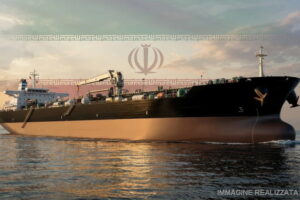
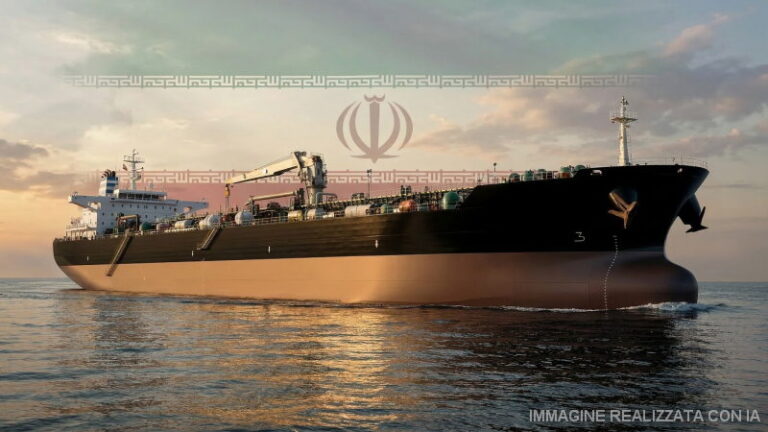
On 8 April 2026, the truce between the United States and Iran comes into force, providing for the reopening of the Strait of Hormuz to commercial traffic. It marks, at least provisionally, the culmination of a crisis that on 28 February turned into reality a threat raised for decades: the closure of the maritime corridor through which a decisive share of crude oil and liquefied natural gas exported from the Persian Gulf to Europe and Asia transits.
US President Donald Trump announced on 6 April, less than two hours before the expiry of his ultimatum, his willingness to suspend bombing raids against Iran for two weeks, on condition that Tehran guaranteed the "complete, immediate and secure reopening" of the strait. The president explicitly referred to discussions with Pakistani Prime Minister Shehbaz Sharif and Chief of Army Staff Asim Munir, acknowledging Islamabad’s decisive role in building the ceasefire.
Pakistan acted as the main mediator in what international media have termed the "Islamabad Agreement": a plan providing for an immediate ceasefire, the reopening of Hormuz within 15-20 days, and the launch of structured negotiations on sanctions, frozen Iranian assets and the nuclear programme. Islamabad has also offered its territory to host subsequent talks between US and Iranian delegations.
Tehran’s response followed a dual-track narrative, aimed at both domestic and international audiences. The new Supreme Leader, Ayatollah Mojtaba Khamenei, approved the agreement after weighing the risk of economic devastation stemming from a large-scale attack on the country’s critical infrastructure. Publicly, however, the Iranian leadership portrayed the reopening as the result of its own negotiating strength, claiming that the United States had accepted "in full" a ten-point plan put forward by Tehran, including commitments to negotiate on sanctions, frozen assets and the nuclear issue. The suspension of the US ultimatum is presented as a political victory.
This hybrid framework, in which both sides claim success before their respective public opinions, is both the defining feature of the agreement and its main point of fragility. The truce is limited to two weeks: once this horizon expires, the absence of tangible progress on the most complex dossiers - sanctions, uranium enrichment, and guarantees on the security of shipping routes - could cause the deal to collapse as quickly as it was reached.
In the days preceding the announcement, Iran itself had indicated it would not reopen Hormuz in exchange for a merely temporary truce, signalling internal divisions over the concession. Draft proposals circulating suggest Tehran intends to retain control over the strait and continue uranium enrichment. Among the options under discussion is the introduction of a levy on every vessel in transit, a measure that would turn the reopening into a permanent tool of economic pressure, with direct implications for operating costs for shipowners and logistics operators.
For international logistics, the reopening offers breathing space, but not a solution. Financial markets reacted with relief to the announcement, with oil prices falling significantly from the peaks recorded in previous weeks. Supply routes to Europe and Asia can resume, Gulf terminals can return to operations, and freight rates may at least partially normalise.
However, analysts stress that without a lasting ceasefire and multilateral guarantees on the security of shipping lanes, the reopening remains structurally fragile. A single incident, a new strike or the failure of the Islamabad negotiations could push the crisis back to critical levels within hours. The Strait of Hormuz has therefore not returned to being a neutral element of the global energy system; it remains a geopolitical weapon, simply not being wielded for the time being.
M.L.