





On 26 November 2025, intermodal operator Modalis and Dunkerque-port announced the start of construction of a new large terminal dedicated to combined road–rail transport. The facility involves an investment of 25 million euros, with the goal of transferring 50,000 loading units a year from lorries to trains, cutting at least 70,000 tonnes of CO₂. Developed under the France Logistique 2030 plan and the European Green Deal, the terminal is scheduled to be operational from spring 2026.
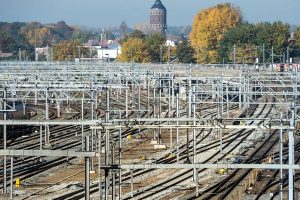
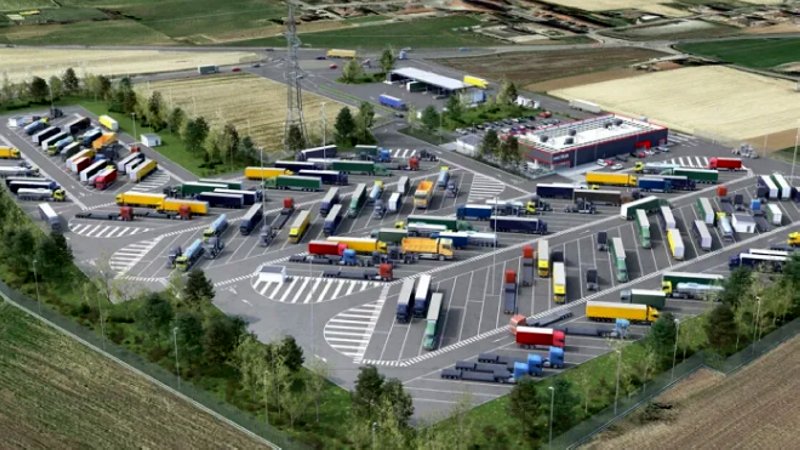
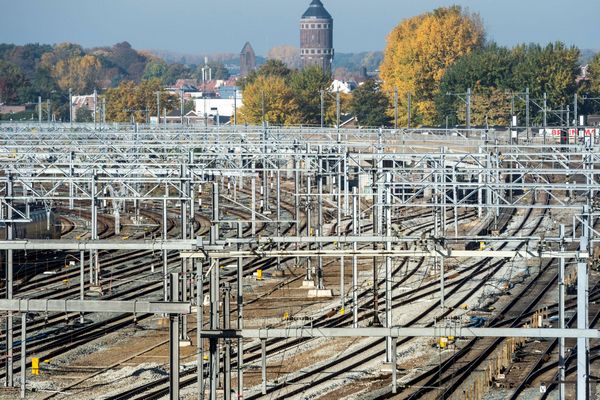
The site will cover 9.6 hectares along the Loon-Plage rail line, close to the ro-ro terminals serving Great Britain and Ireland. Its central position within a major European industrial corridor will allow it to capture continental flows and strengthen the competitiveness of the Dunkerque port area. It will be open to all rail operators and can accommodate up to four 750-metre trains, equivalent to 130–150 semi-trailers each. Storage areas will be able to hold more than 600 loading units.
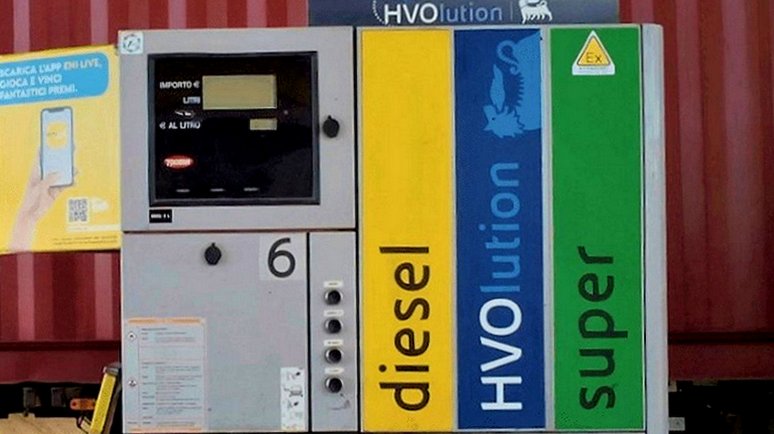
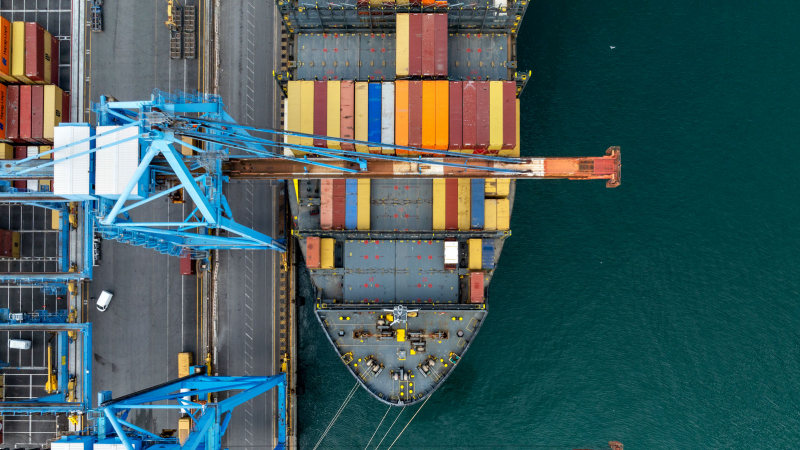
The terminal will be equipped with next-generation handling and traction machinery, including vehicles powered by HVO capable of reducing CO2 emissions by up to 85 per cent, and electric shunters for rail manoeuvring. The project also includes a shared maintenance area accessible to all operators, dedicated to the servicing of wagons, swap bodies and semi-trailers, with the aim of expanding local services and avoiding empty repositioning.
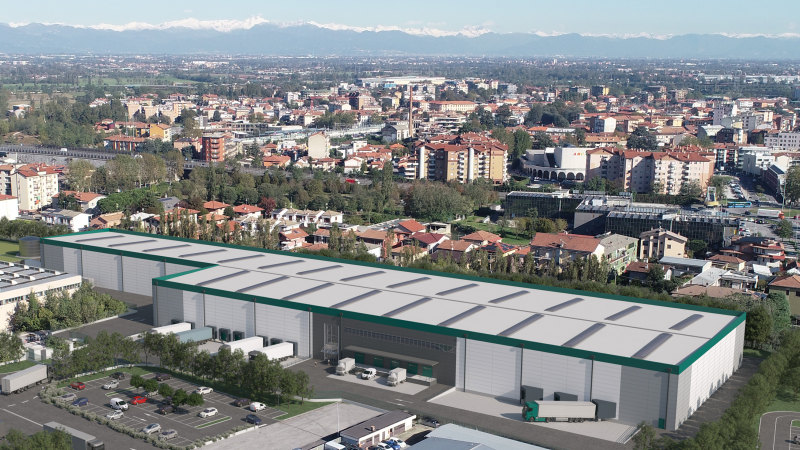
The first regular service will be the Dunkerque–Piacenza route, via Lyon, operated by Delta Rail, part of the Modalis group. The corridor will connect industrial clusters in northern and southern Europe, offering seamless logistics towards the United Kingdom thanks to the maritime links between Dunkerque, Dover and Rosslare operated by DFDS. The launch of activities forms part of the wider green reindustrialisation strategy of the Dunkerque region. This terminal adds to those already managed by Modalis in Burgundy, Lorraine and Italy.