






What triggered the devastating explosion at the loading bay of Eni’s Calenzano depot on 9 December 2024, which caused the deaths of three tanker drivers engaged in loading operations and two maintenance workers, was neither an unavoidable accident nor an unforeseeable anomaly. Instead, it was a systemic failure, as emerges from two expert reports: the first commissioned by the Prato Public Prosecutor’s Office, which is investigating the incident, and the second ordered by the investigating judge, Marco Malerba, and filed during the evidentiary hearing. The two documents, drawn up by different experts, reach the same conclusion: safety was sacrificed on the altar of production continuity.
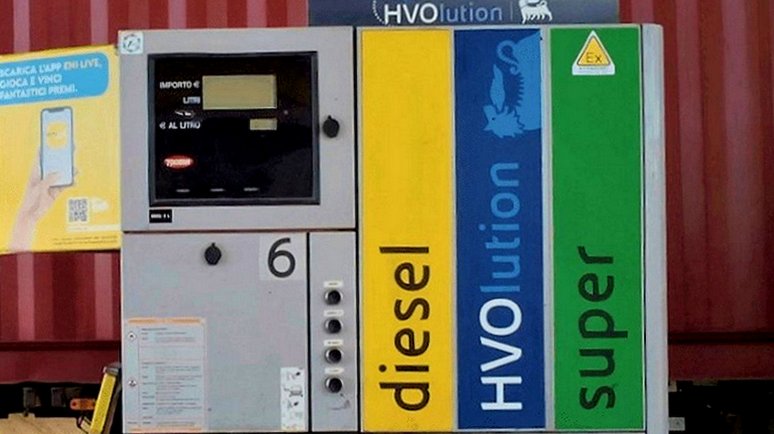
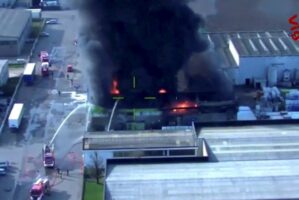
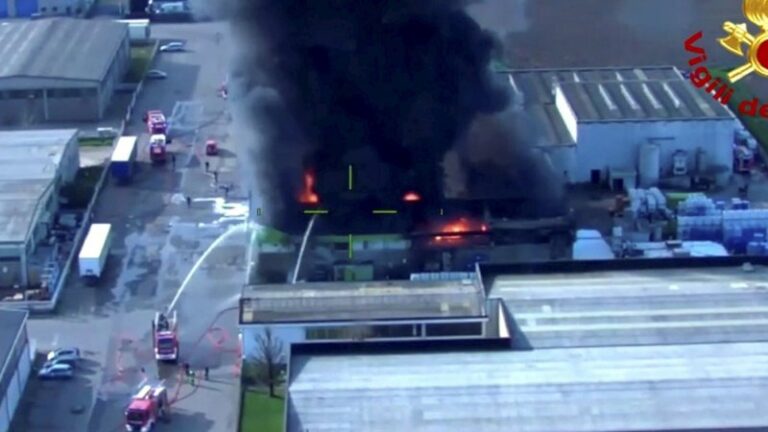
The two reports align in their reconstruction of events. On the morning of 9 December 2024, a team from Sergen, the company responsible for maintenance of the loading bay, was working on valve number 577 to convert a decommissioned line from petrol distribution to the distribution of HVO fuel. At 10.21 am, the workers began the unflanging operation on the valve, convinced that the line was decommissioned and empty. In reality, the pipeline was still active and under pressure. For 33 seconds, a fissure released petrol into the air, creating a highly flammable aerosol cloud. At the thirty-third second, the internal combustion engine of a forklift truck nearby provided the ignition source.
The second expert report specifies that the forklift was not certified to operate in explosive atmospheres, the so-called ATEX zones. As a result, the heat from the engine ignited the vapours, triggering an initial violent explosion in the service pit located between the North corridor and lane 7. From that moment, the dynamics turned into an unstoppable domino effect. Flames immediately engulfed the tanker trucks positioned in the adjacent lanes, which were engaged in loading operations that Eni had chosen not to suspend.
It was precisely this decision, driven according to investigators by the desire not to lose the depot’s daily turnover of €255,000, that the experts identify as the root cause of the tragedy. The simultaneous presence of workers dismantling valves and tanker drivers refuelling vehicles created an interference scenario that the site’s Documento Unico di Valutazione dei Rischi (Duvri, Single Risk Assessment Document) was unable to manage, proving in practice to be a purely formal instrument devoid of operational effectiveness.
The sequence then unfolds with grim physical inevitability. After a series of smaller explosions, the heat generated by the burning tanker trucks began to overheat the fixed storage tanks. Around six minutes after the first blast, the diesel fuel inside the tank in lane 3 reached temperatures high enough to cause structural failure. The experts described this scenario not as an accidental anomaly, but as the materialisation of an inherent and well-known risk that a “fragile” and fragmented safety system failed to intercept. The report ordered by the investigating judge, in particular, is scathing in its assessment of Eni’s Model 231, defining it as a structure that appeared robust on paper but was incapable of translating into real protection for workers.
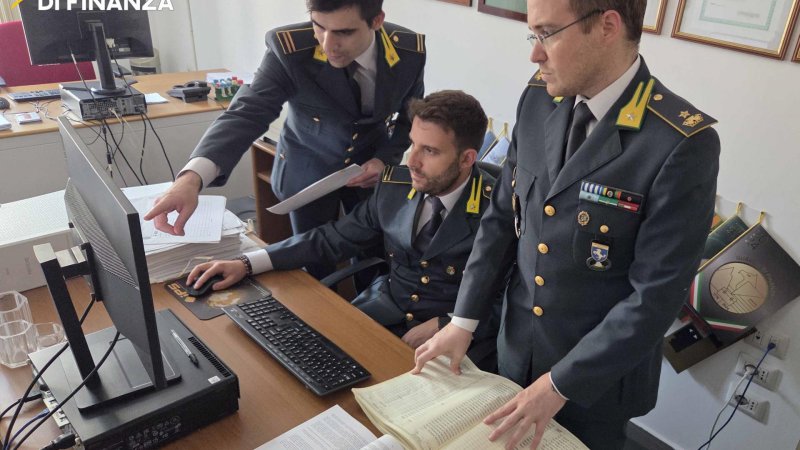
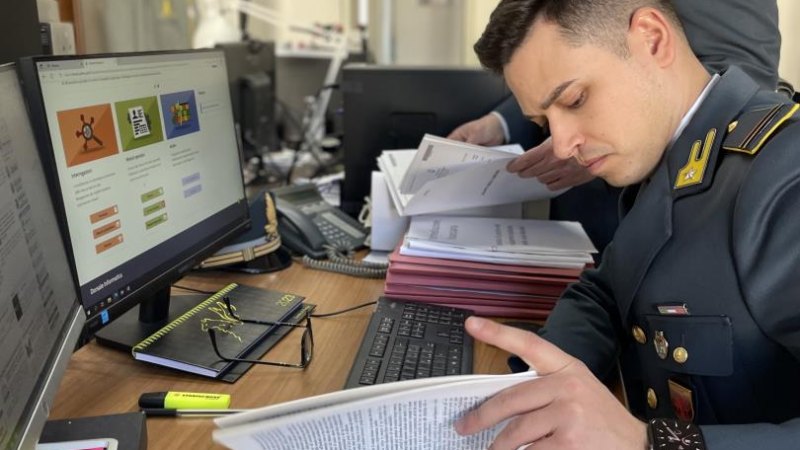
The expert report requested by chief prosecutor Luca Tescaroli focused on the mechanical dynamics and individual responsibilities. Among the experts were Roberto Vassale and Renzo Cabrino, who had previously worked on the Capaci massacre investigation. The report ordered by the investigating judge, a 227-page document, was signed by engineers and academics (Di Benedetto, Lombardi, Dattilo and Vinardi) and shifted the analysis to an organisational and structural level.
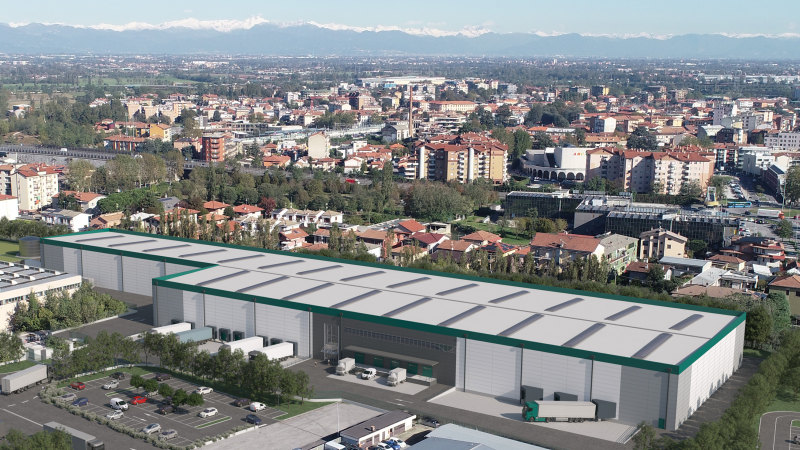
The conclusion of the evidentiary hearing, which took place in December 2025, paves the way for a trial. Initially, seven Eni managers and technicians and two Sergen managers were placed under investigation. In September 2025, an Eni employee was added, accused of having provided incorrect information about the valves. Eni itself is also under investigation for administrative liability. In October 2025, the Calenzano site was released from seizure, and Eni announced that it would be converted into a platform for renewable energy, with the depot being relocated.