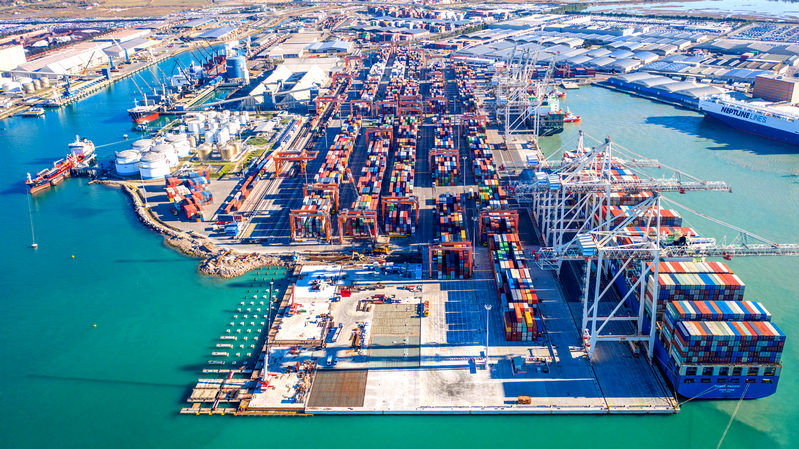



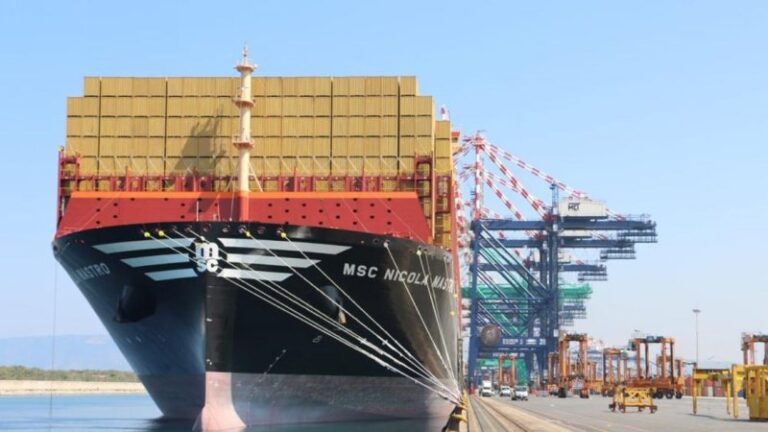
2025 ended as the year of maximum operational expansion for the Italian port of Gioia Tauro, which recorded total throughput of around 4.5 million teu, up 14% compared with 2024. For the first time in its history, the Calabrian hub consistently exceeded the four-million-container threshold, confirming its position as Italy’s leading container port and one of the main transhipment hubs in the Mediterranean. More specifically, Medcenter Container Terminal handled 4,490,566 teu, an overall increase of half a million teu compared with 2024. Growth was spread across the entire year. The terminal got off to a strong start, handling 347,917 teu in January alone, up 12.5% year on year. Around 40% of the international containerised cargo handled by the national port system passes through Gioia Tauro.
The 2025 operating result appears even more significant given the complex backdrop, marked by intense geopolitical tensions and an evolving regulatory framework. The gradual entry into force of the ETS system for maritime transport, which directly affects shipping lines’ costs, and the Red Sea crisis, with the resulting lengthening of routes via the Cape of Good Hope, represented potentially penalising factors for European transhipment ports. Despite this, Gioia Tauro maintained its central role on the main East–West routes, remaining connected to around 120 ports worldwide, including 60 in the Mediterranean, thanks to operational continuity ensured by its main shipping customers, first and foremost MSC and the Grimaldi Group.
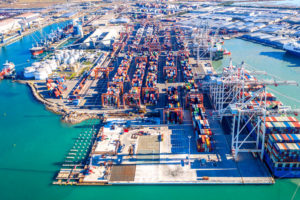
The port continues to benefit from features that are unique at national level. Seabed depths of 18 metres allow the berthing of the latest-generation container ships, up to 400 metres in length and with capacity exceeding 20,000 teu, while more than 5,100 metres of quays and around 1.5 million square metres of yards ensure high storage and handling capacity. Throughout 2025, dredging works continued, with an investment of five million euros, aimed at maintaining draughts along the entire port channel.
On the investment front, the year was marked by progress on quay electrification projects. The cold ironing programme, with total funding of around 70 million euros, was the subject of an operational agreement between the Ministero dei Trasporti (Ministry of Transport) and the Autorità di Sistema Portuale (Port System Authority) to ensure completion of the works following the reallocation of PNRR resources. The intervention will allow berthed vessels to draw power from the onshore electricity grid, with direct effects on reducing atmospheric and noise emissions within the port area. Overall, the MIT has allocated around 140 million euros to the port for electrification, infrastructure strengthening, intermodality and digitalisation projects.
A growing contribution to overall volumes is coming from the development of rail intermodality. In 2025, the port’s rail terminal operated to European standards, with 750-metre-long track sections and regular services to the main interports in central and northern Italy. The connection with the Nola interport increased from two trains a week to two trains a day, operated by Medlog and Medway of the MSC Group, serving manufacturing and distribution supply chains in Campania, Lazio and neighbouring regions. Overall, around 20 pairs of weekly trains are scheduled for Nola and Bologna, with further increases planned towards Bari and Verona. According to data from the Campania interport, in 2025 the number of trains handled rose by 49% and intermodal transport units by 54% compared with 2024.
Alongside container traffic, the ro-ro and automotive segment also consolidated. The Grimaldi Group, through Automar, strengthened dedicated rail services for vehicle movements between Gioia Tauro and Pontecagnano, with around ten trains scheduled per week, confirming the port’s role as a logistics platform for the automotive sector as well.
2025 was also a year of transition in port governance. At the end of July, Andrea Agostinelli’s mandate at the helm of the Autorità di Sistema Portuale dei Mari Tirreno Meridionale e Ionio (Port System Authority of the Southern Tyrrhenian and Ionian Seas) came to an end after almost ten years. From 12 November, the Ministero dei Trasporti (Ministry of Transport) appointed Paolo Piacenza as president, previously extraordinary commissioner and earlier secretary general of the Autorità di Sistema Portuale del Mar Ligure Occidentale (Port System Authority of the Western Ligurian Sea). On the operational side, October also marked the end of Antonio Davide Testi’s term as chief executive of Medcenter Container Terminal. From 1 January 2026, management was entrusted to a dual general management structure, with Carmine Crudo responsible for operations and Alberto Casali for administration, both representing the TIL group, controlled by MSC.
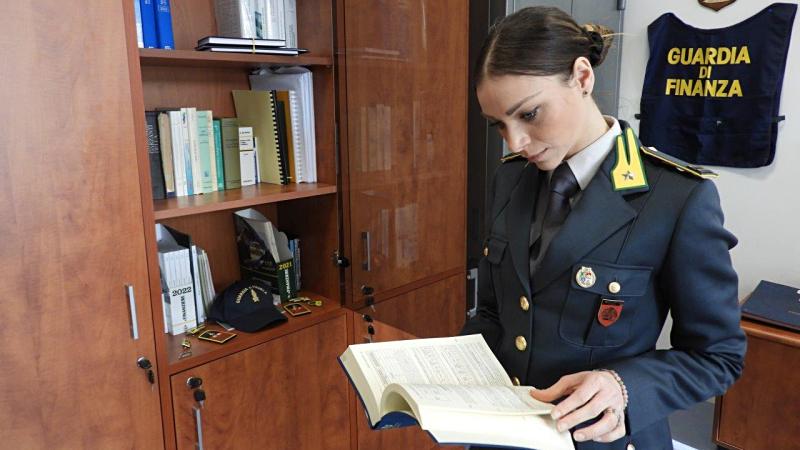
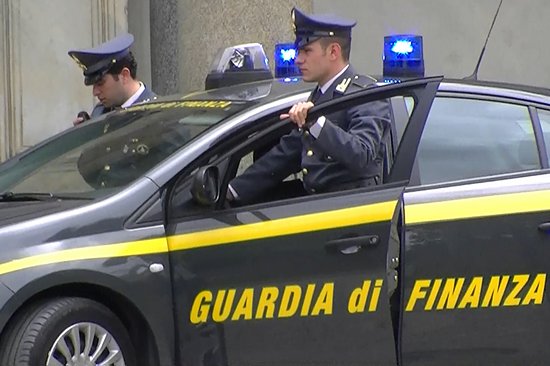
During the year, however, there was no shortage of critical issues external to the logistics cycle. Efforts to combat illicit trafficking led to the seizure of more than five tonnes of cocaine in 2025 alone, with an estimated value of around 650 million euros, following joint operations by the Guardia di Finanza and the Agenzia delle Dogane (Customs Agency) coordinated by the Procura di Palmi (Palmi Public Prosecutor’s Office). On the industrial relations front, on 19 October Filt-Cgil Calabria called a 24-hour strike by container terminal dockworkers as part of a national mobilisation, without structural effects on traffic continuity.
From an economic and financial perspective, the Port System Authority’s 2026 draft budget, presented in November 2025, forecasts revenues of around 25 million euros and expenditure exceeding 37 million euros, with the operating deficit covered by a projected surplus of more than 122 million euros accumulated in previous years. In employment terms, the port supports around 1,600 direct jobs and 4,000 indirect ones. In 2025, the process of transforming the Gioia Tauro Port Agency into a port company under Article 17 of Law 84/94 was also launched, with the absorption of around 100 workers still registered on the agency’s lists.
M.G.