






On 30 June 2025, the Italian Council of Ministers gave preliminary approval to the new interministerial decree on migratory flows, which regulates the legal entry of non-EU workers into Italy over the three-year period from 2026 to 2028. This is the second such decree under the Meloni government, following the one covering 2023–2025, and it increases the entry quotas from 450,000 to 497,550 across the 2026–2028 period. In 2026, 164,850 entries are foreseen, rising to 165,850 in 2027 and reaching 166,850 in 2028.
The measure aims to address the labour needs of the national economy, particularly in agriculture, tourism and transport, while introducing more selective mechanisms and preferential pathways for highly qualified workers. The distribution by work category shows a clear emphasis on seasonal work in the agricultural and tourism sectors, which together account for the largest share with a total of 267,000 entries over the three years.
The allocation of quotas shows that non-seasonal subordinate employment remains stable at 76,850 units per year, totalling 230,550 entries. This category covers strategic sectors such as freight transport, construction, tourism and hospitality, mechanical engineering and passenger transport by bus. The domestic and social care sector (housekeepers and caregivers) will see a gradual increase from 13,600 entries in 2026 to 14,200 in 2028, for a total of 41,800 entries.
In addition to raising the overall number of entries, the decree introduces procedural changes. While maintaining the controversial “click day” system, it envisages its gradual scaling down through preferential channels for highly skilled profiles. The text also encourages cooperation with countries actively engaged in combatting irregular immigration, allocating additional quotas to those states that promote information campaigns on the risks of migrant trafficking.
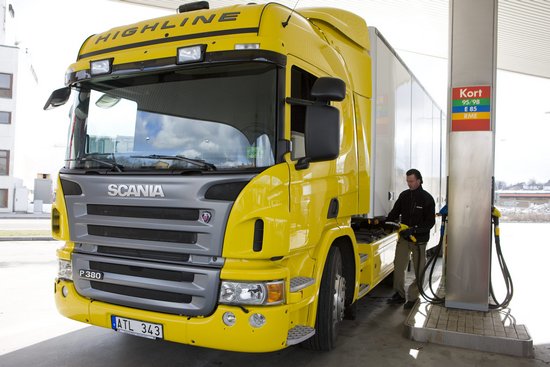
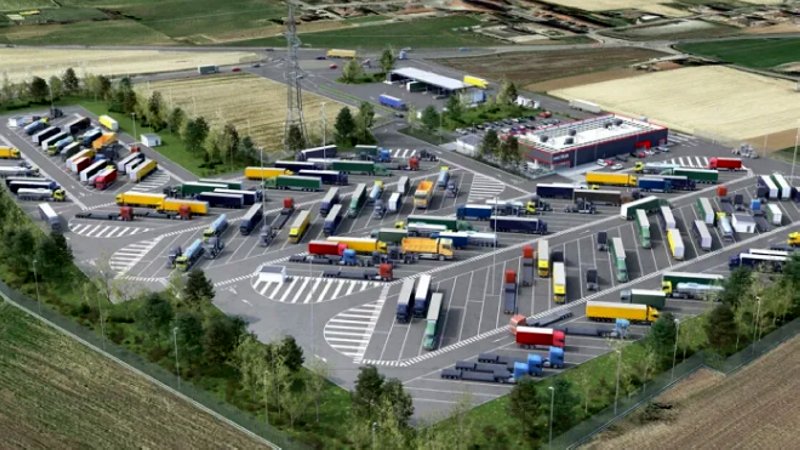
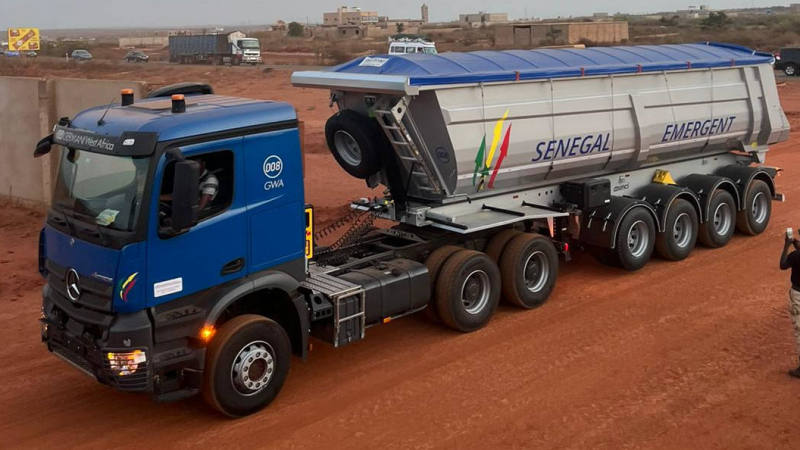
As for freight transport, the application procedures will determine whether there are changes to the requirements for migrants regarding high-category driving licences and the Driver Qualification Card. At present, Italy recognises such licences from only a limited number of countries, and the qualification card cannot be obtained outside the European Union. Without it, migrants cannot operate industrial vehicles. A 2025 ministerial circular allows the qualification to be obtained in Italy by showing the receipt for a residence permit application. However, this forces companies to support the workers financially for months without being able to deploy them, making the system economically unsustainable for most road haulage firms.