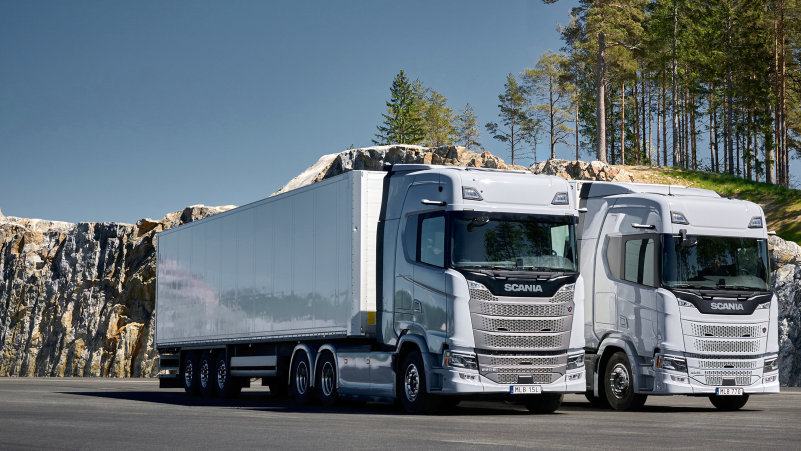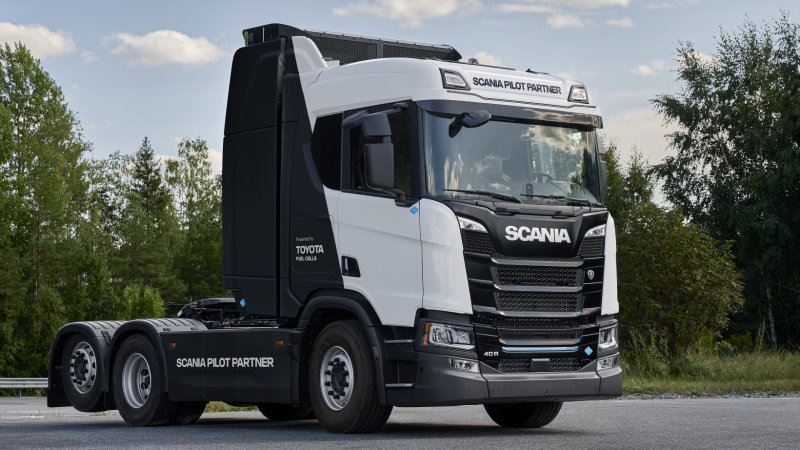

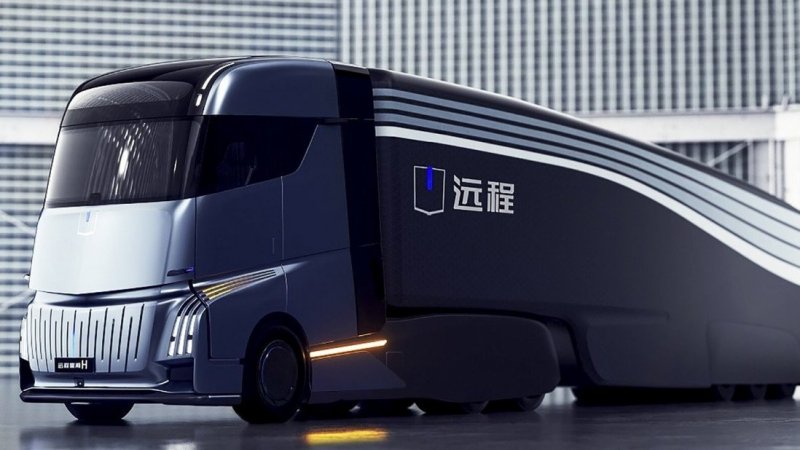





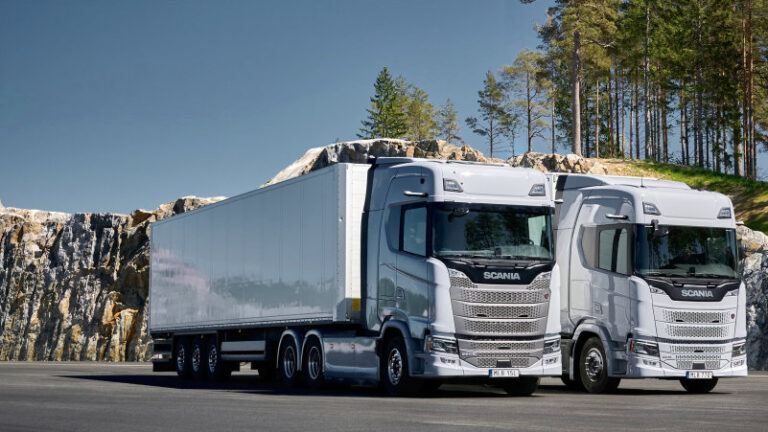
Scania arrived at the IAA 2026 press day in Hanover with major updates for its diesel and electric models. Of greatest interest to drivers is the new Dynamic cab, which the Swedish manufacturer says reflects its approach to truck development, based on continuous improvement. This involves a series of changes, including relatively small ones, that together deliver a better overall result rather than relying on a single major upgrade. The cab improvements focus on three areas: interior comfort, visibility and day-to-day vehicle operation. New interior features and revised lighting improve comfort, while digital rear-view mirrors enhance visibility and driver assistance functions support everyday operation.
Scania Dynamic features digital rear-view mirrors, comprising external cameras and two Full HD screens positioned on the driver and passenger sides. The view can be switched between standard, zoom and wide-angle modes depending on the situation. The screens also display adjustable vertical reference lines with measurement indicators. The camera lenses are positioned to protect them from dirt and feature a heating system to prevent condensation, ice and snow from forming.
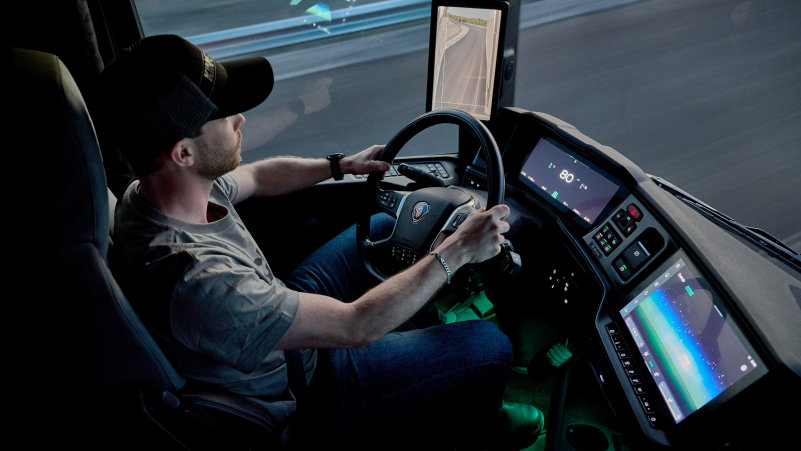
Inside the cab, a new colour scheme gives the interior what Scania describes as a “premium” appearance. Scania says the use of more recycled materials in the interior – with curtains made from 100% recycled material and wall and ceiling panels containing 70% recycled material – enables more efficient management of textile resources, while continuing efforts to further reduce environmental impact through even greater use of recovered materials. New fabrics for the beds, rear wall and ceiling, together with updated seat upholstery, help create a new interior environment.
The seat range has been updated to comply with new safety regulations on head restraints while also improving ergonomics and comfort. The optional 800 mm reclining bed provides a flexible resting position, with a backrest section that can be adjusted by up to 60 degrees. Interior lighting has also been enhanced with several levels of functionality, ranging from practical white light to “Ambient+” mode, which offers multiple fixed colours and lighting themes, including one inspired by the northern lights. This allows drivers to tailor the cab lighting to their needs, switching from practical working light to a more relaxing atmosphere during breaks. Other updates focus on smaller details, including a magnetic wireless charger delivering 15 W of charging power. It holds the smartphone in place while allowing air to circulate underneath, reducing heat build-up. A glove tray is located in the external storage compartment, where ventilation helps gloves dry efficiently and contributes to keeping the cab cleaner.
Among the on-board electronics, driver assistance functions – such as Safe Stop Assist, Forward Distance Alert and the vulnerable road user detection system – support the driver by making everyday tasks less stressful, while Speed Sign Cruise Control and Curve Speed Cruise Control help provide a smoother driving experience. These systems assist the driver without replacing their responsibility, providing greater control during more demanding manoeuvres. New lighting units also improve driving conditions, providing better visibility in low-light conditions through longer high-beam range, a wider and more powerful light beam, and improved visual comfort with dipped headlights. Automatic high-beam management provides optimum illumination without disturbing other road users.
]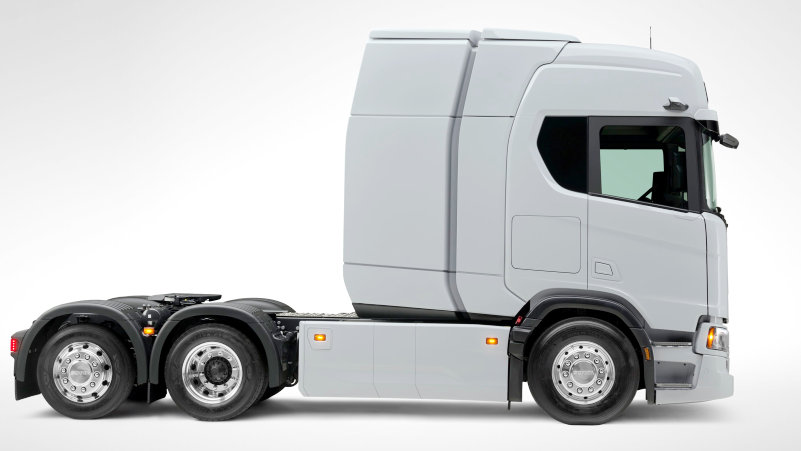
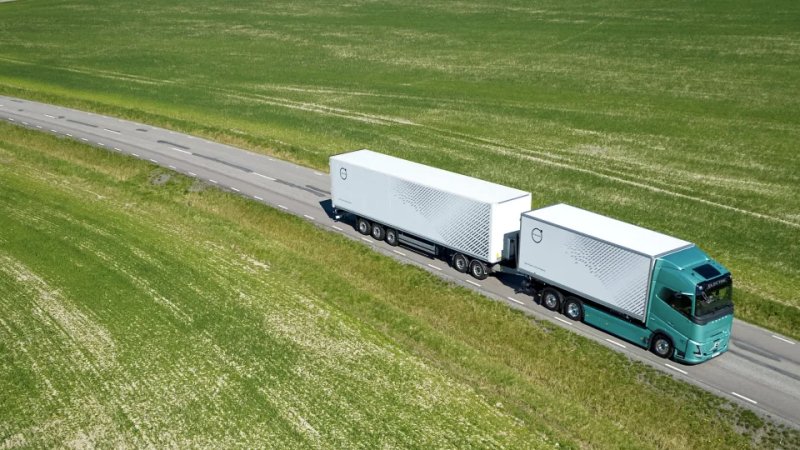
For electric powertrains, Scania is addressing one of today's key challenges: making battery-electric vehicles suitable for long-haul transport. The solution presented in Hanover combines three elements – greater installed battery capacity, Megawatt Charging System charging and vehicle configuration – to deliver a claimed range of up to 720 kilometres. Capacity is increased through additional battery packs installed behind the cab, supplementing those mounted on the chassis and beneath the cab itself. According to the manufacturer, two Mp20 packs mounted behind the cab add around 356 kWh of installed capacity. Combined with Scania's IVD (Increased Vehicle Dimension) front-end design, which allows the cab to be lengthened without compromising load capacity under the new EU rules, the behind-cab battery arrangement makes it possible to configure a 6x2/4 articulated truck while retaining maximum range, even when the vehicle's total length exceeds 16.5 metres. The new front-end design alone can reduce energy consumption by up to 3%, depending on specification and use, as aerodynamic drag has a greater impact on overall energy consumption in electric vehicles than in combustion-powered vehicles.
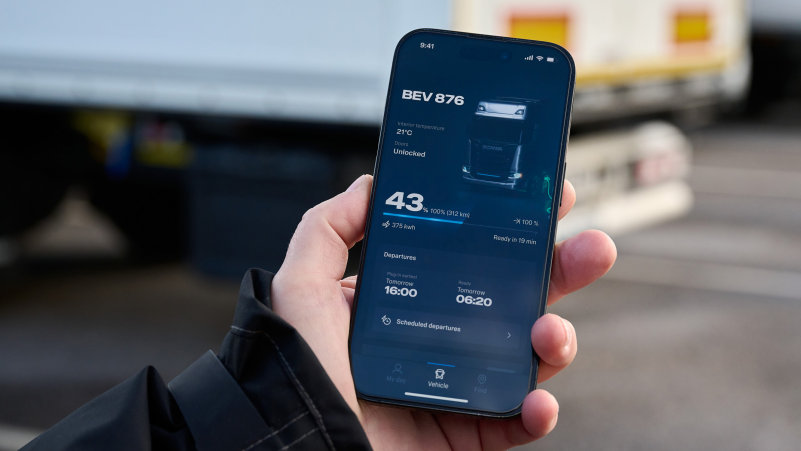
In the services segment, Scania is extending its Services 360 support programme to all models, whether diesel or electric. The modular offering includes maintenance planning, repair coverage, digital tools and a more predictable level of operational performance throughout the vehicle's lifecycle. Digital services are another area of development. ProDriver, available through the Scania Driver app, supports drivers with training modules, driving challenges based on real-world situations and a gamification approach designed to build more efficient driving habits over time. A study of 900 drivers, comparing their performance before and after using the programme, found fuel savings across all profiles analysed: up to 5% for drivers with the greatest scope for improvement, with further gains even among those who already had an efficient driving style. The fleet average was 3.1%. The Scania Driver app extends the experience beyond the cab by giving drivers remote access to vehicle status and selected control functions, while My Scania gives fleet managers an overview of their fleet and the Scania Fleet app provides office staff with a mobile overview of operations.
P.R.