







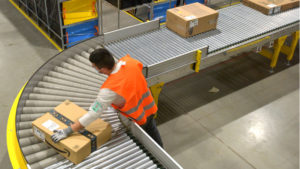
Joint inspections into the processing of employees’ personal data and the use of technological monitoring systems were launched in early February 2026 at Amazon’s logistics centres in Passo Corese, in the province of Rieti, and Castel San Giovanni, in the province of Piacenza. The activity was initiated by the Garante per la protezione dei dati personali (Italian Data Protection Authority) together with the Ispettorato Nazionale del Lavoro (National Labour Inspectorate) and directly concerns the use of digital tools, audiovisual equipment and video surveillance systems inside the warehouses.
The checks are part of a preliminary assessment phase and aim to evaluate compliance with rules on personal data protection and labour safeguards. In particular, attention is focused on how information relating to employees is collected, managed and used, as well as on compliance with the guarantees laid down in the Statuto dei Lavoratori (Workers’ Statute) with regard to remote monitoring. At present, no final outcomes or potential sanctions have been announced.
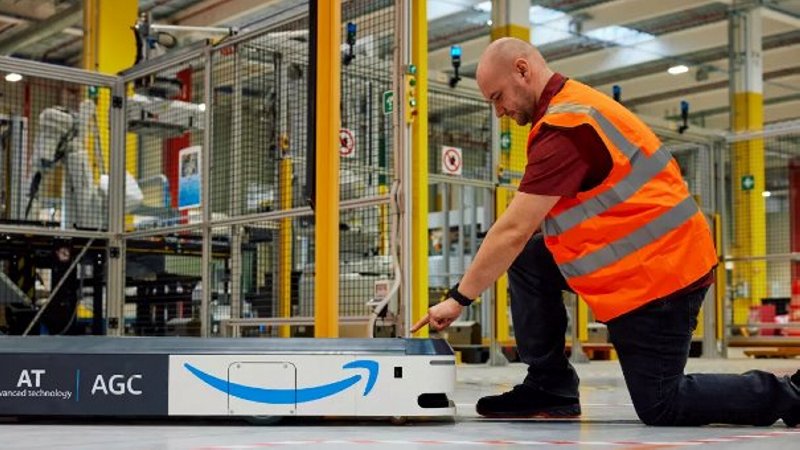
The initiative stems from technical assessments launched by the competent authorities, also following reports that have emerged in recent months on how control systems operate in highly automated warehouses. Some media accounts have highlighted the extensive use of cameras, activity analysis software, IT tools and safety devices capable of generating continuous data flows relating to workers’ movements and performance. These elements are among the main areas under scrutiny in the inspections.
From an operational standpoint, the inspection activity focuses on the balance between organisational requirements, plant security and the protection of individual rights. In logistics environments characterised by high technological complexity, the use of digital tools is an integral part of managing flows, coordinating operations and preventing risks. However, legislation requires that such tools do not translate into systematic monitoring of work activity without the conditions set out by law and the necessary procedural safeguards.
Specialised units of the Guardia di Finanza are also taking part in the inspections, bringing specific expertise in privacy protection and technological fraud. The involvement of multiple institutional actors reflects the intention to ensure a coordinated approach to areas that intersect labour law, data protection and the advanced use of digital technologies. The checks cover both physical installations and the IT and organisational processes governing the collection and processing of information.
Amazon has stated that it is cooperating with the authorities and believes its systems comply with the current regulatory framework. The company has also played down interpretations that describe pervasive monitoring of individual performance, reiterating that the technologies used respond to needs related to safety, operational efficiency and the protection of workers themselves. These aspects, too, are subject to verification by the authorities, which are assessing consistency between statements, organisational arrangements and the actual functioning of the systems.
The initiative fits into a broader context of scrutiny over the impact of digital technologies in the workplace, particularly in the logistics and warehousing sectors, where automation and algorithmic process management are increasingly widespread. The reference framework remains the Regolamento Europeo sulla Protezione dei Dati Personali (General Data Protection Regulation) and national provisions on remote monitoring, which require transparency, proportionality and purpose limitation in the processing of workers’ data.