




Array ( [0] => 8 [1] => 41 )

Podcast K44

Cronaca

  • Carabinieri scoprono 387 kg di hashish su camion a Capua

    Carabinieri scoprono 387 kg di hashish su camion a Capua

    Un autoarticolato con targa spagnola partito da Barcellona e diretto nel Casertano è stato fermato dai carabinieri al casello di Capua lungo l’A1. Nel semirimorchio, tra l’ortofrutta i militi hanno scoperto 387 kg di hashish confezionati in panetti.

Normativa

Mare

  • Alla deriva nel Canale di Sicilia il relitto dell’Arctic Metagaz

    Alla deriva nel Canale di Sicilia il relitto dell’Arctic Metagaz

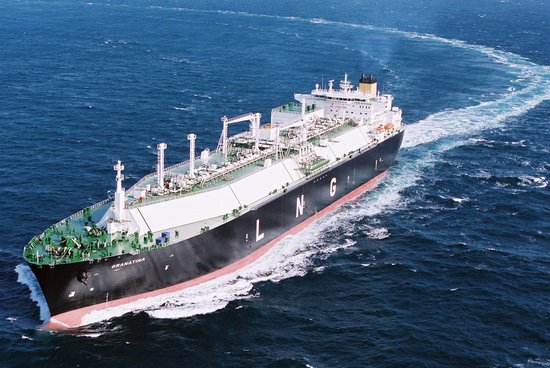
    La metaniera russa Arctic Metagaz, parte della cosiddetta flotta ombra, è stata colpita da esplosioni e da un incendio tra Malta e la Libia mentre trasportava oltre 60 mila tonnellate di Gnl. Il relitto, senza equipaggio, resta un potenziale rischio ambientale e per la navigazione nel Canale di Sicilia.

Autotrasporto

  • Nicolosi cresce nel trasporto frigo con Invoys

    Nicolosi cresce nel trasporto frigo con Invoys

    Il gruppo catanese Nicolosi Trasporti acquisisce il ramo trasporti di Invoys Logistics a Parma, rafforzando le attività nel trasporto refrigerato e nella distribuzione alimentare. L’operazione s’inserisce in una strategia di crescita costruita negli ultimi anni tra hub logistici in Sicilia, rotte internazionali e nuovi assetti nel Centro-Nord.

    Four scenarios for container shipping amid the Red Sea crisis

    The Houthis have been attacking maritime traffic between the Arabian Sea and the Red Sea for over a year, and the intensifying conflicts in Gaza and Lebanon do not signal an improvement for container shipping. Consequently, most container ships will continue to avoid the Suez Canal, opting instead to circumnavigate Africa, which increases the travel time between Asia and Europe by about ten days, negatively affecting operational costs and delivery punctuality.

    How might the Red Sea crisis evolve? Boston Consulting Group attempts to answer this question in a study titled "What's Next for Container Shipping in the Red Sea Crisis," which presents four possible scenarios: a rapid end to the attacks by 2024, a military escalation with Western intervention, prolonged instability until 2026, and finally, a total escalation involving the entire Arabian Peninsula. Each of these scenarios carries different implications for the sector, from the potential normalization of shipping routes to the need for long-term diversification of trade routes.

    The first scenario envisions the Houthi attacks subsiding by the end of 2024, thanks to a combination of sporadic responses from Western forces, the depletion of Houthi resources, and potential diplomatic developments leading to a cessation of hostilities in the region. If this scenario unfolds, maritime traffic through the Red Sea would gradually resume, though normalization of operations would still take time. Shipping companies would face months of congestion at ports as operations adjust to changes in ship arrival times. Full efficiency would only return after a long adjustment period, and transportation costs could remain elevated until the original routes are fully restored.

    In the second scenario, Houthi attacks escalate until Western forces, particularly the United States and the United Kingdom, decide to intervene with significant military action, ending the crisis in early 2025. This escalation would lead to a period of intense instability, followed by gradual normalization by the end of 2025. Even if the crisis ends, shipping companies may choose to diversify their routes to mitigate future risks linked to conflict situations. This could result in a moderate shift toward alternative trade corridors, such as the India-Middle East-Europe corridor or the Iraq-Turkey route, though these would require additional investments and infrastructure to become viable in the long term.

    The third scenario envisions a decrease in attack intensity but continued instability until 2026, with no unified response from Western and regional allies. The crisis would remain contained within the Red Sea, but the lack of long-term security would make the situation unsustainable for many in the industry. Shipping companies would have to operate with high costs and diverted routes, leading to aggregated economic losses for the region. This scenario could further push trade toward other corridors, but alternative options would remain limited due to infrastructural constraints and operational challenges. Medium-term consequences would include reduced commercial activity in the Red Sea and increased pressure on ports along other routes, such as those in India and Sri Lanka, which would face higher traffic volumes.

    The fourth and final scenario is the worst-case outcome, where the attacks escalate to involve the entire Arabian Peninsula in a large-scale conflict. In this case, the Red Sea would become inaccessible for commercial shipping, and all maritime traffic would be diverted around the Cape of Good Hope. Shipping rates would rise further, resulting in significant and prolonged economic impacts for both the region and global trade. The closure of the Bab el-Mandeb Strait would lead to a loss of the Red Sea's relevance as a strategic commercial hub, with trade shifting toward alternative routes and a consequent reorganization of global logistics. This scenario would also see a decline in shipping demand from the Far East to Europe, with an estimated 1% reduction in global GDP. Ports in the Arabian Peninsula, such as those in Saudi Arabia, would lose their role as transit hubs, while alternative ports in other regions would gain prominence.

    The analysis also highlights that shipping companies have already exhausted short-term strategies, such as redeploying vessels and negotiating alliances to share costs. Companies have tried to improve resource utilization by increasing sailing speeds and reducing port layover times, but these measures have limited effectiveness and come with additional costs. The authors argue that the industry will need to adapt to a global environment characterized by greater geopolitical instability, investing in rapid response capabilities and resilience.

    This means not only being ready to divert routes or increase capacity in response to sudden crises but also building more robust and flexible logistics networks. In particular, the report suggests following the example of commodity operators, who have developed strategies to operate in volatile regions while maintaining long-term profitability. These strategies include using smaller, agile fleets, diversifying suppliers, and forming local partnerships to improve security and operational continuity.

    Beyond operational strategies, the document emphasizes the importance of a broader approach to resilience that also includes financial and technological dimensions. Investments in new technologies, such as port process automation and the use of real-time data to optimize routes, could represent a significant competitive advantage during a crisis. The use of drones and advanced control systems to ensure the security of maritime routes is another example of how technological innovation can help the industry better manage threats. Shipping companies should also consider more flexible insurance options that cover specific risks related to conflicts and geopolitical instability, providing better protection for their activities.


    © TrasportoEuropa - Riproduzione riservata - Foto di repertorio
    Segnalazioni, informazioni, comunicati, nonché rettifiche o precisazioni sugli articoli pubblicati vanno inviate a: redazione@trasportoeuropa.it


      Puoi commentare questo articolo nella pagina Facebook di TrasportoEuropa

      bottone newsletter piccolo Vuoi rimanere aggiornato sulle ultime novità sul trasporto e la logistica e non perderti neanche una notizia di TrasportoEuropa? Iscriviti alla nostra Newsletter con l'elenco ed i link di tutti gli articoli pubblicati nei giorni precedenti l'invio. Gratuita e NO SPAM!



    CONTENUTI SPONSORIZZATI


Videocast K44

Aereo

  • Col settimo B777F Msc Air Cargo avvia voli a Roma

    Col settimo B777F Msc Air Cargo avvia voli a Roma

    Msc Air Cargo riceve il Boeing 777F “Castor”, terzo aereo cargo registrato in Italia e settimo della flotta. Il velivolo rafforza la rete del vettore e prepara l’avvio di collegamenti cargo intercontinentali da Roma Fiumicino verso Hong Kong, Shanghai Pudong ed Ezhou Huahu.

Ferrovia

  • Cantieri e geopolitica non hanno fermato Hupac nel 2025

    Cantieri e geopolitica non hanno fermato Hupac nel 2025

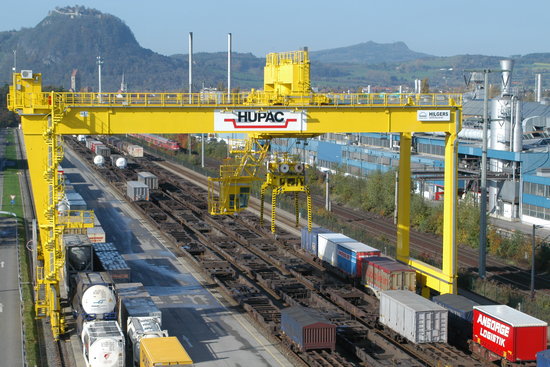
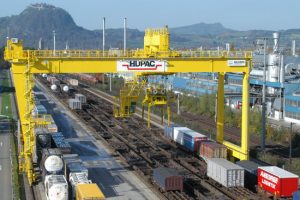
    Nel 2025 Hupac ha trasportato circa 975mila spedizioni nel trasporto combinato strada-rotaia e nell’intermodalità marittima, con un aumento del 4,3%. La crescita è avvenuta in un contesto infrastrutturale complesso lungo il corridoio Reno-Alpi.

Persone

  • Torello perde il fondatore Nicola

    Torello perde il fondatore Nicola

    La mattina del 5 marzo 2026, la società di trasporto campana Torello ha annunciato la morte del fondatore Nicola Torello. Ha trasformato un’impresa individuale in una multinazionale europea.
Kögel presenta in Italia un semirimorchio per container leggero

TECNICA

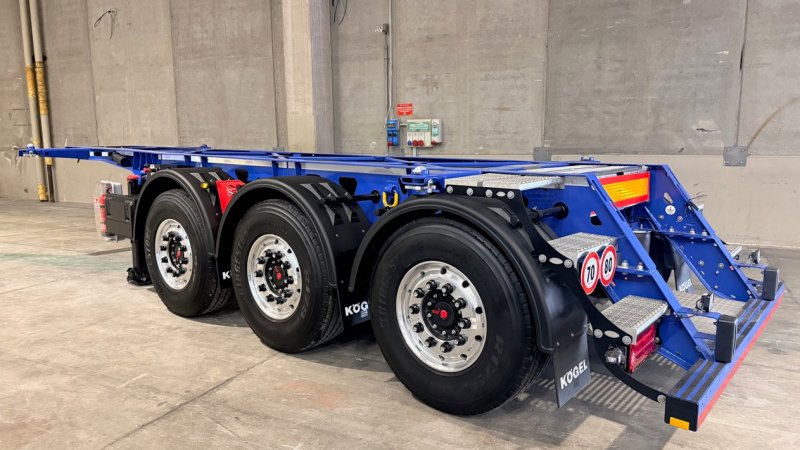
Kögel presenta in Italia un semirimorchio per container leggero
Multitrax presenta un semirimorchio per container separabile

TECNICA

Multitrax presenta un semirimorchio per container separabile
Geotab presenta la dash cam GO Focus Pro con IA

TECNICA

Geotab presenta la dash cam GO Focus Pro con IA
Viberti presenta Evo, semirimorchio centinato competitivo

TECNICA

Viberti presenta Evo, semirimorchio centinato competitivo
Camion ad accesso laterale integrale per la distribuzione

TECNICA

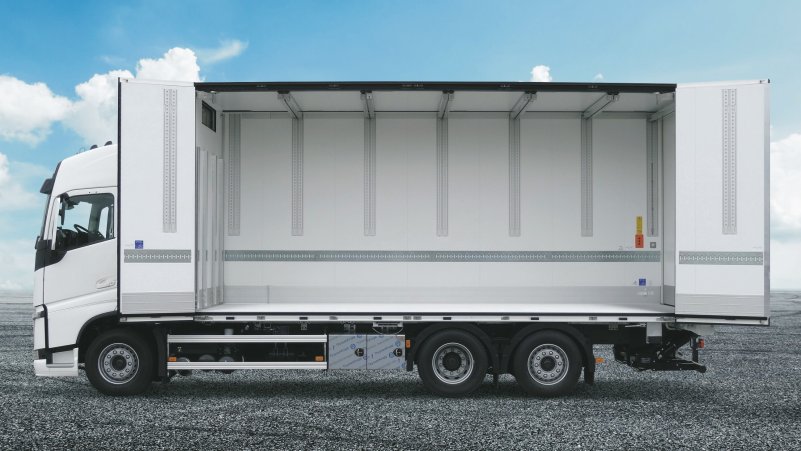
Camion ad accesso laterale integrale per la distribuzione
previous arrow
next arrow
Il Governo rinvia la tassa sui piccoli pacchi

LOGISTICA

Il Governo rinvia la tassa sui piccoli pacchi
Confisca definitiva per imprenditore della logistica

LOGISTICA

Confisca definitiva per imprenditore della logistica
Come lo spedizioniere può affrontare una crisi geopolitica

LOGISTICA

Come lo spedizioniere può affrontare una crisi geopolitica
Raben Italy rafforza hub logistico Bologna

LOGISTICA

Raben Italy rafforza hub logistico Bologna
Confetra ricorre al Tar contro la tassa sui pacchi

LOGISTICA

Confetra ricorre al Tar contro la tassa sui pacchi
previous arrow
next arrow
Usa toglie l’embargo sul petrolio russo e Iran apre a quello per la Cina

ENERGIE

Usa toglie l’embargo sul petrolio russo e Iran apre a quello per la Cina
Il mondo potrà affrontare la più grave crisi energetica

ENERGIE

Il mondo potrà affrontare la più grave crisi energetica
Anche lo Hvo segue l’aumento di prezzo del gasolio

ENERGIE

Anche lo Hvo segue l’aumento di prezzo del gasolio
Aumentano le gasiere dirottate dall’Europa all’Asia

ENERGIE

Aumentano le gasiere dirottate dall’Europa all’Asia
La guerra all’Iran spinge in alto il prezzo di gasolio e Gnl

ENERGIE

La guerra all’Iran spinge in alto il prezzo di gasolio e Gnl
previous arrow
next arrow
Trans.eu cresce in Italia con la borsa carichi relazionale

SERVIZI

Trans.eu cresce in Italia con la borsa carichi relazionale
L’evoluzione della borsa carichi autotrasporto è relazionale

SERVIZI

L’evoluzione della borsa carichi autotrasporto è relazionale
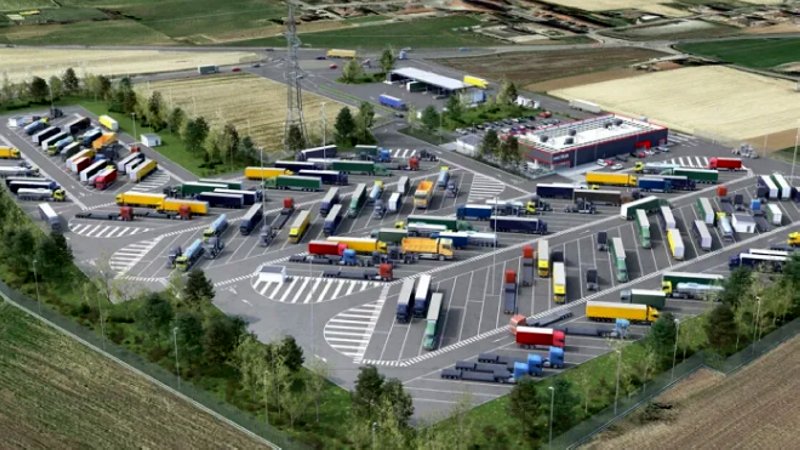
Padrosa realizzerà un parcheggio per camion ad Alessandria

SERVIZI

Padrosa realizzerà un parcheggio per camion ad Alessandria
Leviahub e Pionira accelerano sull’adozione dell’eCmr

SERVIZI

Leviahub e Pionira accelerano sull’adozione dell’eCmr
Trans.eu avvia il pagamento sicuro per l’autotrasporto europeo

SERVIZI

Trans.eu avvia il pagamento sicuro per l’autotrasporto europeo
Sanilog rinnova nel 2026 il piano sanitario per lavoratori della logistica

SERVIZI

Sanilog rinnova nel 2026 il piano sanitario per lavoratori della logistica
L’IA si sta sempre più integrando nel trasporto

SERVIZI

L’IA si sta sempre più integrando nel trasporto
Scania amplia la rete di assistenza nel Lazio

SERVIZI

Scania amplia la rete di assistenza nel Lazio
Nuovi contributi per cibersicurezza alle Pmi e autonomi

SERVIZI

Nuovi contributi per cibersicurezza alle Pmi e autonomi
Dkv Mobility presenta un nuovo software per gestione trasporti

SERVIZI

Dkv Mobility presenta un nuovo software per gestione trasporti
Forto nomina Matteo Caiti Country Manager Italia

SERVIZI

Forto nomina Matteo Caiti Country Manager Italia
Nuove tecnologie Geotab per il trasporto refrigerato

SERVIZI

Nuove tecnologie Geotab per il trasporto refrigerato
Sanzione antitrust di 5 milioni sul noleggio veicoli per Ald

SERVIZI

Sanzione antitrust di 5 milioni sul noleggio veicoli per Ald
Circle Group potenzia software per porti e interporti

SERVIZI

Circle Group potenzia software per porti e interporti
Scania realizza una struttura per i camion a Milano

SERVIZI

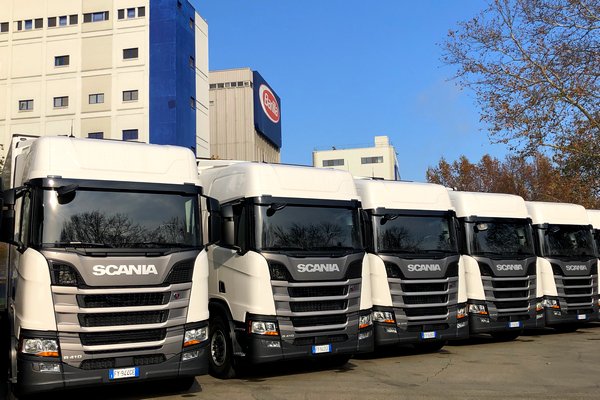
Scania realizza una struttura per i camion a Milano
previous arrow
next arrow