




On 31 July 2025, Dsv released its Q2 results, eagerly anticipated by the market since they reflect the first consolidated contribution of Schenker, whose acquisition was finalised on 30 April and integrated from 1 May. This drove the group’s quarterly revenue to nearly 62 billion Danish kroner (approximately 8.3 billion euros) and pushed operating profit (EBIT before special items) to 4.7 billion DKK (630 million euros), up from 4.1 billion in the same period of 2024 (550 million euros). Of this total, a notable 925 million DKK (125 million euros) stemmed directly from Schenker’s contribution. Chief executive Jens H. Lund described the quarter as “extraordinary”, highlighting the strategic significance of the transaction and the speed with which the integration process had begun, now entrusted to a newly appointed global leadership team.
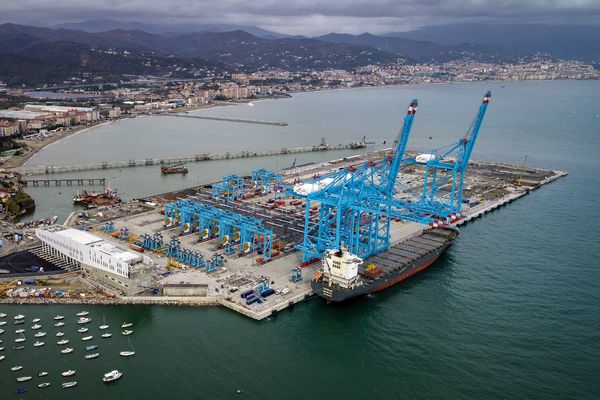
Within this picture, the Air & Sea division continued to drive profitability, with an EBIT of 3.46 billion DKK (around 460 million euros) and organic growth – excluding the Schenker effect – close to 10 per cent. Sea freight volumes rose, while air traffic experienced a slight decline, attributed to the streamlining of less profitable routes and weak demand in the automotive and consumer sectors. Nevertheless, the commercial pipeline remains solid, particularly in the technology vertical, which showed strong momentum.
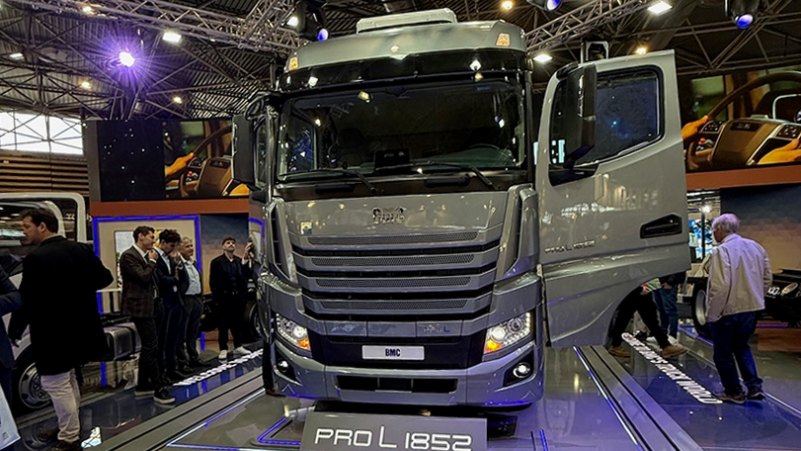
The situation is more complex in road transport, where the Road division, despite benefiting from Schenker’s inclusion, recorded a decline in EBIT to 520 million DKK (70 million euros). On an organic basis, the margin shrank by nearly 30 per cent compared to the previous year, driven by sluggish activity in domestic groupage services across Europe and the United States. Competitive pressure and weak demand also weighed on pricing mix, prompting Dsv to intensify its focus on cost containment.
Contract logistics, on the other hand, closed the quarter with an EBIT of 724 million DKK (around 96 million euros), also bolstered by Schenker’s contribution. Organically, there was a slight year-on-year drop in gross profit value, but the overall gross margin rose to 46.1 per cent, thanks to the business mix and the inclusion of Schenker.
The acquisition of Schenker, costing around 86.8 billion DKK (approximately 11.6 billion euros) in cash (with a net outlay of 75.8 billion DKK, or about 10.1 billion euros), was financed through new liquidity and short-term debt. The deal led to a marked increase in financial leverage, with gearing rising to 2.7x, though it did not undermine the group’s solidity, as Dsv generated nearly 4 billion DKK (roughly 530 million euros) in adjusted free cash flow during the quarter, with a high cash-to-EBIT conversion rate.
In its first contribution to Dsv’s accounts, Schenker delivered 22.3 billion DKK in revenue (about 3 billion euros) and an operating profit of 925 million (125 million euros) in just two months. Dsv expects to realise annual synergies of approximately 9 billion DKK (1.2 billion euros) by 2028, against estimated integration costs of 11 billion (1.47 billion euros), most of which will be incurred between 2026 and 2027. The integration will proceed gradually, with a target to complete 50 per cent of the process by the end of 2026 and 75 per cent by the end of the following year. The initial consolidation efforts will begin in the third quarter, starting with the Air & Sea segment, deemed the most ready for operational alignment.
In Germany, where Schenker has a long-established and structured presence, Dsv has already signed a framework agreement with works councils, a necessary step to begin harmonising processes and local networks. The challenge now lies in turning this expansion in scale into industrial efficiency, without eroding value or compromising service quality.
The full-year 2025 guidance remains unchanged, with EBIT before special items expected between 19.5 and 21.5 billion DKK (2.6 to 2.9 billion euros). Already this year, Dsv anticipates achieving between 500 and 600 million (66 to 80 million euros) in operational synergies. However, the group cautions that the macroeconomic and geopolitical environment remains unstable, marked by potential trade tensions, disrupted logistics flows – including in the Red Sea corridor – and weak demand in some key sectors.