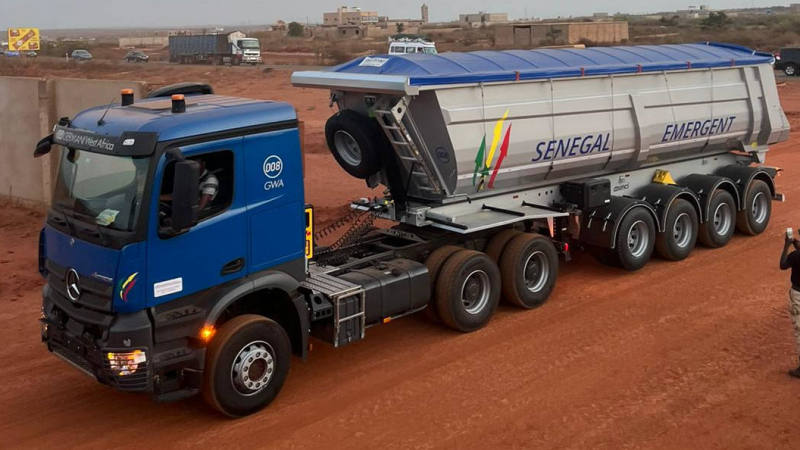






The market for industrial towed vehicles is once again showing strong growth. According to an analysis by the Unrae Centre for Studies and Statistics, based on registration data provided by the Ministry of Transport, April 2025 saw a 26.1% increase in registrations of trailers and semi-trailers with a gross weight above 3.5 tonnes compared to the same month in 2024. The number of registered units rose from 1,115 to 1,406, marking a significant rebound for the sector.
This positive result is also reflected in the figures for the first four months of the year. From January to April, total registrations reached 4,814 units, up 9.1% from the 4,414 recorded during the same period in the previous year. While this indicates signs of dynamism, it does not erase the structural challenges that have long plagued the sector.
Unrae has welcomed the strong performance seen in April, but cautions against interpreting these figures as evidence of a lasting trend reversal. Michele Mastagni, coordinator of the Unrae Group for Trailers, Semi-trailers and Bodybuilders, pointed out that companies operating in the sector are still facing a complex situation, exacerbated by a lack of attention at both European and national levels, and by the uncertainties stemming from the current geopolitical and economic context.
There has also been criticism of the Action Plan for the automotive sector recently presented by the European Commission, which is deemed insufficient and disconnected from the real needs of the industry. In particular, Unrae laments the absence of greater regulatory flexibility concerning emission targets for heavy vehicles and trailers, which form an integral part of the logistics chain.
At the national level, the announcement by Transport Minister Matteo Salvini, who promised to allocate 600 million euros in support of the sector, has been met with cautious optimism. While Unrae appreciates the intention, it notes that no concrete measures have yet followed. Mastagni hopes that the commitments made will soon be translated into effective actions, with a significant share of the funds directed towards modernising the vehicle fleet to improve both safety and sustainability.
The association is also calling for disincentives for the most outdated vehicles, through fiscal and regulatory measures such as motorway tolls, ownership tax, circulation limits and load capacities. At the same time, Unrae is urging for an update to the regulatory framework to allow articulated lorries up to 18.75 metres in length to circulate, as is already the case in other European countries. Current restrictions, it argues, are an unjustified barrier to efficiency and innovation in road freight transport.