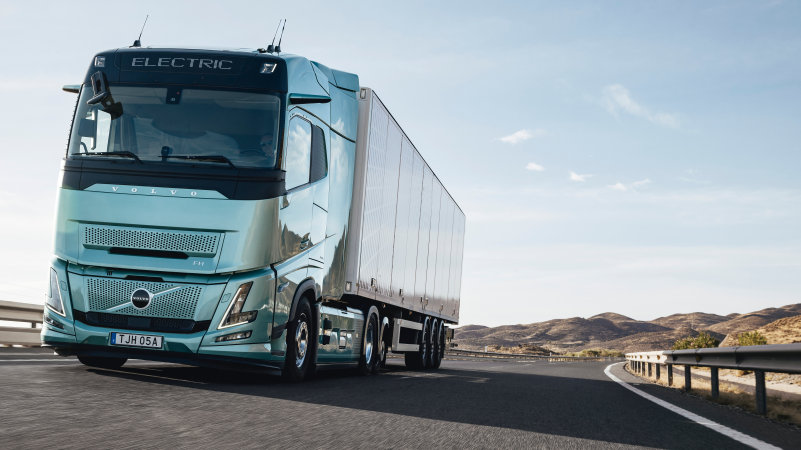







The Italian Friuli Venezia Giulia Region has approved the criteria for granting financial aid to build equipped rest areas for industrial vehicles, as part of Regional Law 12/2025. The initiative, presented by the Regional Councillor for Infrastructure, Cristina Amirante, provides for a regional contribution covering 100% of eligible expenses, up to a maximum of €900,000 per project, with an initial allocation of €1 million for 2025. The operational call will be published within 90 days of the law’s entry into force.
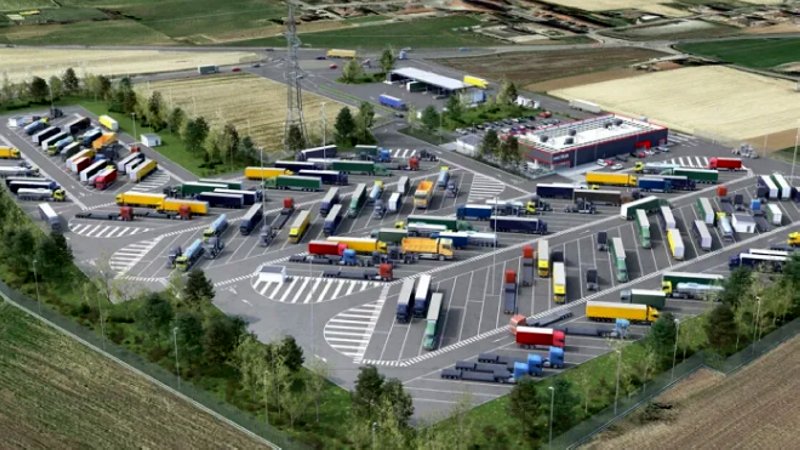
The measure, which is both infrastructural and environmental in nature, aims to improve safety, service quality and the management of parking along the main freight corridors, responding to a growing demand for dedicated rest and vehicle storage areas. The projects financed must comply with the minimum European standards set out in EU Regulation 2022/1012, obtaining at least a “bronze” level certification. Requirements include toilets and showers, dining facilities, video surveillance systems and emergency procedures, in line with the European classification of secure parking areas.
According to the Region’s official website, funding priority will be given to municipalities and public bodies that create accessible, guarded rest areas equipped with quality services. The objective is to align the regional network with European standards, helping to reduce irregular parking and to redevelop urban spaces, particularly in logistics interchange nodes.
Recent examples, such as the Ronchis rest area inaugurated in December 2024 with co-financing from the Connecting Europe Facility programme, illustrate the direction the Region is taking. The project involved the Italian Road Hauliers’ Federation (FAI) of Friuli Venezia Giulia and includes guarded parking spaces, dining areas, and hygiene and maintenance services, all in compliance with European specifications.
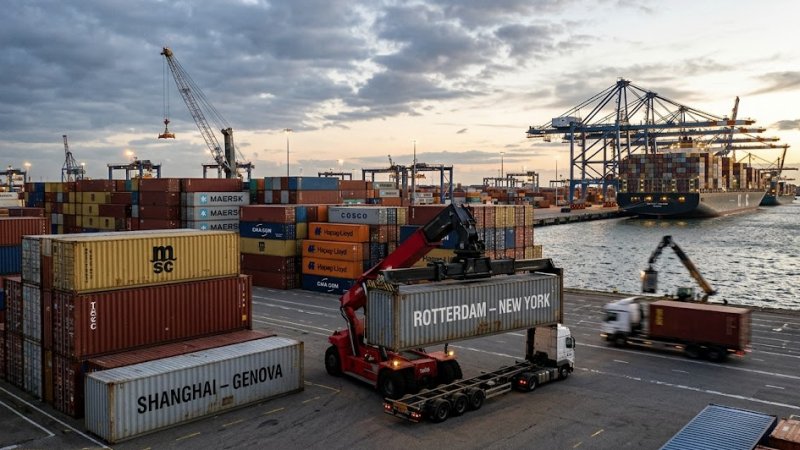
The regional programme also fits into a broader plan to reorganise logistics infrastructure, which includes strengthening connections with the interports of Trieste, Cervignano, Gorizia and Pordenone, as well as cooperation with the Autostrade Alto Adriatico concessionaire. In this context, planning rest areas is seen as an integral part of the strategy for intermodal transport and for connecting freight flows between ports, industrial zones and cross-border networks.