







Cargo theft and robbery remain a systemic threat to the global supply chain, and the latest data suggests the situation is worsening. According to the joint TT Club/Bsi report published in April 2025, crimes against goods in transit increased across all major countries last year. This trend is driven by inflation, widening inequality, and the growing digitalisation of operational procedures. Road-based theft continues to dominate, accounting for 76% of reported incidents, with lorries being the most frequently targeted mode of transport. However, the real shift lies in the rise of so-called “strategic thefts”: criminal schemes involving fake identities, cloned corporate emails, counterfeit shipping documents and even deepfake delivery notes.
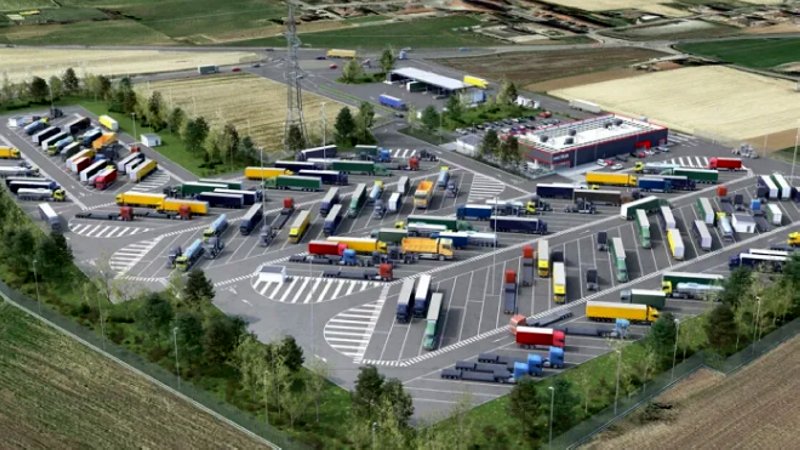
The United States recorded a significant share of such cases, with 18% linked to impersonation attempts, often enabled by a lack of thorough vetting of supply chain partners. Yet the threat extends far beyond North America. In Europe, insecure parking remains a structural vulnerability, with numerous incidents occurring at terminals and along major intermodal corridors. The most commonly stolen cargoes are food products (22% globally), agricultural goods (10%) and electronics (9%)—all of which are easily sold through illicit markets.
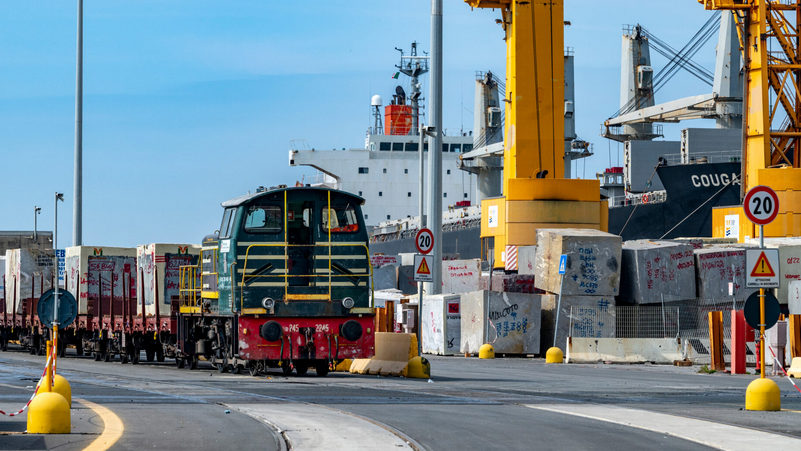
Geographically, the report highlights Brazil as the epicentre of theft in South America, accounting for 68% of the region’s cases, often involving armed hijackings and the disabling of GPS tracking via jammers. In India, a surge in “pilferage”—the systematic looting of part of the load by complicit drivers or warehouse workers—has been reported. Meanwhile, in the United States, the rise in rail freight theft is cause for concern, doubling from 3% to 6% within a year, with organised gangs exploiting scheduled stops and surveillance blind spots.
The document also emphasises how artificial intelligence and the spread of generative software are lowering technological barriers for criminal groups, allowing the creation of fraudulent emails and highly realistic fake documents. In many cases, targeted companies had overlooked early warning signs such as anonymous email addresses, mismatched bank details, unusually favourable terms or suspicious supplier data changes.
TT Club and Bsi stress the importance of enhanced due diligence on carriers, the adoption of certified parking sites, data segmentation on a “need-to-know” basis, and the deployment of active tracking technologies. Staff training is also vital, enabling personnel to identify suspicious emails, fake patrols, and document fraud techniques. On high-risk routes—particularly those involving electronics, metals or pharmaceuticals—the use of smart seals, volumetric sensors and tamper-proof protocols is strongly recommended.
According to the report’s authors, the challenge for 2025 is twofold: physically safeguarding cargo during stops and digitally securing the information flows that govern deliveries. In an increasingly connected world, theft is evolving too. Locking the doors is no longer enough—securing the data protocols is just as essential.